
Introduction to Meditation for a Distracted Home Environment
Living in a busy home environment often means dealing with a variety of distractions—from household chores to the constant buzz of notifications. These interruptions can disrupt your focus and increase stress levels, making it challenging to find moments of calm. Meditation offers a practical and effective way to regain control over your attention and create a peaceful mental space, even amid the chaos. In this article, we will explore step-by-step guided meditation techniques designed specifically to reduce distractions at home and help you cultivate a centered mindset.
Understanding Distractions: Why They Persist at Home
Common Sources of Household Distractions
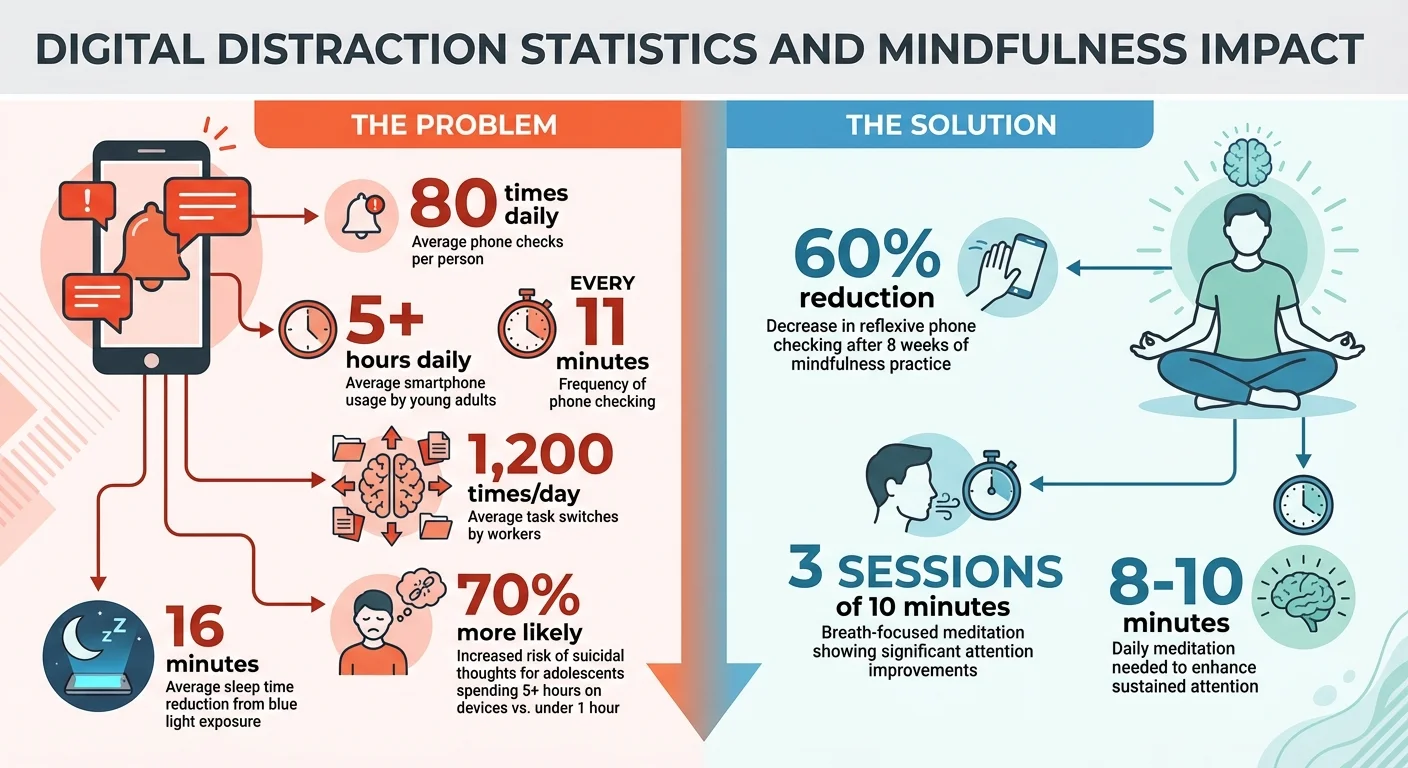
Distractions at home come in many forms, often more subtle than those in a public or work setting. Children’s voices, household appliances running, or family members moving about are frequent interruptions. Additionally, the omnipresence of digital devices—phones, tablets, and TVs—adds layers of distraction. Unlike an office, homes are spaces of comfort but also unpredictability, where various needs and activities overlap, making it harder to maintain sustained concentration.
The Impact of Distractions on Mental Health and Productivity
When distractions accumulate, they can negatively affect both mental health and productivity. Constant interruptions increase cognitive load, leading to fatigue and reduced ability to focus. Over time, this can result in feelings of frustration, stress, and even anxiety. Productivity suffers as tasks take longer to complete, and the overall quality of work may decline. Meditation can help break this cycle by training the mind to recognize distractions without being overwhelmed by them.
Preparing Your Space and Mind for Meditation
Creating a Distraction-Free Meditation Area
Before beginning your meditation practice, it’s important to set up a dedicated space that minimizes potential distractions. Choose a quiet corner or room where noise is minimal and you feel comfortable. Remove clutter and turn off electronic devices or silence notifications to create a calming environment. Adding elements such as cushions, soft lighting, or calming scents can further enhance a sense of tranquility and readiness for meditation.
Setting Intentions Before You Begin
Setting a clear intention helps direct your meditation practice with purpose. Before you start, take a moment to articulate why you are meditating—whether it’s to reduce distraction, cultivate calm, or increase focus. Intentions anchor your mind and provide motivation, making it easier to stay committed during the session and in your broader daily routine.
Step-by-Step Guided Meditation Techniques
Technique 1: Mindful Breathing to Anchor Your Focus
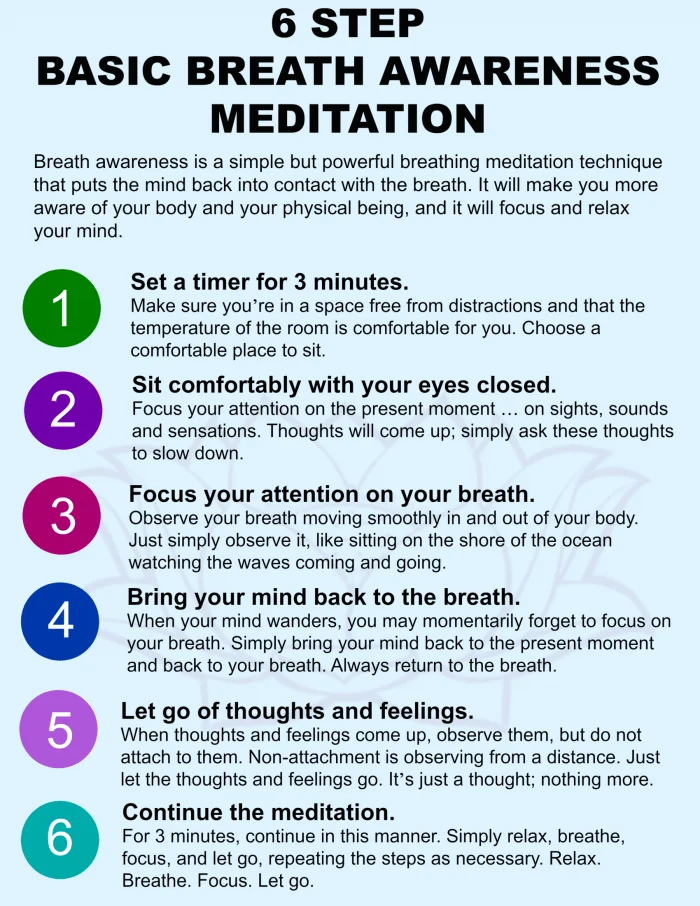
Begin your meditation by focusing on your breath. Sit comfortably and close your eyes. Take slow, deep breaths, noticing the sensation of air entering and leaving your body. Whenever your mind wanders, gently guide your attention back to the rhythm of your breath. This simple practice cultivates presence and helps anchor your focus, making it easier to tune out external distractions.
Technique 2: Body Scan for Physical Awareness
Next, perform a body scan to enhance awareness of physical sensations. Starting from your feet, slowly move your attention upward, observing any tension, discomfort, or relaxation in each body part. This technique grounds you in the present moment and helps identify areas of stress caused by distractions, allowing you to consciously release them and deepen your meditation experience.
Technique 3: Visualization to Evoke Calm and Concentration
Visualization is a powerful tool to create mental calmness. Imagine yourself in a serene environment, such as a quiet beach or peaceful forest. Envision details vividly—sounds, colors, and scents. This mental imagery can replace distracting thoughts with soothing images, enhancing your ability to concentrate despite noises or interruptions at home.
Technique 4: Mantra Repetition for Mental Clarity
Using a mantra—a word or phrase repeated silently—can sharpen your mental focus. Pick a simple word like “calm” or “peace.” As you breathe slowly, repeat your chosen mantra internally, synchronizing it with your breath. This repetition serves as a mental anchor, reducing the impact of intrusive thoughts and stabilizing your awareness.
Incorporating Meditation into Your Daily Routine
Best Times to Practice Meditation at Home
Finding the right time to meditate is essential for consistency. Early mornings, before the household becomes busy, offer quiet and mental freshness. Alternatively, late evenings can help unwind the day’s stresses. You may also benefit from short sessions during lunch breaks or whenever tension rises. Scheduling regular meditation times builds habit and ensures you give yourself dedicated moments of peace in a distracting home environment.
Using Technology to Enhance Your Meditation Practice
Although technology can cause distractions, it can also support meditation. Guided meditation apps offer structured sessions tailored to reducing stress and improving focus. Using headphones can block out household noise and foster immersion. However, it is important to choose technology consciously—set limits on usage to prevent new distractions and select content aligned with your meditation goals.
Overcoming Common Challenges During Meditation
Strategies to Handle Intrusive Thoughts and External Interruptions
It’s normal for intrusive thoughts and interruptions to occur during meditation, especially at home. Instead of resisting these disruptions, acknowledge them without judgment. Use your breath or mantra as an anchor to gently bring your focus back. If an external interruption demands attention, try to address it calmly and then return to your meditation. Practicing patience with these challenges builds resilience and deepens your practice over time.
Maintaining Consistency and Motivation
Consistency can be challenging but is key to reaping meditation’s benefits. Set realistic goals—start with short daily sessions and gradually increase duration. Track your progress and reflect on improvements in focus and calmness. Remind yourself of your initial intention and the positive impact meditation has on your home life. Engaging with meditation communities or resources can also provide encouragement and accountability.
Conclusion: Long-Term Benefits of Regular Meditation for a Peaceful Home
Regular meditation practice offers profound benefits in managing the distractions inherent to a home environment. By cultivating mindfulness, physical awareness, and mental clarity, you create a sanctuary of calm amid everyday chaos. Over time, these techniques improve your mental health, productivity, and overall sense of well-being. With patience and commitment, meditation transforms not only your internal experience but also the atmosphere of your home, fostering lasting peace and focus.


