
Introduction to Long-Distance Road Trip Preparation
Why a Car Maintenance Checklist is Essential
Embarking on a long-distance road trip can be an exciting adventure, but it demands careful preparation. Ensuring your vehicle is in optimal condition is crucial for safety, comfort, and avoiding unexpected delays. A comprehensive car maintenance checklist helps you systematically review critical components, reducing the risk of breakdowns and expensive repairs mid-journey.
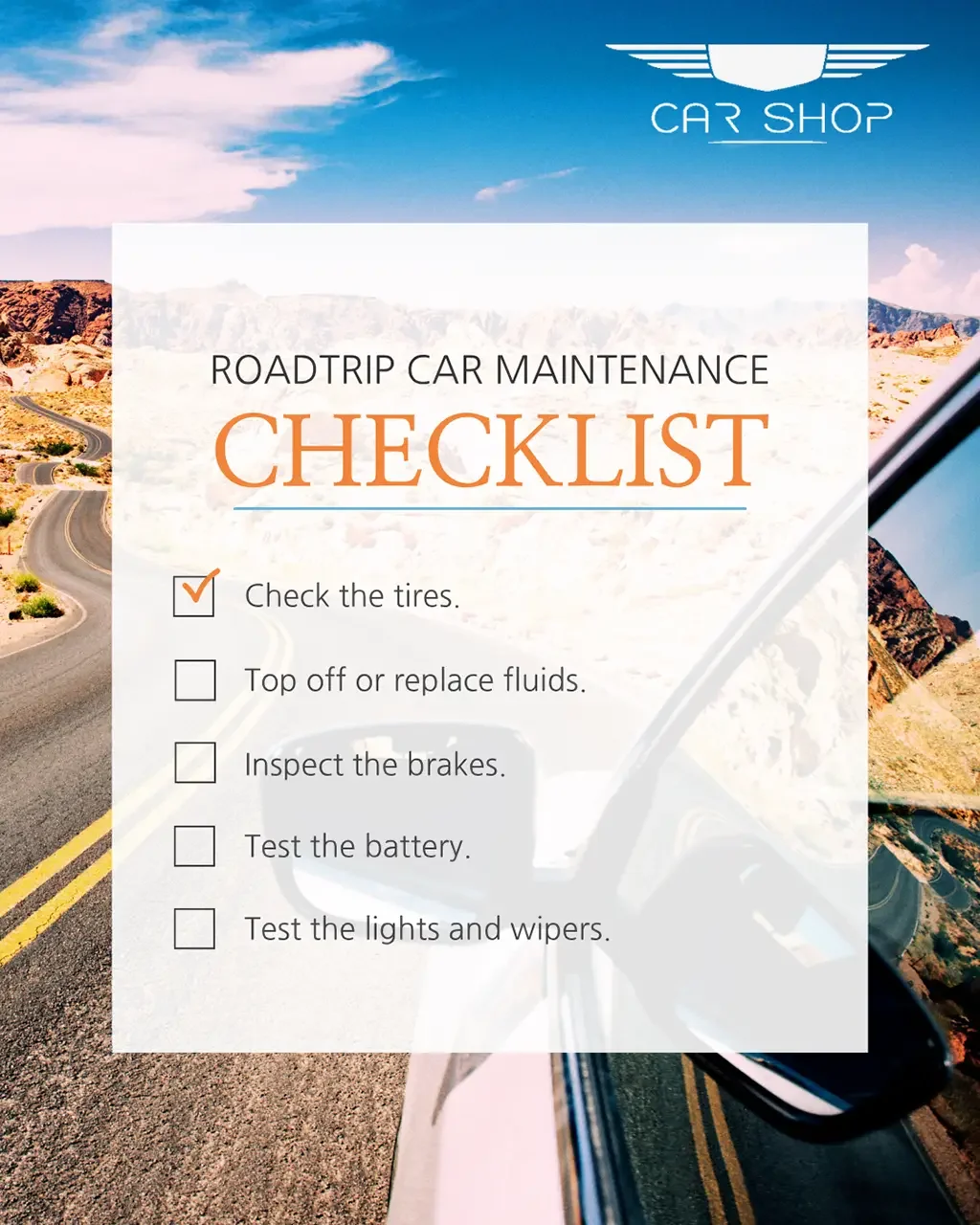
Overview of Key Components to Inspect
Before hitting the road, focus on essential systems such as the engine, tires, brakes, battery, cooling system, and lighting. Each plays a vital role in vehicle performance and reliability. Checking these parts thoroughly can prevent common issues and contribute to a smoother trip.
Pre-Trip Mechanical Inspection
Engine and Fluid Checks
Start with the engine, as it is the heart of your vehicle. Verify oil levels and quality, topping up or changing the oil if necessary. Brake fluid, transmission fluid, coolant, and windshield washer fluid should also be inspected. Low or dirty fluids can lead to severe mechanical problems, especially under prolonged driving conditions.
Tire Condition and Pressure Evaluation
Tires are critical for safety and fuel efficiency. Examine tread depth and watch for any visible damage such as cracks or bulges. Evaluate tire pressure to ensure it matches the manufacturer’s recommendations, as improper inflation can cause uneven wear or even blowouts. Don’t forget to check the spare tire as well.
Brake System Functionality
Your car’s braking system must be reliable for all road conditions. Test brake responsiveness and listen for unusual sounds such as grinding or squealing. If the pedal feels soft or spongy, a professional check is advisable. Brake pads and rotors should be inspected for wear and replaced if necessary before the trip.
Essential Vehicle Systems to Review
Battery Health and Electrical Systems
A healthy battery ensures a smooth start and powers all electrical components. Clean battery terminals and check for corrosion. If the battery is older than three years or shows signs of weakness, consider a replacement. Test headlights, taillights, indicators, and interior lights to ensure full functionality.
Cooling System and Radiator Inspection
Overheating can ruin a long drive, so inspect the radiator and cooling system carefully. Check for leaks, damaged hoses, and ensure coolant levels are adequate. Flushing and refilling the coolant might be necessary if it hasn’t been done recently. Proper engine temperature regulation is key to avoiding breakdowns.
Lights, Signals, and Wiper Effectiveness
The ability to see and be seen is fundamental to safe driving. Confirm that all lights and signals function correctly. Inspect windshield wipers for wear and replace them if streaking or skipping occurs. Clear visibility during rain or fog contributes to safer road conditions.
Preparing for Emergency Situations
Tools and Spare Parts Every Driver Should Carry
Equipping your car with basic tools and spare parts can save time and stress if issues arise. Essential items include a jack, lug wrench, jumper cables, spare tire, and a basic toolkit. Having these readily available allows for quick fixes and minimizes downtime during unexpected situations.
Setting Up a Safety Kit for Unexpected Breakdowns
A well-stocked safety kit provides peace of mind. Include items such as a first aid kit, flashlight with extra batteries, reflective warning triangles, blankets, bottled water, and non-perishable snacks. These essentials support you while awaiting assistance and help manage emergencies effectively.
Final Preparations and Road Trip Tips
Loading and Weight Distribution
Proper loading affects vehicle handling and fuel consumption. Distribute weight evenly, placing heavier items low and near the center to maintain stability. Avoid overloading beyond the manufacturer’s recommended capacity, as this can strain your vehicle’s suspension and brakes.
Route Planning and Weather Considerations
Planning your route in advance helps avoid unexpected delays and hazards. Check weather forecasts along your path and prepare for adverse conditions by packing appropriate gear. Being informed about road closures and detours ensures a more efficient and safer journey.


