
Introduction to Mindful Journaling and Anxiety
What is Mindful Journaling?
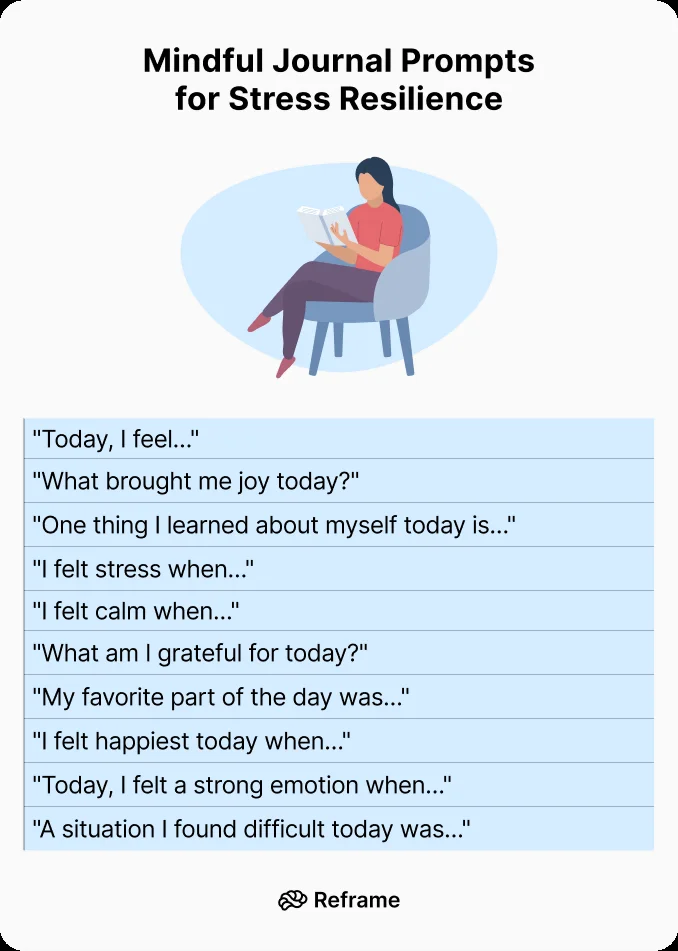
Mindful journaling is a reflective practice that encourages individuals to observe and document their thoughts, feelings, and bodily sensations without judgment. Unlike traditional journaling, which might focus on storytelling or venting, mindful journaling emphasizes awareness and presence in the moment. This approach helps people connect more deeply with their internal experiences, providing clarity and insight into patterns that may otherwise go unnoticed.
How Anxiety Triggers Affect Daily Life
Anxiety triggers are specific stimuli or situations that provoke feelings of worry, fear, or nervousness. These triggers can vary widely from person to person but often disrupt daily functioning and diminish overall well-being. When left unrecognized, anxiety triggers can create a cycle of stress and avoidance, making it difficult to engage fully in work, relationships, or self-care activities. Identifying these triggers is crucial for managing anxiety effectively and reclaiming control over one’s life.
Getting Started with Mindful Journaling
Setting Up Your Journal: Tips for Beginners
Beginners often face the challenge of not knowing how to start their mindful journaling journey. The first step is selecting a medium that feels comfortable—this could be a physical notebook or a digital app. Choosing a dedicated journal helps create a ritual around the practice, signaling to your mind that it’s time for reflection. It’s important to keep the setup simple to avoid overwhelm. Starting with just a few minutes a day can establish a sustainable habit without pressure.
Choosing the Right Time and Environment
One common hurdle is deciding when and where to journal. Anxiety can make focusing difficult, so choosing a quiet, comfortable environment free from distractions is essential. Many find early mornings or evenings effective for journaling because these times offer natural pauses in the day. Establishing a consistent time helps condition the mind to prepare for introspection, making the practice more effective and less of a chore.
Mindful Journaling Exercises to Identify Anxiety Triggers
Daily Mood Tracking and Reflection
Noticing subtle changes in mood throughout the day can reveal underlying anxiety triggers. A practical exercise involves rating your mood at several points during the day and briefly noting any events or thoughts linked to these shifts. Over time, this builds a detailed emotional map that uncovers recurring stressors. Without this awareness, triggers may remain hidden, perpetuating anxiety cycles. Reflection after mood tracking encourages a non-judgmental understanding rather than self-criticism.
Trigger Mapping: Noting Situations and Reactions
Trigger mapping goes deeper by asking you to describe specific moments when anxiety arose. Detail the environment, people involved, physical sensations, and your reaction. Writing these accounts helps clarify patterns, especially when anxiety stems from ambiguous or complex situations. Identifying these triggers is the foundation for developing strategies to manage or avoid them and disrupt the automatic anxiety response.
Body Scan Journaling for Physical Anxiety Signs
Since anxiety often manifests physically, journaling about bodily sensations can provide clues to impending anxious episodes. A body scan exercise involves slowing down and mentally checking in on different parts of the body, noting tension, tightness, or restlessness. Writing these observations fosters greater mind-body connection and helps anticipate anxiety before it escalates, enabling earlier intervention through calming techniques.
Techniques to Ease Anxiety Through Journaling
Gratitude Journaling to Shift Mindset
Anxiety can trap the mind in a negative loop, but focusing on gratitude can redirect thoughts toward positivity. Regularly journaling things you are thankful for, even small moments, breaks this cycle by promoting a balanced perspective. This practice reduces the intensity of anxiety by cultivating awareness of positive aspects in life, reinforcing resilience, and fostering emotional wellbeing.
Writing Affirmations and Positive Self-Talk
Negative self-talk often fuels anxiety, making affirmative writing an effective countermeasure. By consciously crafting positive statements and repeating them in your journal, you can rewire thought patterns over time. This practice encourages self-compassion and confidence, equipping you to face triggers with a calmer and more grounded mindset. It also helps combat the distorted perceptions anxiety frequently creates.
Visualization and Future-Oriented Entries
Journaling about desired outcomes or future scenarios can empower you to imagine coping with or overcoming anxiety triggers. Visualization exercises in writing create a mental rehearsal that builds preparedness and reduces fear of the unknown. Incorporating hopeful, goal-oriented entries fosters motivation and a sense of control, transforming journaling from a reactive to a proactive anxiety management tool.
Common Challenges and How to Overcome Them
Dealing with Overwhelm While Journaling
Starting mindful journaling can feel overwhelming, especially when confronting anxiety triggers head-on. This often discourages consistent practice. To counter this, approach journaling with gentleness—set time limits and allow imperfect entries. Breaking exercises into manageable chunks and focusing on one aspect at a time can reduce pressure. Remember, the goal is awareness, not perfection.
Maintaining Consistency and Motivation
Many beginners struggle with keeping up their journaling habit. Motivation wanes when progress seems slow or benefits are not immediately visible. To stay consistent, integrate journaling into everyday routines and tie it to existing habits like morning coffee or bedtime rituals. Celebrating small achievements, such as recognizing a trigger or successfully shifting perspective, can provide the encouragement needed to continue.
Next Steps: Integrating Mindful Journaling into Daily Routine
Combining Journaling with Other Anxiety Management Tools
Mindful journaling is most effective when paired with additional anxiety-reduction methods such as breathing exercises, mindfulness meditation, or physical activity. This holistic approach addresses anxiety from multiple angles, reinforcing coping strategies and reducing symptom severity. Integrating journaling as a complementary tool enhances self-awareness and strengthens overall resilience.
Tracking Progress and Celebrating Small Wins
Tracking your journey through mindful journaling allows you to observe gradual improvements and understand what techniques work best. Periodically reviewing journal entries can highlight progress and offer perspective on challenges overcome. Acknowledging these small wins, no matter how minor, fosters motivation and reinforces the value of your commitment to managing anxiety thoughtfully and effectively.


