
Understanding the Nutritional Needs of Kids Under 7
Why After-School Snacks Matter
After a busy day at school or preschool, young children often come home hungry and restless. This is the time when their bodies and minds need a quick replenishment to regain energy for homework, play, or family activities. Offering a thoughtful after-school snack not only satisfies their immediate hunger but also helps maintain balanced blood sugar levels and supports their growing bodies during critical developmental years. Imagine a four-year-old eager to share what they learned but losing focus because of hunger—this common scenario highlights why timely and nutritious snacks are essential.

Key Nutrients for Energy and Growth
Kids under seven require balanced nutrition to fuel their rapid growth and high energy needs. Essential nutrients like carbohydrates provide quick energy, while protein supports muscle development and repair. Healthy fats contribute to brain development, and vitamins such as A, C, and D, along with minerals like calcium and iron, play vital roles in immune function and bone strength. For example, a snack that includes a mix of fresh fruit, some nut butter, and whole grain crackers can cover a broad spectrum of these needs, helping kids stay energized and focused for the rest of their day.
Top Healthy Snack Categories for Young Children
Fruits and Vegetables: Easy and Delicious Options
Fruits and vegetables are excellent go-to snacks after school because they’re naturally sweet or savory and packed with vitamins and fiber. Offering sliced apples with a sprinkle of cinnamon or carrot sticks alongside a small portion of hummus can make vegetables more appealing. One parent shared how their picky three-year-old began eagerly reaching for cucumber slices after they involved her in dipping them into a yogurt-based dressing. The freshness and crunch not only satisfy hunger but also encourage kids to appreciate a variety of flavors and textures early on.
Whole Grains and Protein-Packed Choices
Whole grains provide lasting energy due to their slow digestion, which helps prevent sudden sugar crashes. Pairing these with protein creates a balanced snack that supports sustained concentration and physical activity. Examples include whole wheat pita pockets filled with mashed avocado and shredded chicken or oatmeal topped with a spoonful of sunflower seed butter. Parents often notice that meals including this combination help their children stay calmer and less irritable during homework time.
Dairy and Dairy Alternatives for Strong Bones
Calcium-rich snacks are crucial for young children’s bone growth. Dairy products like cheese sticks or Greek yogurt serve as convenient and enjoyable choices. For families with dairy sensitivities, fortified plant-based alternatives such as almond or oat milk yogurts can be just as beneficial. A story from a busy mother reveals how switching to dairy alternatives with her son has been a smooth transition, maintaining his calcium intake without compromising taste or texture, which has kept snack times positive and nutritious.
Quick and Simple After-School Snack Recipes
5-Minute Snacks to Boost Energy
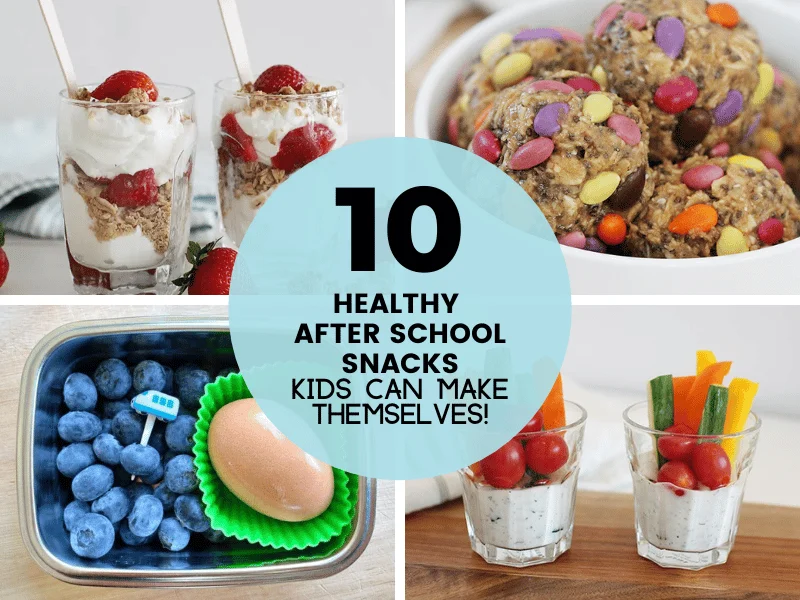
When time is limited, simple snacks that require minimal preparation are invaluable. For instance, spreading nut butter on whole grain toast and topping it with banana slices not only takes a minute but also combines carbohydrates, protein, and healthy fats. Another quick idea is a fruit smoothie made with spinach, frozen berries, and fortified milk, which can be blended while supervising homework. These fast recipes boost energy, are kid-friendly, and fit seamlessly into a hectic afternoon routine.
Creative Snacks Kids Can Help Prepare
Involving children in snack preparation makes them more interested in what they eat and teaches valuable skills. A fun activity could be building mini sandwiches using whole grain crackers, cheese, and turkey slices or rolling up a fruit and cheese kabob. When children participate, like a five-year-old carefully threading grapes onto a skewer, they develop a sense of ownership over their food choices and are more likely to eat the snacks they helped make.
Tips for Encouraging Healthy Eating Habits
Making Snack Time Fun and Interactive
Turning snack time into an engaging experience can encourage healthy habits naturally. Using colorful plates or fun-shaped cutters for fruits and vegetables transforms routine snacks into exciting treats. One family shared how their son’s excitement for “star-shaped apples” increased his willingness to try new fruits, making healthy eating a positive and anticipated part of the day.
Balancing Treats with Nutrition
It’s important to understand that occasional treats are part of a balanced diet. Incorporating small portions of favorite snacks alongside nutrient-rich foods teaches moderation. For example, pairing a small cookie with a serving of cottage cheese and fresh peach slices allows children to enjoy treats without compromising overall nutritional goals. This approach promotes a healthy relationship with food and reduces snack-time battles.
Practical Strategies for Busy Parents
Batch Prep Ideas and Storage Tips
Busy parents can save time by preparing snacks in advance. Washing and chopping vegetables or portioning out fruit into snack bags on the weekend means less stress during hectic afternoons. Storing these prepared snacks in accessible containers within reach of children encourages independence, as they can grab a healthy option without waiting. One mother mentioned how having ready-to-eat carrot sticks and cheese cubes in the fridge significantly reduced requests for less healthy alternatives after school.
How to Involve Kids in Snack Selection
Involving children in selecting snacks at the grocery store or local market empowers them and increases their interest in eating healthy foods. Parents who bring their kids along often use this as an opportunity to teach about colors, textures, and different food groups. Letting a child pick out a new fruit or vegetable can lead to enthusiastic tries at home, turning snack time into a learning adventure and fostering lifelong healthy habits.


