
Understanding the Connection Between Evening Habits and Sleep Quality
How Evening Routines Influence Sleep Patterns
Picture Sarah, a busy professional who noticed her sleep quality declining as her work hours stretched late into the evening. What she didn’t realize was how her nightly routine was silently shaping her sleep patterns. Evening habits – the activities, environment, and mental states we engage in before bed – directly influence how easily we fall asleep and how deeply we rest. When these habits promote calm and comfort, the body naturally transitions into sleep more smoothly. But when they involve screen time, stimulating activities, or stress, sleep disruptions become common.
Sarah started noticing that on nights when she dimmed the lights and read a book instead of scrolling social media, her sleep quality improved significantly. This example highlights how seemingly small choices interact with our internal clocks and prepare our mind and body for restorative rest.
The Science Behind Natural Sleep Enhancement
Sleep is regulated by complex biological processes including the circadian rhythm, hormone release, and nervous system activity. Natural sleep enhancers, like melatonin, rise in response to dim lighting and reduced stimulation. Engaging in calming activities encourages this rise, signaling the body to wind down. Conversely, exposure to blue light from screens can delay melatonin production, pushing bedtime later and resulting in fragmented sleep.
Understanding this science helps us appreciate why aligning evening habits with the body’s natural rhythms boosts sleep quality. For example, dimming lights an hour before bed mimics dusk and supports melatonin release naturally. This approach creates a synergy between external cues and internal biology, fostering improved restorative sleep.
Top Natural Evening Habits Proven to Boost Sleep Quality
Incorporating Relaxation Techniques Before Bedtime
James found that lying awake worrying about the next day’s tasks made going to sleep a real challenge. He began introducing simple relaxation methods such as progressive muscle relaxation and listening to calming music to help his body ease tension. These techniques facilitate a transition from wakefulness to sleep readiness by lowering heart rate and reducing mental chatter.
Such practices don’t require special skills or equipment; even spending 10 minutes focusing on relaxing each muscle group or tuning into gentle melodies can signal the nervous system to shift towards a restful state. Over time, these small rituals become cues for the body to prepare for sleep naturally.
The Role of Nutrition in Evening for Better Sleep
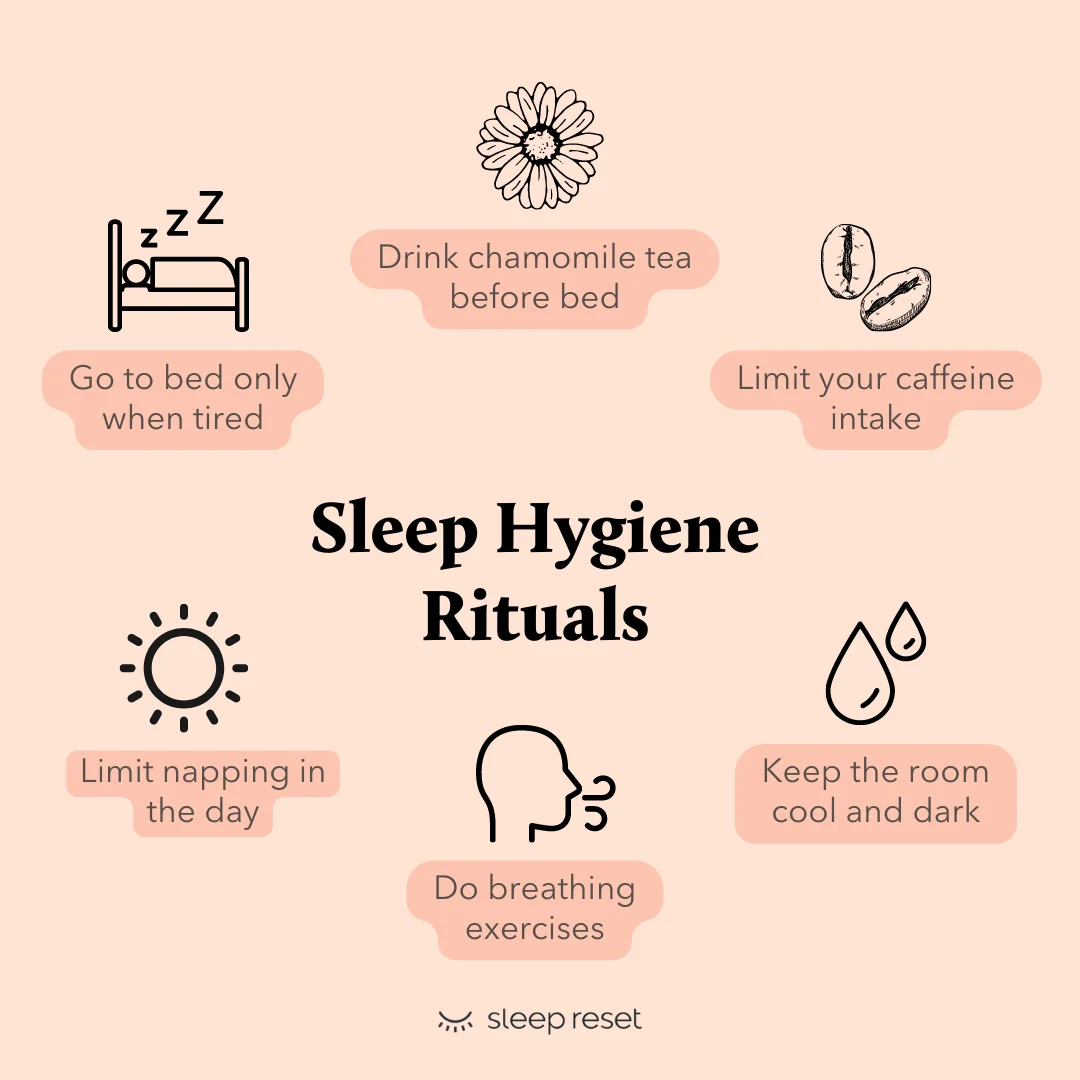
Consider how Lindsey’s evening snack impacted her sleep. Switching from sugary treats late at night to a small portion of almonds and chamomile tea made a noticeable difference in how quickly she drifted off. Foods rich in magnesium and certain amino acids have properties that support relaxation and calm the nervous system. Avoiding heavy, spicy, or caffeine-laden meals in the hours before bed also prevents discomfort and stimulation that may interrupt sleep.
Eating too close to bedtime can trigger digestion issues that disturb rest, while a light, well-chosen snack can provide sleep-supportive nutrients, setting the stage for a peaceful night.
Creating a Sleep-Inducing Environment Naturally
Emily transformed her bedroom into a sanctuary that cocooned her in tranquility. She reduced ambient noise by using soft fabrics to dampen sound and blocked external light with blackout curtains. Keeping the room cool and clutter-free contributed to a comfortable, inviting sleeping space. Such environmental adjustments can powerfully enhance the quality of sleep by minimizing disturbances and signaling the brain that it’s time to relax.
A natural sleep environment is about more than just comfort; it’s the subtle cues—the dimness, coolness, and quiet—that synchronize with our body’s desire to rest deeply.
Mindfulness and Stress Reduction Practices for a Restful Night
Guided Meditation and Deep Breathing Exercises
After struggling with anxiety-triggered insomnia, Mark began experimenting with guided meditation and deep breathing exercises each evening. These tools helped him anchor attention away from stress and into the present moment, softening racing thoughts and physical tension. His experience reflects how mindfulness practices calm the nervous system, reducing cortisol levels and allowing the body to transition more readily into sleep.
Even brief sessions can be beneficial, and the accessibility of apps and recordings means these practices fit easily into most evening schedules. The key is consistent engagement, helping build a nightly habit that signals rest and relaxation.
Journaling as a Tool to Quiet the Mind

Rachel found that writing down her thoughts before bed helped free her mind from repetitive worry loops. Journaling allows for the externalization of thoughts, reducing their intensity and providing a sense of closure for the day’s concerns. This simple act can be powerful in shifting mental energy away from stimulation towards calm reflection.
By setting aside just 10 minutes to jot down highlights or lingering thoughts, individuals can create mental space conducive to falling asleep peacefully.
Evening Movement and Its Impact on Sleep
Gentle Yoga and Stretching Routines
Tom integrated gentle yoga sequences into his evening routine and observed a meaningful improvement in sleep onset and quality. Slow stretching relieves muscle tightness accumulated during the day and encourages circulation without increasing adrenaline or heart rate excessively. These movements help signal to the brain that the day is winding down.
Even five to ten minutes of relaxing poses focused on breath awareness can be enough to prepare both body and mind for rest, making this a practical habit for those seeking natural sleep enhancement.
Why Avoiding High-Intensity Workouts in the Evening Matters
Anna used to push herself with intense workouts late at night but often found herself too energized to sleep afterward. High-intensity exercise triggers the release of adrenaline and increases core body temperature, both of which can disrupt natural sleep cycles. Recognizing this, she shifted her vigorous activities to earlier in the day and reserved the evenings for calming movement.
This adjustment allowed her body to cool down and decrease stimulation before bedtime, resulting in more restful nights.
Implementing a Personalized Nightly Ritual
Listening to Your Body’s Natural Rhythms
Jack noticed that forcing himself to follow a strict, generic bedtime routine didn’t always work. Instead, he began tuning into his own signs of tiredness and adjusted sleep times accordingly. Paying attention to when the body naturally feels ready for rest – be it earlier or later – allows more alignment with circadian rhythms, leading to better sleep quality.
Personalizing habits acknowledges individual variability rather than a one-size-fits-all approach, making routines more sustainable and effective.
Adjusting Habits Based on Seasonal and Lifestyle Changes
Maria experienced different sleep challenges with changing seasons and life demands. In winter, she added light exposure earlier in the day to compensate for shorter daylight hours, while during intense work periods, she prioritized relaxation techniques more heavily. Flexibility in evening habits allows adaptation to the evolving needs of body and lifestyle, maintaining sleep quality amid shifting circumstances.
Recognizing and responding to these changes can prevent frustrations and promote consistent, restorative sleep throughout the year.


