
Introduction to Bodyweight Workouts for Muscle Building
Bodyweight workouts have become a popular and effective way to build muscle, especially for those who prefer exercising at home without relying on bulky equipment. These exercises use your body’s own weight as resistance, allowing you to develop strength, tone muscles, and improve overall fitness. Whether you are a beginner or looking to supplement your existing routine, bodyweight training offers a flexible and accessible way to achieve your muscle-building goals.
Why Choose Bodyweight Training at Home?
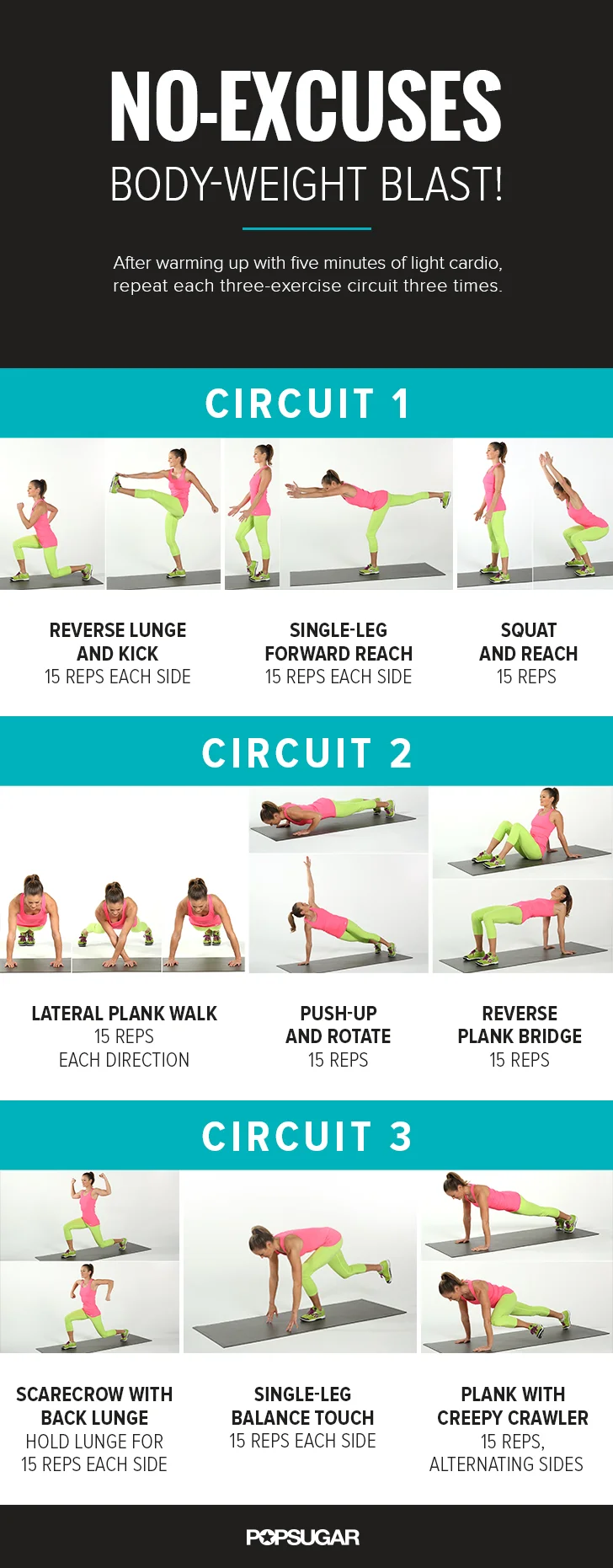
Choosing bodyweight training at home eliminates many common barriers like gym memberships, expensive equipment, and commuting time. It allows you to work out whenever you want, fitting exercise into your schedule with ease. Moreover, bodyweight exercises promote natural movement patterns, improving coordination and balance alongside muscle growth. This convenience and versatility make bodyweight routines an ideal choice for busy individuals or those who value privacy and comfort during workouts.
Benefits of Building Muscle Without Equipment
Building muscle without equipment offers several unique advantages. Primarily, it encourages functional strength by engaging multiple muscle groups simultaneously. You also reduce the risk of injury that can come from improperly using weights or machines. Additionally, bodyweight training helps improve muscular endurance and cardiovascular health. Finally, the minimal space and zero-cost setup make it a sustainable fitness approach for long-term health and strength gains.
Essential Bodyweight Exercises to Get Started
Upper Body Moves: Push-Ups and Variations
Push-ups are the cornerstone of upper body bodyweight training. They target the chest, shoulders, triceps, and even the core, building balanced upper body strength. Starting with classic push-ups is effective for beginners, and as you grow stronger, variations such as wide-grip, diamond, and decline push-ups can be introduced for increased difficulty. Each variation shifts the emphasis slightly, helping you engage different muscle fibers and prevent plateaus.
Lower Body Focus: Squats and Lunges
Squats and lunges form the foundation of lower body muscle development without equipment. Squats primarily work the quadriceps, hamstrings, glutes, and calves, promoting overall leg strength and power. Lunges emphasize single-leg strength and balance, targeting similar muscles but adding coordination challenges. By mastering bodyweight squats and lunges, you create a solid base for more advanced exercises like jump squats or Bulgarian split squats.
Core Strength: Planks and Leg Raises
A strong core is essential for muscle building and injury prevention. Planks engage multiple core muscles, supporting better posture and stability. Variations like side planks or forearm planks increase intensity and challenge oblique muscles. Leg raises focus on the lower abdominal muscles, which are often tougher to target. Combining these exercises consistently will develop a robust core foundation that supports all other movements.
Creating an Effective Muscle-Building Workout Plan
How to Structure Your Routine for Progressive Overload
Progressive overload is key to muscle growth, meaning you gradually increase the challenge placed on your muscles over time. Begin your bodyweight workout with basic exercises and focus on perfecting form. Once comfortable, increase difficulty by adding more repetitions, sets, or time under tension. For example, progressing from regular push-ups to decline push-ups or incorporating tempo changes helps maintain consistent muscle stimulus and triggers growth.
Optimal Sets, Reps, and Rest Times
Designing your workout with effective sets and repetitions balances muscle fatigue and recovery. Generally, performing 3 to 4 sets of 8 to 15 repetitions per exercise works well for building muscle with bodyweight movements. Rest periods should be long enough to allow partial recovery—about 30 to 60 seconds between sets—so you can maintain good form and intensity throughout your session. Adjust as needed based on your fatigue levels and goals.
Advanced Techniques to Intensify Bodyweight Training
Implementing Plyometric and Isometric Exercises
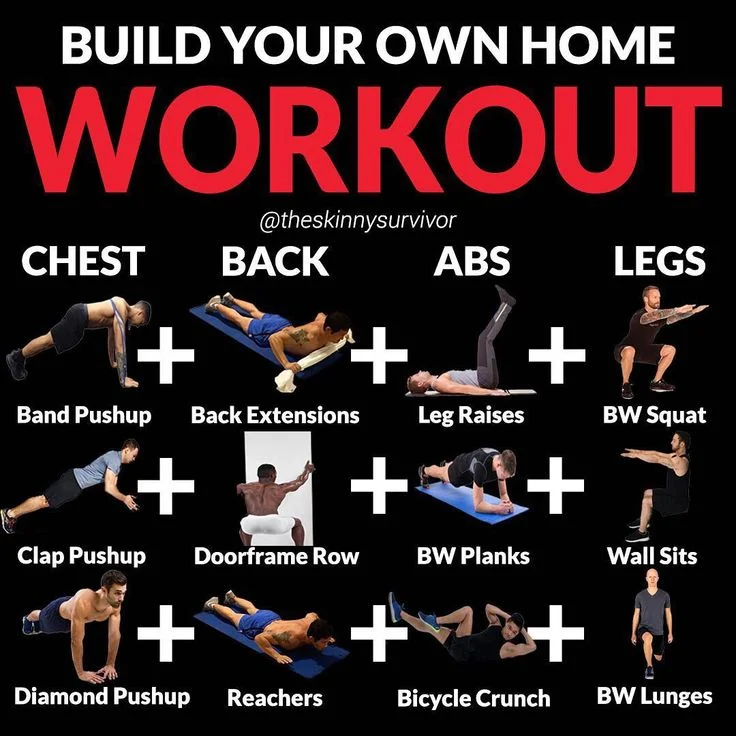
To take your bodyweight training further, incorporate plyometric exercises like jump squats or clap push-ups. These explosive movements increase muscle power and stimulate fast-twitch muscle fibers, promoting growth and athletic performance. Isometric exercises, such as holding a plank or wall sit for extended periods, increase muscle tension without movement, enhancing endurance and strength. Alternating between dynamic and static exercises keeps workouts challenging and effective.
Using Tempo and Pauses for Maximum Muscle Engagement
Altering the tempo of your repetitions by slowing down the eccentric (lowering) phase or pausing at the toughest point increases time under tension, which is crucial for muscle hypertrophy. For instance, lowering yourself slowly during a push-up or holding the squat position for a few seconds before rising intensifies muscle engagement. These subtle modifications make bodyweight exercises more demanding and stimulate greater muscle adaptation.
Common Mistakes to Avoid in Bodyweight Muscle Training
Inconsistent Progression
One of the most frequent errors is failing to increase the challenge over time. Sticking to the same exercises without adjusting difficulty or volume can cause your muscles to adapt and stop growing. It’s important to track your progress and intentionally push yourself by increasing reps, sets, or incorporating advanced variations. Consistency paired with progression drives ongoing muscle development.
Poor Form and Injury Prevention
Maintaining proper form is critical for preventing injuries and maximizing results. Poor technique not only reduces exercise effectiveness but can also lead to strain or joint problems. Focus on quality rather than quantity, ensuring controlled movements and correct posture. Listening to your body and avoiding excessive fatigue can help safeguard your training longevity.
Tracking Your Muscle Growth Without Equipment
Using Body Measurements and Strength Benchmarks
Without access to gym machines or scales, tracking muscle growth can rely on straightforward methods like measuring body circumference (arms, legs, chest) regularly. Taking photos every few weeks also helps visually document changes. Strength benchmarks, such as the number of push-ups or duration of planks, provide tangible evidence of improving muscle capacity. These techniques keep motivation high and provide clear indicators of progress.
Maintaining Motivation and Setting Realistic Goals
Setting achievable goals is essential to stay motivated throughout your muscle-building journey. Break larger objectives into smaller milestones, such as increasing reps or mastering a new exercise variation. Celebrate these successes to reinforce positive habits. Combining goal-setting with consistent workout scheduling and rest days helps maintain enthusiasm and prevents burnout.
Conclusion: Achieving Muscle Growth at Home
Building muscle at home through bodyweight workouts is not only feasible but highly effective when approached strategically. By focusing on foundational exercises, structuring progressive routines, and incorporating advanced techniques, you can foster significant muscle development without any equipment. Avoiding common pitfalls like inconsistent progression and poor form will safeguard your efforts. With dedication, proper tracking, and realistic goal-setting, you can enjoy the benefits of muscle growth and improved fitness—all within the comfort of your own home.


