
Understanding the Challenge: Remote Work Meets Parenting
The New Normal for Working Parents
The landscape of work has shifted dramatically in recent years, and for many parents, remote work has become the new norm. Navigating the demands of a job while also caring for children under the same roof is a balancing act like no other. With schools often operating remotely or on altered schedules, parents find themselves juggling conference calls, project deadlines, and homework help simultaneously. This blended environment brings its own unique challenges—and opportunities.

Common Time Management Pitfalls
One of the biggest hurdles parents face while working from home is managing time effectively. Without clear boundaries, work can spill into family moments and vice versa, leading to stress and reduced productivity. It’s easy to underestimate how much time tasks take when distractions are constant, or to fall into the trap of trying to do everything at once. Many parents also struggle with feeling guilty for not fully being present in either sphere, which can cloud judgment and decision-making around priorities.
Setting Realistic Goals and Priorities
Identifying Core Family and Work Responsibilities
To tackle time management, the first step is clarity on what truly matters. It helps to list out essential tasks both at work and at home. For work, this might be critical meetings, project deadlines, and email correspondence. Family responsibilities could include meals, school routines, and downtime with kids. Recognizing what can be delegated, postponed, or simplified is key to avoiding overwhelm and maintaining focus on what counts most.
Using the Eisenhower Matrix to Prioritize Tasks
One useful tool for busy parents is the Eisenhower Matrix, which divides tasks into four categories: urgent and important, important but not urgent, urgent but not important, and neither urgent nor important. By categorizing daily activities this way, parents can channel their energy into high-priority work and family commitments while learning to delegate or eliminate less critical tasks. This helps reduce decision fatigue and keeps the day purposeful without spreading oneself too thin.
Creating a Flexible Yet Structured Daily Schedule
Balancing Work Hours with Family Time
Establishing a routine that respects both work obligations and family needs is crucial. While flexibility is a key benefit of remote work, structure provides predictability and reduces stress. Allocating specific blocks of time for focused work and intentional family engagement helps keep boundaries clear. For example, designating morning hours exclusively for work and afternoons for family activities can create a rhythm that everyone anticipates.
Incorporating Breaks for Mental Health
Regular breaks aren’t a luxury—they’re a necessity. Brief pauses during the day to stretch, take a short walk, or simply breathe can recharge mental energy and improve concentration. When children are around, involving them in quick breaks can reinforce connection and reduce feelings of neglect. These moments often make it easier to return to work with renewed focus and less frustration.
Tips on Synchronizing Partner Schedules
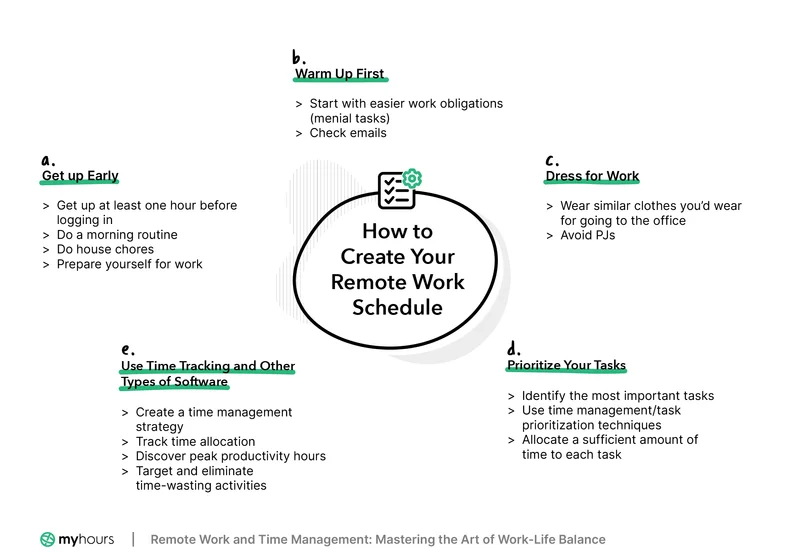
Coordinating with your partner or co-parent can be a game-changer. By aligning work hours or alternating childcare responsibilities, both parents can carve out uninterrupted work periods. Open communication about deadlines and flexibility needs ensures that each person feels supported. Scheduling regular check-ins to discuss the week ahead can preempt conflicts and foster teamwork.
Utilizing Technology to Boost Efficiency
Top Time Management Apps for Busy Parents
Technology can be a powerful ally in managing the complexities of remote work and family life. Apps like Trello or Asana can help organize tasks, while calendar tools such as Google Calendar enable syncing schedules and setting reminders. For parents needing to limit distractions, apps like Focus@Will or Forest encourage sustained concentration through background sounds or gamified focus sessions.
How Automation Can Simplify Routine Tasks
Automating repetitive chores saves precious time and mental bandwidth. Simple actions like setting up auto-pay for bills, using grocery delivery services, or employing smart home devices for lighting and temperature control reduce the daily to-do list. Automation frees parents up to invest energy into higher-priority tasks and meaningful moments with their kids, making daily life smoother and less chaotic.
Establishing Boundaries at Home
Designating Workspace for Mental Separation
Creating a dedicated workspace—even a small corner—can psychologically separate work from family life. This physical boundary signals to the brain that it’s time to focus, helping reduce distractions. When the workday ends, leaving that space behind reinforces the shift back to family time and rest. This separation also helps children understand when a parent is “at work” versus available.
Communicating Work Hours to Children and Family
Setting clear expectations with family members about work times prevents interruptions and fosters respect for your schedule. Simple signals like a closed door, a desk sign, or color-coded timers can indicate when it’s okay to knock or chat. Involving children in understanding these boundaries helps them develop patience and respect for your role as both a worker and a parent.
Self-Care and Flexibility: Keys to Sustainable Productivity
Recognizing Signs of Burnout and How to Address Them
Balancing remote work and parenting can easily lead to burnout if you’re not careful. Fatigue, irritability, and decreased motivation are warning signs that you need to pause and recharge. Embracing self-care through activities like exercise, mindfulness, or hobbies replenishes energy reserves. Seeking support from friends, family, or professionals is also vital during overwhelming times.
Allowing Room for Flexibility and Unexpected Events
No schedule is perfect, especially when children are involved. Illnesses, school changes, or technology glitches can disrupt even the best plans. Building flexibility into your routine—not as an afterthought but as an essential component—allows for smoother adjustments without guilt or stress. Accepting that some days will be less productive can foster resilience and long-term balance.


