
Understanding the Importance of Proper Posture in Remote Work
How Posture Affects Productivity and Health
Maintaining proper posture while working from home is more than just a comfort issue; it directly impacts both productivity and overall health. When your body is aligned correctly, your muscles experience less strain, meaning you can work longer without discomfort. This alignment also supports better blood circulation and breathing, which boosts mental alertness. Conversely, poor posture can lead to fatigue, decreased focus, and even musculoskeletal problems over time, ultimately reducing your efficiency during work hours.
Common Posture Problems When Working from Home
Many remote workers encounter posture challenges they might not face in a traditional office setting. Slouching or leaning forward toward screens, craning the neck, or sitting too low or too high can all cause discomfort. Additionally, long periods of sitting without proper lumbar support tend to create lower back pain. These common issues stem from makeshift workspaces, such as working on couches or kitchen tables, where ergonomic considerations are often overlooked.
Essential Chair Adjustments for Optimal Support
Choosing the Right Chair for Your Body Type
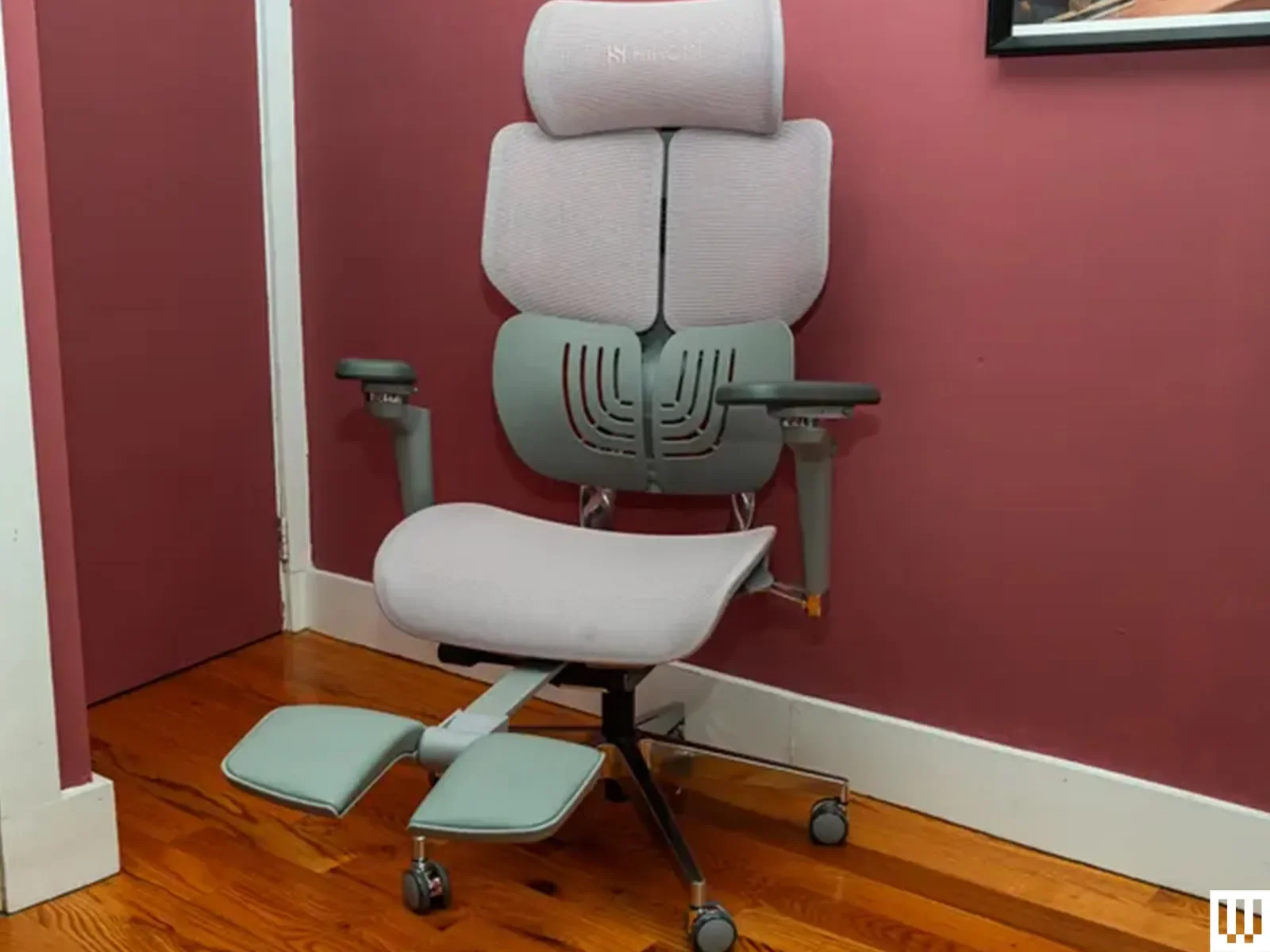
The foundation of good posture begins with selecting a chair that suits your body shape and size. A chair with adjustable features allows customization to fit your frame, promoting balanced support. For example, people with longer legs may need a seat with adjustable height and depth, while those with broader shoulders require wider backrests. Investing time in finding a chair that complements your body helps prevent strain and encourages natural posture alignment.
Adjusting Seat Height and Depth Correctly
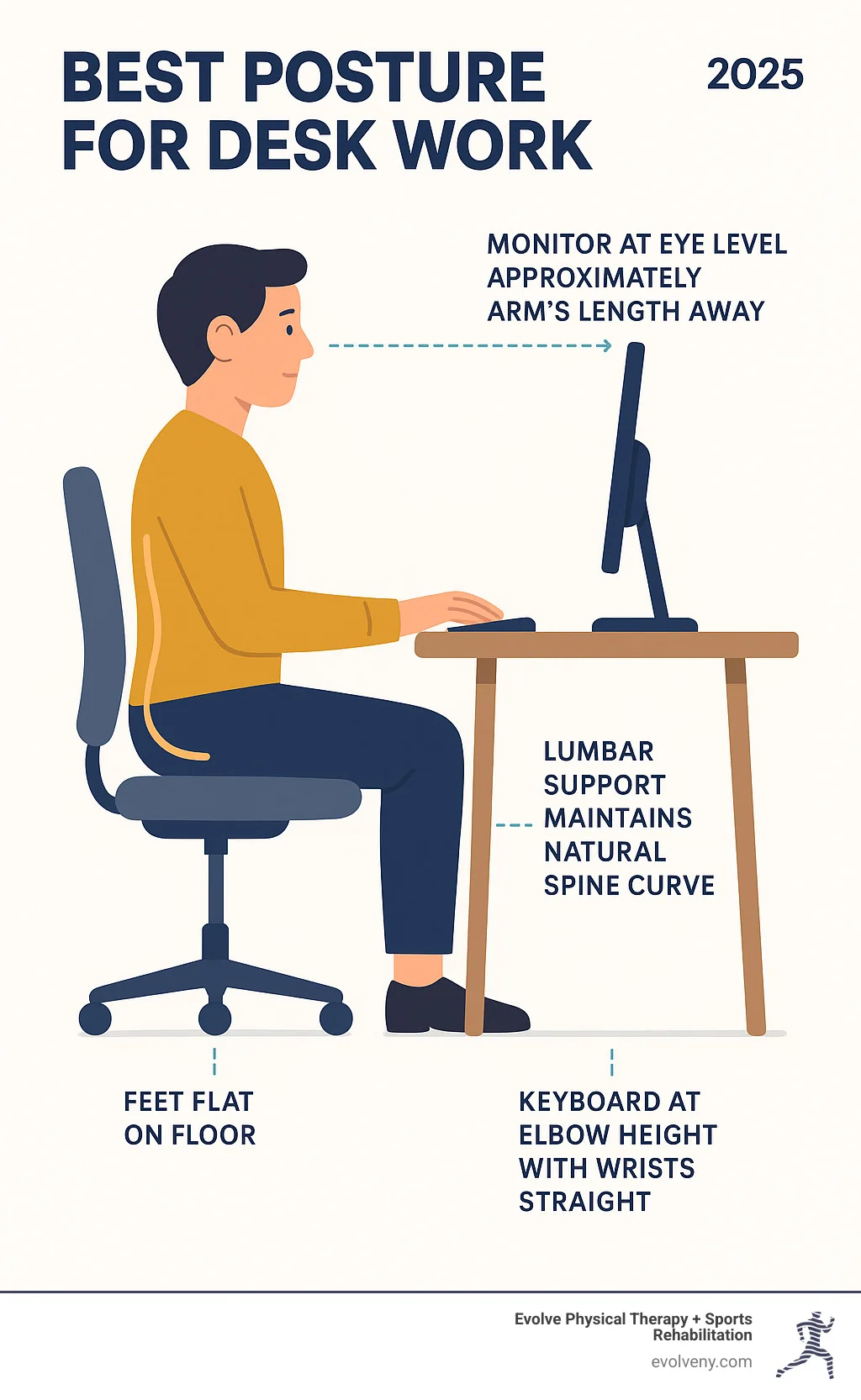
Once you have the right chair, adjusting the seat height is crucial. Your feet should rest flat on the floor with your knees bent at about a 90-degree angle, which supports circulation and prevents pressure points. The seat depth should allow about two to three inches between the edge of the seat and the back of your knees, ensuring you don’t cut off circulation or overextend your legs. This creates a comfortable sitting position that encourages you to sit back fully against the chair’s backrest.
Proper Lumbar Support and Backrest Position
Lumbar support is a key element in maintaining the natural curve of your lower spine. Adjusting the backrest to provide firm support right above the hips helps reduce lower back strain. The backrest should ideally recline slightly, allowing for a relaxed posture without encouraging slouching. This balance supports a healthy spinal posture, preventing long-term discomfort often associated with sedentary work.
Armrest Placement and Functionality
Armrests should be at a height that allows your shoulders to relax and your elbows to stay close to your body, typically around a 90-degree angle at the elbow. Properly positioned armrests reduce tension in the neck and shoulders while supporting the forearms during typing or mouse use. Overly high or low armrests can lead to awkward postures, so adjusting them to complement your desk setup is essential for comfort and stability.
Desk Adjustments That Complement Good Posture
Setting the Appropriate Desk Height
The desk height needs to complement your chair adjustments to maintain ergonomic alignment. Generally, your desk should be at a height where your forearms rest parallel to the floor while typing or using a mouse. This prevents wrist strain and encourages a neutral arm and hand position. If your desk is fixed and too high or low, consider adjustable keyboard trays or desk risers to help achieve the optimal setup.
Ideal Monitor Position for Neck Alignment
Placing your monitor correctly is vital for neck health. The top of the screen should be at or slightly below eye level, so you can view it without tilting your head up or down. Position the monitor about an arm’s length away to avoid leaning forward. This setup helps maintain a neutral neck position, reducing tension and fatigue that can arise from extended periods of screen time.
Keyboard and Mouse Setup to Avoid Strain
Positioning your keyboard and mouse within easy reach avoids unnecessary stretching or twisting of your wrists and arms. The keyboard should lie flat or tilted slightly away from you, while the mouse should be at the same level and close enough to prevent overreach. Keeping wrists straight and relaxed during use reduces the risk of repetitive strain injuries such as carpal tunnel syndrome.
Integrating Movement and Ergonomic Tools
Using Footrests and Standing Desk Options
Adding a footrest can improve posture by providing a stable platform for your feet, especially if the chair height leaves your feet dangling. It promotes better circulation and supports your legs during long sitting periods. Incorporating standing desks or adjustable sit-stand workstations further encourages movement and reduces the time spent in a static posture. These options enable balance between sitting and standing, which benefits spinal health and energy levels.
Incorporating Stretch Breaks and Micro-movements
Even with perfect chair and desk settings, staying in one position for hours can be harmful. Introducing regular stretch breaks and simple movements throughout the day helps relieve muscle tension and improve blood flow. Simple actions like shoulder rolls, neck stretches, or brief walks can interrupt sedentary habits, supporting long-term posture and comfort.
Final Tips for Sustaining Posture Throughout Long Remote Workdays
To maintain proper posture during extended remote work hours, consistent awareness and small adjustments matter. Regularly reassess your chair and desk setup as your body changes or demands shift. Avoid prolonged static positions by incorporating movement into your routine. Listening to your body’s signals of discomfort can prompt timely changes, helping prevent the buildup of strain. By combining the right ergonomic environment with mindful habits, you create a sustainable workspace that supports your health and productivity.


