
Understanding the Importance of Balance and Stability for Seniors
How Mobility Influences Overall Health in Older Adults
As we age, maintaining mobility becomes a cornerstone of living a healthy and independent life. Mobility is more than just moving around; it encompasses the ability to perform daily activities smoothly and safely. Good balance and stability enable seniors to walk confidently, reach for objects, and enjoy activities without worry. When mobility is preserved, older adults tend to experience better cardiovascular health, improved mental well-being, and a greater sense of autonomy. It also means fewer limitations, allowing them to engage socially and stay connected with their communities.
The Risks of Poor Balance and How to Prevent Falls
Poor balance is a leading cause of falls among seniors, which can result in serious injuries such as fractures and head trauma. The fear of falling often leads to reduced physical activity, which ironically weakens muscles and worsens balance, creating a vicious cycle. Prevention is crucial, and it begins with understanding personal risk factors—like muscle weakness, medication side effects, or vision problems—and actively working to improve stability. Incorporating targeted exercises and adopting safety measures at home can dramatically decrease the likelihood of falls, ensuring seniors can move confidently and safely.
Simple At-Home Movements to Enhance Stability
Chair-Based Exercises for Beginners
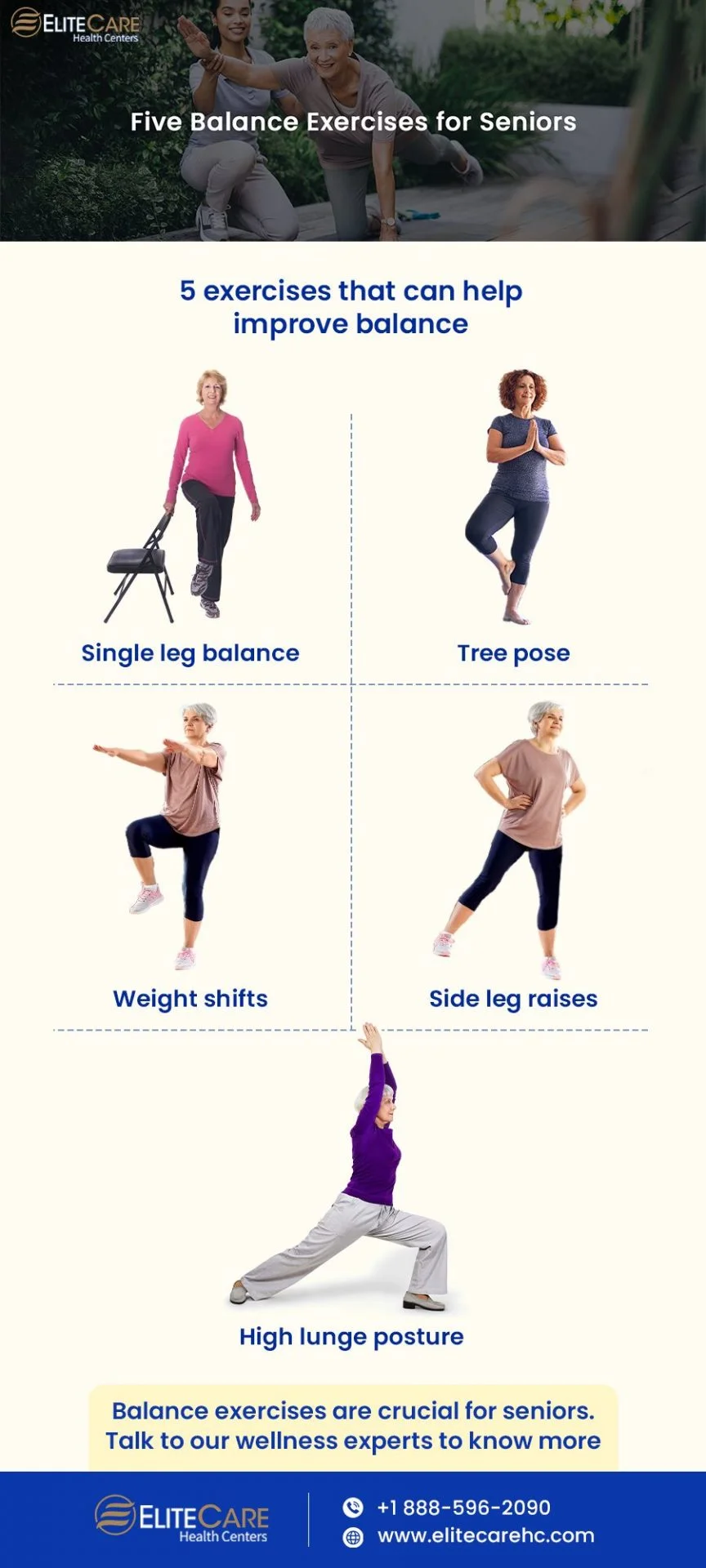
Starting with chair-based exercises is a wonderful way to build strength and balance without putting too much strain on the body. These exercises are particularly helpful for seniors who may feel unsteady or are recovering from an injury. Movements such as seated leg lifts, ankle circles, and gentle torso twists can activate key muscles and improve coordination. The chair provides support, allowing seniors to focus on controlled movements that promote balance. Regular practice can lead to noticeable improvements in stability and confidence while transitioning to more challenging exercises.
Standing Balance Drills Using Household Items
Once comfortable with seated exercises, incorporating simple standing balance drills can enhance stability further. Everyday household items like a sturdy countertop or a wall can serve as a support system. For example, practicing standing on one foot while holding onto a kitchen counter helps develop core strength and balance. Shifting weight from one leg to another or walking heel-to-toe along a clear hallway are effective drills. These exercises not only strengthen legs but also train the nervous system to maintain equilibrium, reducing the risk of unexpected falls.
Designing a Safe Daily Routine for Balance Improvement
Combining Strength, Flexibility, and Stability Exercises
Balance does not exist in isolation; it relies on a combination of strength and flexibility. A well-rounded routine includes gentle strength training for legs and core, flexibility stretches to keep joints nimble, and targeted balance exercises to improve coordination. This blend ensures the body can react swiftly and efficiently to changes in position. Starting with a few minutes each day and gradually increasing duration fosters progress without overwhelming the body. Small, consistent efforts can build a solid foundation, making daily activities easier and safer.
Tips to Maintain Consistency and Motivation
Sticking to a routine can be challenging, especially if exercises feel repetitive or daunting. To stay motivated, it helps to set realistic goals and celebrate small victories. Incorporating variety by alternating different exercises keeps things interesting. Connecting with friends or family members for joint exercise sessions adds a social element, enhancing accountability and enjoyment. Tracking progress through a simple journal or app can provide visual proof of improvement and inspire seniors to continue. Remember, patience and kindness to oneself are key ingredients in maintaining a lifelong habit.
Additional Support Tools to Boost Senior Mobility
Using Grab Bars, Walkers, and Other Assistive Devices
Physical exercise is essential, but creating a safe environment also plays a crucial role in supporting mobility. Installing grab bars in bathrooms and along stairways offers added security during everyday movements. Walkers and canes provide balance support when standing or walking, especially for those with existing mobility challenges. These devices are not a sign of weakness but practical tools that empower seniors to move with confidence and reduce strain. Knowing when and how to use them correctly can prevent injuries and enhance independence.
Benefits of Wearable Technology for Fall Detection
Modern technology offers exciting solutions to senior mobility concerns. Wearable devices equipped with fall detection sensors can alert caregivers or emergency services immediately if a fall occurs. This quick response capability saves valuable time and offers peace of mind for both seniors and their families. Beyond fall detection, some gadgets monitor daily activity levels and provide reminders to stay active, encouraging a proactive approach to health. Embracing these tools adds an extra layer of protection, complementing physical exercises and home safety measures.


