
Introduction to Montessori Learning Spaces
Understanding the Montessori Philosophy
Montessori education is all about nurturing a child’s natural curiosity and fostering independence through hands-on learning. At its core, the Montessori philosophy encourages a prepared environment where children can explore and discover at their own pace. It’s not just about formal lessons; it’s about creating a space that invites children to engage with their surroundings thoughtfully and confidently. This approach values freedom within limits and emphasizes real-life skills that build a foundation for lifelong learning.
Benefits of a Montessori-Inspired Area at Home
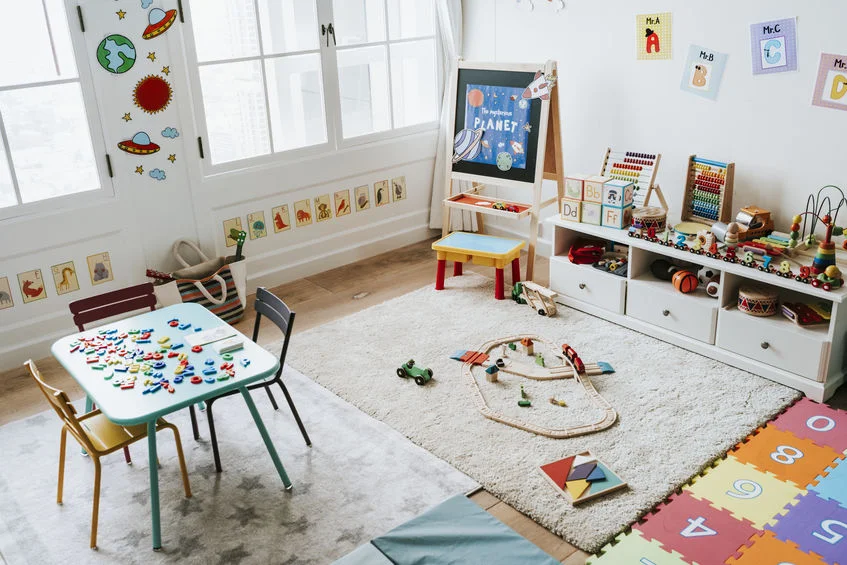
Bringing Montessori principles into your living room can transform the way your child learns and plays. A dedicated, thoughtfully arranged space helps children develop focus and autonomy. It also promotes practical skills, fine motor development, and sensory exploration. Beyond academics, this type of environment supports emotional growth by allowing children to make choices and take responsibility for their activities. Plus, it creates a peaceful and organized corner for everyone in the family to enjoy.
Choosing the Perfect Spot in Your Living Room
Factors to Consider: Light, Space, and Safety
Choosing where to set up your Montessori space is more important than it might seem at first. Natural light is invaluable, as it boosts mood and keeps the area inviting. You want enough room for your child to move freely without feeling cramped, but it should also be cozy enough to feel like a special corner. Safety is non-negotiable—avoid busy traffic paths and make sure furniture is stable and edges are rounded. Being mindful of electrical outlets and small objects is also crucial to create a secure environment.
Creating Zones for Different Activities
Once you’ve found the ideal spot, think about dividing the area into small zones tailored to various activities. For example, a reading nook with comfortable cushions can encourage quiet time, while a work table can serve as a space for hands-on projects. Setting clear zones helps children anticipate what they can do in each spot, making transitions smoother and allowing them to develop routines. This separation encourages focus and makes the environment feel orderly without being restrictive.
Essential Montessori Materials and Tools
Selecting Age-Appropriate Learning Resources
Montessori materials are designed to be inviting, purposeful, and self-correcting. When choosing supplies, it’s best to select items that match your child’s developmental stage. For toddlers, simple objects like stacking blocks, sorting games, or sensory bins offer valuable learning opportunities. Older children might enjoy puzzles that challenge problem-solving or practical life tools like child-sized brooms and utensils to foster independence. The key is to provide materials that are neither too easy nor too frustrating but just right to spark engagement.
Where to Source or How to DIY Montessori Materials
Montessori materials don’t always have to come from specialized stores; many can be handcrafted with a bit of creativity at home. Simple items like wooden blocks, fabric squares, or natural elements such as pinecones and shells can be transformed into learning tools. Many online platforms offer affordable kits or printables too, if DIY isn’t your thing. When gathering materials, focus on quality and natural textures rather than plastic or flashy colors. This helps keep the space calm and appealing.
Design and Organization Tips
Minimalist and Child-Friendly Furniture Choices
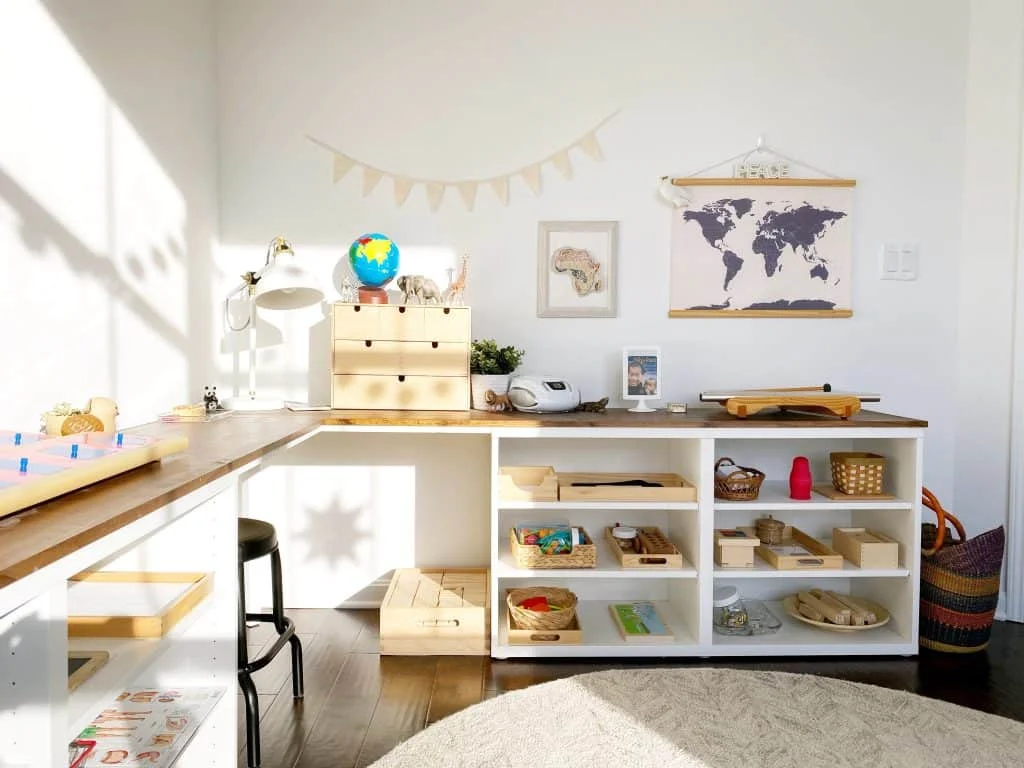
One of the hallmarks of a Montessori space is its simplicity. Furniture should be scaled to your child’s size, encouraging independence and comfort. Look for low shelves, small tables, and chairs that are easy for little hands to manage. Avoid overcrowding the space; each piece should have a clear function. Opt for natural materials like wood for durability and warmth. The minimalist design reduces distractions and allows children to focus on the activities at hand.
Storage Solutions for Easy Access and Clean-Up
Organization is crucial in maintaining a Montessori-inspired area. Open shelves are perfect because they allow children to see what’s available and access materials independently. Using baskets or trays can help keep small items grouped and manageable. Encouraging your child to put things back after use not only keeps the space tidy but also instills responsibility. A clutter-free environment supports calm and concentration, making learning more effective.
Incorporating Nature and Sensory Elements
Using Natural Materials and Plants
Nature plays a vital role in Montessori education. Incorporating plants and natural materials into your living room learning space can enrich the sensory experience and bring a sense of calmness. Small potted plants or simple arrangements of stones, wooden objects, or shells can spark curiosity about the natural world. These elements promote mindfulness and connect children to their environment, which is especially beneficial if outdoor time is limited.
Adding Tactile and Visual Stimulation
A Montessori space should engage multiple senses without overwhelming. Including items with different textures—like soft fabrics, smooth stones, or rough wood—invites exploration through touch. Visual interest can come from neutral tones and patterns that encourage observation rather than distraction. Carefully chosen sensory bins or tactile boards can deepen learning. The goal is to create a balanced atmosphere that stimulates yet soothes, encouraging focus and discovery.
Daily Routines and Encouraging Independence
Setting Clear Boundaries and Expectations
Consistency in routine helps children feel secure and understand how to engage with their Montessori space. Establish simple rules around tidiness, respecting materials, and sharing the area with others. Clear expectations don’t have to be strict but should provide a framework that guides behavior. Repeating these routines daily builds confidence and allows children to take ownership of their learning environment.
Guiding Children to Use the Space Confidently
Initially, your role is to gently introduce the materials and demonstrate how to use them. But the beauty of a Montessori space is in letting children lead their own learning journey. Encourage exploration and let them choose activities they feel drawn to. Resist the urge to intervene too quickly; children benefit from problem-solving on their own. Offering support only when asked fosters independence and self-motivation, key goals of the Montessori approach.
Maintaining and Evolving Your Montessori Space
Regular Rotation of Activities and Materials
To keep your Montessori space fresh and engaging, consider rotating materials periodically. This prevents boredom and keeps your child curious. Observe which items hold their interest and which get less attention; swapping out less popular resources can revitalize the area. Rotations don’t have to be complicated—simple changes like introducing new textures or puzzles can make a big difference.
Adapting the Space as Your Child Grows
One of the beauties of a Montessori-inspired learning space is its adaptability. As your child matures, adjust the furniture, materials, and layout to match their evolving needs and skills. For example, transition from simple sensory toys to more complex problem-solving activities. Keep an eye on their developing interests and capabilities and let the space grow alongside them. This ensures that the environment remains a supportive, stimulating place to learn for years to come.


