
Understanding the Importance of a Morning Routine
How Mornings Set the Tone for the Day
The way you begin your morning can significantly influence the rest of your day. Mornings are often the quietest and least interrupted part of the day, presenting a perfect opportunity to engage in activities that shape your mindset. Starting your day with intention sets a productive tone, fosters focus, and builds momentum that carries you through various commitments. When mornings are intentionally managed, stress levels tend to be lower, and decision-making becomes clearer.
The Science Behind Morning Productivity
Research suggests that productivity peaks during certain times of the day depending on individual chronotypes, yet mornings frequently offer a natural window for heightened cognitive function. Early hours often correspond with increased alertness due to circadian rhythms, which regulate sleep-wake cycles. Biological factors like hormone levels and brain activity also support learning, memory, and problem-solving shortly after waking. Understanding this scientific background emphasizes why structuring a morning routine can enhance efficiency and improve overall performance throughout the day.
Identifying Personal Productivity Triggers
Self-Assessment: What Energizes You in the Morning?
Not every morning routine suits everyone; the key lies in identifying what personally energizes and motivates you. Pay attention to how different activities affect your mood and alertness. Some people feel invigorated by physical movement like stretching or light exercise, while others may find mental stimulation, such as reading or planning the day, more beneficial. Reflecting on your natural preferences and energy patterns helps create a routine that feels both enjoyable and sustainable, rather than forced or overwhelming.
Common Pitfalls to Avoid Early in the Day
Starting the day with certain habits can unintentionally introduce stress or reduce productivity. For example, immediately jumping into work without a calm transition or frequently checking emails and social media can scatter attention and increase anxiety. Similarly, overscheduling your morning leaves little room for flexibility, which might lead to frustration when unexpected events arise. Recognizing these common pitfalls enables you to design a routine that avoids unnecessary stress, keeping your mornings smooth and purposeful.
Step-by-Step Guide to Crafting Your Ideal Morning Routine
Choosing Activities That Align with Your Goals
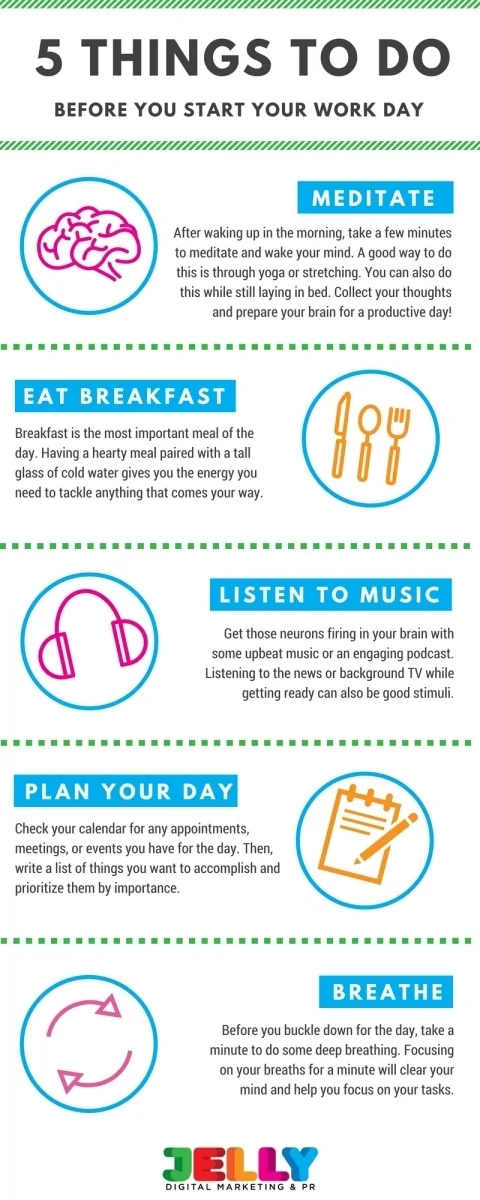
Begin by identifying your priorities and the outcomes you want from your morning routine. If improving focus at work is a goal, incorporating planning or journaling might be effective. For wellness-focused mornings, consider adding gentle exercise or hydration. Aligning your activities with clear intentions ensures that each step you take serves a purpose. Start with a few manageable tasks rather than overwhelming yourself with a long list, as this approach increases the likelihood of consistency.
Building Seamless Transitions Between Tasks
Rather than rushing from one activity to the next, design your routine to flow naturally. For instance, after drinking a glass of water, you might move into stretches, followed by a moment of quiet reflection or goal setting. Smooth transitions reduce cognitive load and help maintain a calm mindset. Consider the logical sequence of activities and how they can complement one another, creating a routine where each step prepares you for the next without causing stress.
Timing Tips for Stress-Free Execution
Assign realistic time frames to each part of your routine to avoid rushing or feeling pressured. Experiment with waking up earlier if your current schedule feels cramped. Allowing extra time for preparation and unexpected delays can reduce anxiety. Building buffer periods between morning tasks helps keep you on track while accommodating variations in energy or mood. Ultimately, a flexible timing structure respects your personal pace and keeps your routine sustainable.
Incorporating Mindfulness and Relaxation Techniques
Simple Meditation Practices for Beginners
Introducing mindfulness into your morning routine can enhance focus and reduce stress. For beginners, starting with brief guided meditations or focused breathing for just a few minutes provides a gentle way to cultivate awareness. These practices help center the mind, improve emotional regulation, and create space from the usual rush. Over time, meditation can become a calming foundation that improves overall mental clarity throughout the day.
Breathing Exercises to Reduce Morning Anxiety
Breathing techniques are accessible tools to manage early morning tension. Practices such as diaphragmatic breathing or box breathing involve slow, deliberate inhalations and exhalations that activate the body’s relaxation response. Incorporating these exercises shortly after waking can lower heart rate and calm the nervous system, setting a peaceful tone that diminishes stress before tackling daily tasks.
Technology and Tools to Enhance Your Morning
Apps for Tracking and Maintaining Routine Consistency
Modern technology offers a variety of apps designed to help maintain consistency in your morning routine. Habit-tracking apps provide visual progress reports and reminders, which can boost motivation. Some apps also include customizable routines and integrate with calendars to streamline scheduling. Using these tools thoughtfully can support the development of new habits by making it easier to stick to your plan without feeling overwhelmed.
Using Alarms and Reminders Effectively
Beyond simply waking you up, alarms and reminders can serve as gentle nudges throughout your morning. Setting multiple alarms for different routine activities helps ensure that you don’t lose track of time. To avoid stress, choose alarm sounds that are soothing rather than jarring. Additionally, scheduling reminders for meditation or hydration encourages consistency without requiring constant mental effort to remember tasks.
Adjusting Your Morning Routine for Different Lifestyles
Morning Routines for Parents
Parents often face unique challenges in carving out time for themselves during hectic mornings. Successful routines in these cases focus on flexibility and include elements that can integrate family needs. For example, incorporating a few minutes of quiet time before children wake or combining light exercise while supervising kids’ activities can be effective. Prioritizing simplicity and realistic expectations helps maintain balance without adding undue pressure.
Morning Tips for Remote Workers
Remote workers benefit from routines that clearly delineate the start of the workday to combat the blur between home and office life. Establishing consistent wake-up times and transitioning through activities like breakfast, light movement, or journaling creates mental readiness for professional tasks. Additionally, setting up a designated workspace early in the day reinforces a productive mindset and minimizes distractions.
Adapting Routines for Early Risers vs. Night Owls
Understanding whether you naturally feel more alert in the morning or evening can guide how you shape your routine. Early risers might maximize their morning with more intensive focus tasks and physical activity, while night owls can plan gentler starts focusing on relaxation and gradual awakening. Tailoring routines according to your natural rhythm helps reduce resistance and improve engagement with chosen activities.
Evaluating and Improving Your Morning Routine Over Time
Signs Your Routine Needs a Refresh
Even well-crafted routines can lose effectiveness if they become monotonous or misaligned with evolving goals. Indicators such as consistently feeling rushed, lacking motivation, or experiencing increased stress suggest it’s time to revisit your morning plan. Pay attention to shifts in your lifestyle or energy patterns that may require adjustments to keep your routine supportive and energizing.
Strategies for Sustainable Routine Changes
When modifying your routine, focus on gradual improvements rather than drastic overhauls. Introduce one change at a time and observe how it affects your day. Keeping a journal or notes on your experience can guide thoughtful refinements. Emphasizing flexibility and kindness to yourself throughout this process fosters sustainable habits that evolve naturally, rather than imposing rigid structures that may lead to burnout.


