
Introduction to Chair-Based Mobility Exercises for Seniors
As we age, maintaining mobility becomes increasingly important for independence and quality of life. Chair-based mobility exercises offer a gentle, accessible way for elderly beginners to improve flexibility and reduce stiffness without the need to stand or strain. These exercises cater specifically to seniors who may have limited balance or strength, providing a safe alternative to traditional workouts.
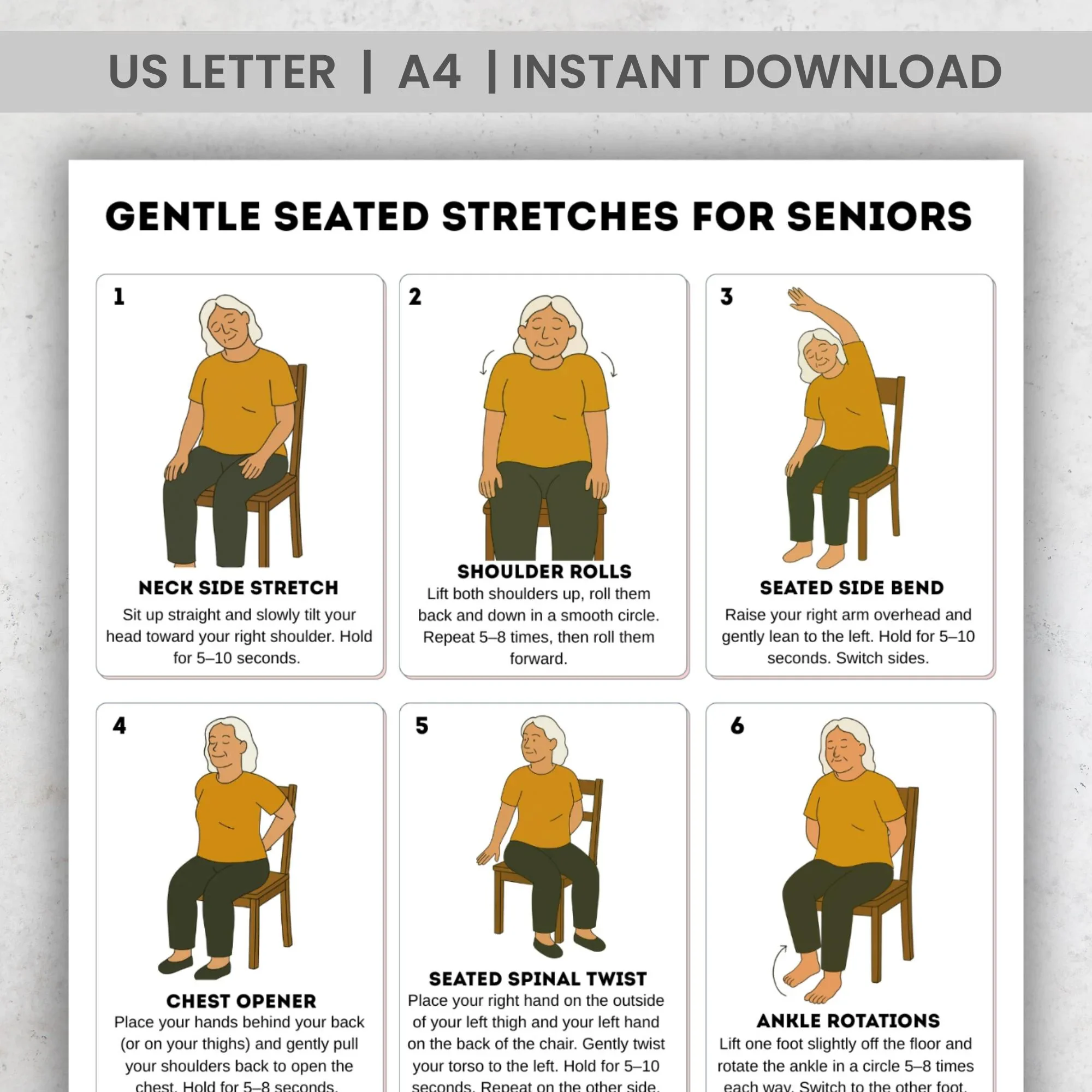
Engaging in regular mobility routines while seated not only enhances joint movement but also encourages circulation and overall well-being. This article explores simple chair exercises designed to ease stiffness and promote flexibility for older adults just starting their fitness journey.
Understanding Stiffness in the Elderly
Common Causes of Stiffness
Stiffness often develops due to several factors associated with aging. Reduced physical activity leads to muscle tightness and joint immobility. Arthritis and other chronic conditions exacerbate discomfort and limit movement. Additionally, natural wear and tear on cartilage and connective tissues contribute to decreased flexibility. Awareness of these underlying causes helps tailor exercises to address specific stiffness-related challenges safely.
Benefits of Regular Mobility Exercises
Consistent movement combats stiffness by keeping muscles and joints active. Improved flexibility reduces the risk of falls and injuries, while enhanced circulation supports tissue health. Chair-based exercises can also alleviate pain, improve posture, and boost mental well-being through increased independence. Over time, these benefits combine to elevate daily function and overall quality of life for seniors.
Preparing for Chair-Based Exercises
Safety Precautions
Safety is paramount when introducing mobility exercises. Seniors should consult their healthcare provider before starting any new routine, especially if they have existing health concerns. Ensure the exercise area is free from hazards and the chair is stable. Begin slowly and stop if any pain or discomfort arises. Using slow, controlled movements minimizes the risk of injury and encourages proper form.
Choosing the Right Chair
Select a sturdy chair with a straight back and no wheels. Chairs with armrests can provide additional support and balance. The seat should be firm yet comfortable, allowing feet to rest flat on the floor. Avoid overly soft or swivel chairs to maintain stability during exercises. Proper chair choice ensures comfort and maximizes the effectiveness of mobility movements.
Top 7 Easy Chair-Based Mobility Exercises
Neck and Shoulder Rolls
Start by gently rolling your neck in slow circles, then switch directions. Follow with shoulder rolls to release tension. These movements warm up the upper body and reduce stiffness in commonly tight areas.
Seated Leg Lifts
While seated, slowly lift one leg at a time, holding briefly before lowering. This exercise strengthens thigh muscles and enhances hip flexibility, promoting better mobility when standing or walking.
Arm Circles
Extend arms sideways and rotate them in slow, controlled circles. This helps loosen shoulder joints and improves range of motion, important for everyday tasks like reaching and lifting.
Hip Marching
Lift each knee alternately as if marching, keeping your upper body steady. This movement engages hip flexors and improves coordination while seated.
Ankle Rotations
Lift one foot slightly off the floor and rotate the ankle clockwise and counterclockwise. This exercise enhances ankle flexibility and promotes circulation in the lower legs.
Seated Side Stretches
Reach one arm over your head and lean gently to the opposite side, feeling a stretch along the torso. Alternate sides to increase spinal flexibility and relieve tension.
Wrist Flexes and Extensions
Extend your arms forward and gently bend your wrists up and down. This helps maintain hand and wrist mobility, important for grip and fine motor skills.
How to Integrate Chair Exercises into Daily Routine
Setting Realistic Goals
Begin with short sessions, aiming for five to ten minutes daily. Gradually increase duration and repetition as comfort grows. Setting achievable goals prevents discouragement and encourages consistency.
Tracking Progress and Staying Motivated
Keep a simple journal or checklist to monitor daily exercise completion and note improvements in flexibility or comfort. Celebrate small milestones. Social support or group classes can also inspire continued participation and accountability.
Additional Tips for Managing Stiffness Beyond Exercise
Complement chair exercises with proper hydration and balanced nutrition to support joint health. Using heat packs or warm baths may relieve muscle tension. Maintaining good posture throughout the day minimizes strain, while regular movement breaks can prevent stiffness from prolonged sitting. Consulting healthcare professionals for personalized advice ensures a comprehensive approach to managing stiffness.
Conclusion
Chair-based mobility exercises offer a practical solution to reduce stiffness for elderly beginners. These gentle movements support joint health, enhance flexibility, and foster independence. Prioritizing safety and consistency enables seniors to integrate these exercises effectively into their daily lives. With small, steady steps, improved mobility and comfort are well within reach.


