
Understanding Hydration: More Than Just Water
The Importance of Staying Hydrated
Many people associate hydration solely with drinking plain water, but staying hydrated is about maintaining the proper balance of fluids in the body. Adequate hydration is essential for regulating body temperature, supporting digestion, and ensuring that cells function effectively. When the body lacks sufficient fluids, it can lead to fatigue, headaches, and impaired concentration, which interfere with daily activities. Recognizing the importance of hydration beyond just water highlights why it’s critical to consider other fluid sources and strategies to keep hydrated.
How the Body Uses Fluids
The body relies on fluids to transport nutrients, flush out toxins, and maintain the lubrication of joints. Fluids are also crucial in the regulation of bodily functions such as blood circulation and temperature control through sweating. When the body loses fluids through activities like exercise or exposure to heat, replenishing these fluids is necessary to prevent dehydration. However, relying solely on plain water might not always meet all of the body’s hydration needs, especially since some fluids also provide electrolytes and nutrients vital for proper hydration.
Alternative Hydration Sources to Plain Water
Fruits and Vegetables with High Water Content
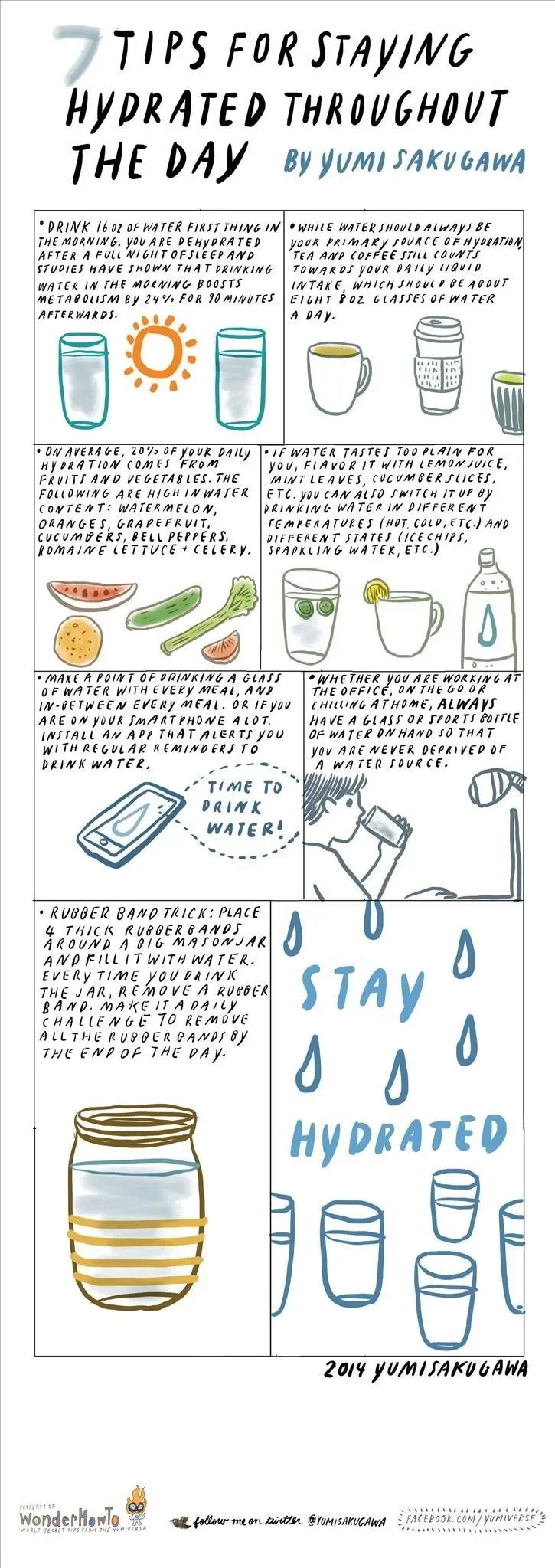
One of the challenges in staying hydrated without drinking plain water is ensuring adequate fluid intake through other means. Many fruits and vegetables naturally contain high percentages of water, making them excellent hydration sources. For example, watermelon, cucumbers, oranges, and strawberries are over 90% water and deliver hydration along with essential vitamins and minerals. Including these foods in your diet can help maintain fluid balance while also providing nutritional benefits that plain water alone cannot offer.
Herbal Teas and Infusions
Herbal teas and infusions are a flavorful way to increase fluid intake without turning to plain water. They are typically caffeine-free and can be enjoyed hot or cold, making them suitable throughout the year. Common options like chamomile, peppermint, or rooibos teas contribute to hydration and can have added benefits such as soothing digestion or reducing stress. It’s important to choose unsweetened varieties or prepare them at home to avoid excess sugars that counteract hydration.
Broths, Soups, and Hydrating Beverages
Broths and soups serve as substantial hydration sources, especially in colder climates or seasons. They not only supply fluids but also offer electrolytes and nutrients which aid in maintaining hydration. Similarly, beverages like coconut water contain natural electrolytes like potassium and magnesium, helping to replenish what the body loses through sweat. These alternatives enhance hydration strategies but should be consumed mindfully, as some commercial products may contain added sodium or sugars that can affect overall health.
Creative Ways to Boost Hydration Throughout Your Day
Incorporating Hydrating Foods into Every Meal
One practical barrier to hydration is forgetting to drink fluids regularly. Integrating hydrating foods into every meal can help overcome this issue naturally. Starting the day with a fruit smoothie or a salad featuring water-rich vegetables ensures consistent fluid intake. Using cooking methods that preserve water content, such as steaming or raw preparations, further supports hydration. These small but intentional shifts make hydration more achievable without relying exclusively on drinking plain water.
Flavored Water Ideas Without Added Sugar
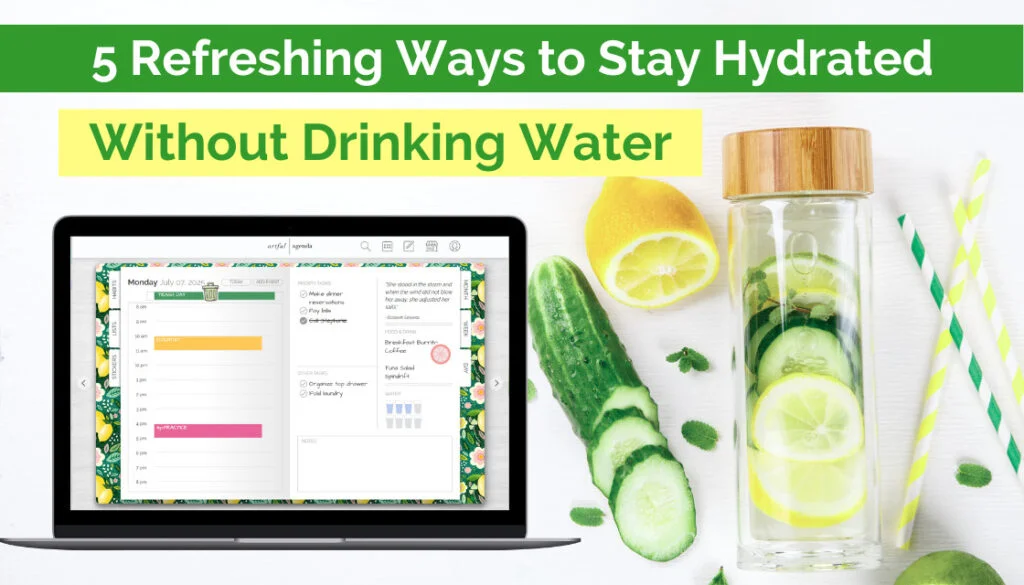
Some people find plain water monotonous, which leads to inadequate consumption. Infusing water with natural flavors by adding slices of cucumber, lemon, or fresh herbs like mint provides variety without adding sugar or calories. This subtle enhancement can make hydrating more enjoyable and help establish a daily drinking habit. Avoiding artificial sweeteners or sugary additives is crucial as they can have negative effects on hydration and overall health.
Using Electrolyte-Enhanced Drinks Wisely
Electrolyte-enhanced drinks can be useful for replenishing minerals and maintaining hydration, especially during intense physical activity or heat exposure. However, overreliance on commercial sports drinks may lead to excessive sugar intake. Choosing low-sugar or homemade electrolyte solutions is a better option to support hydration without added calories. Understanding when these drinks are necessary, such as after prolonged exercise or illness, prevents misuse and promotes effective fluid balance.
Practical Daily Habits for Maintaining Adequate Hydration
Setting Reminders and Hydration Rituals
One common problem in staying hydrated is simply forgetting to drink fluids regularly. To counteract this, setting reminders on a phone or watch can prompt you to take small sips throughout the day. Establishing hydration rituals, such as drinking a glass of water before each meal or after restroom breaks, creates a routine that supports consistent fluid intake. These habits contribute to avoiding dehydration without relying on large quantities of plain water all at once.
Hydration for Different Activity Levels
The level of physical activity significantly impacts hydration needs. Sedentary individuals may maintain hydration with lower fluid intake, while athletes or people with physically demanding jobs require increased hydration strategies. Planning hydration around activity schedules, such as drinking hydrating beverages before, during, and after exercise, helps maintain electrolyte balance and prevents dehydration-related performance decline or health issues. Tailoring hydration efforts to your daily activity minimizes risks and supports overall well-being.
Seasonal Adjustments and Environmental Considerations
Environmental factors like temperature and humidity affect fluid loss. Hot and dry climates increase sweat rates, requiring more aggressive hydration strategies beyond just drinking water. In colder weather, people often feel less thirsty and unintentionally reduce fluid intake, increasing dehydration risk. Adjusting hydration habits seasonally—incorporating warm hydrating soups in winter or cool infused beverages in summer—aligns fluid intake with environmental demands and keeps the body properly hydrated throughout the year.
Recognizing Dehydration and When to Seek Help
Despite best efforts, dehydration can occur if hydration needs are unmet. Early signs include dry mouth, dark urine, dizziness, and fatigue. Ignoring these symptoms may lead to more serious conditions such as heat exhaustion or kidney problems. If symptoms worsen or do not improve after increasing fluid intake, it’s important to seek medical advice promptly. Monitoring hydration status regularly and responding to signs early prevents complications and reinforces the importance of consistent hydration practices.


