
Introduction to Low Impact Strength Training at Home
Strength training is a crucial component of a balanced fitness routine, helping to build muscle, improve bone density, and boost metabolism. For beginners, particularly those who prefer gentle, joint-friendly workouts, low impact strength training at home offers an accessible and effective solution.
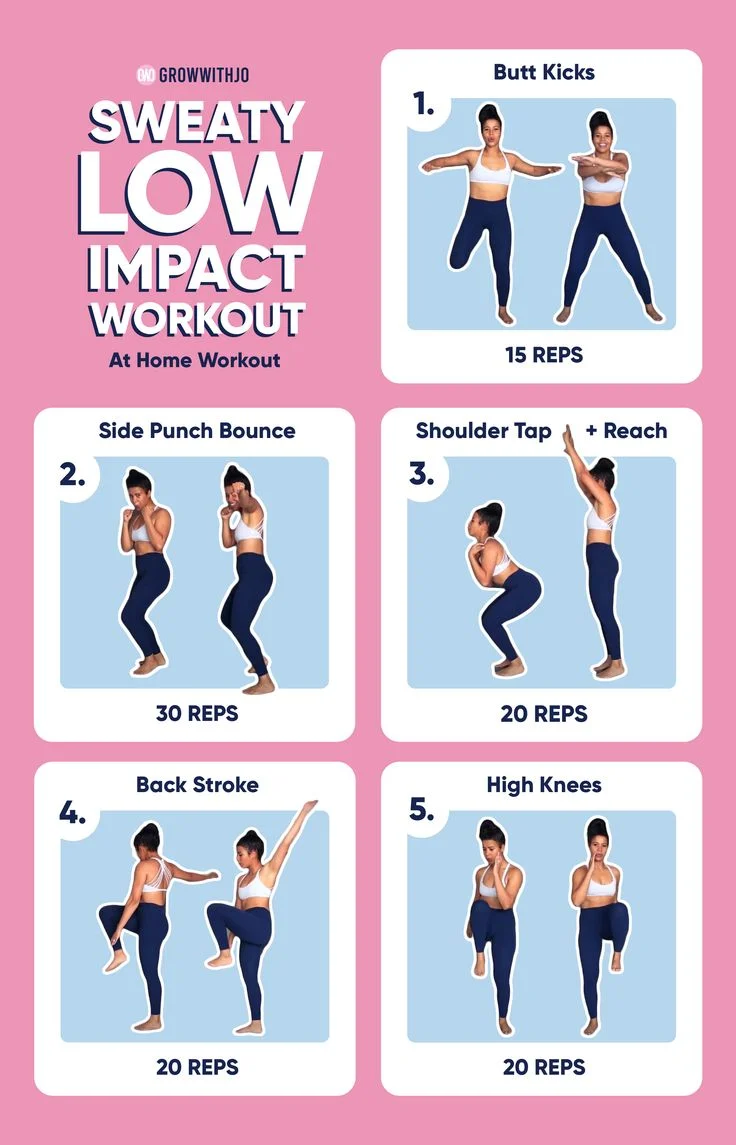
This approach eliminates the need for expensive gym memberships or specialized equipment, making fitness both convenient and affordable.
Benefits of Using Household Items
Using common household items for strength training unlocks several benefits. These items are readily available and adaptable for many exercises, allowing for a personalized workout experience. Moreover, this approach encourages creativity and practicality, turning everyday objects into valuable fitness tools without the intimidation of gym machines.
With household items, you can gradually increase resistance and challenge your muscles safely, which is particularly useful for beginners easing into strength training.
Who Should Try Low Impact Exercises?
Low impact strength training is ideal for individuals new to exercise, older adults, or anyone with joint sensitivities or mobility restrictions. It also suits those recovering from injuries who need a gentle yet effective way to rebuild strength and endurance. Because these exercises minimize stress on the joints, they provide a safer, more comfortable path to fitness progress.
Preparing for Your Strength Training Routine
Before jumping into exercises, preparation plays a key role in ensuring your workouts are effective and enjoyable. Setting up the right environment and routine foundation enhances your motivation and safety.
Choosing the Right Space in Your Home
Select an area in your home where you can move freely without obstructions. This space should have a flat, non-slip surface and enough room to stretch and perform various movements comfortably. Good lighting and ventilation will create a pleasant atmosphere that keeps you energized and focused throughout your training sessions.
Essential Warm-Up Exercises
Warming up prepares your body by gradually increasing blood flow to muscles and loosening joints. Begin with light cardio such as marching in place or gentle arm circles for 3 to 5 minutes. Follow this with dynamic stretches, like leg swings or shoulder rolls, to further activate muscles and reduce the risk of injury during your strength exercises.
Top 5 Household Items for Strength Training
Transforming everyday household objects into exercise equipment enables a full-body workout with minimal cost or complexity. Here are five versatile items that can enhance your strength training sessions.
Water Bottles as Dumbbells
Filled water bottles serve as excellent lightweight dumbbells. Their size and shape make them easy to grip, perfect for performing bicep curls, shoulder raises, or tricep extensions. Start with smaller bottles and increase the weight by using larger containers as your strength improves.
Chairs for Support and Stability
A sturdy chair can assist with balance during standing exercises or serve as a prop for seated workouts. It is particularly helpful for squat variations, seated leg lifts, or even modified push-ups. Ensure the chair does not slide by placing it on a non-slip surface.
Resistance Bands Alternatives
If you don’t have resistance bands, consider using thick elastic hair ties or fabric bands tied securely to mimic their resistance properties. These alternatives can support pulling and stretching movements, providing gentle resistance to strengthen muscles progressively.
Towels for Stretching and Resistance
Towels add versatility by functioning both as resistance tools and aids for stretching. You can hold a towel taut while performing pulling exercises or use it to assist in stretches, improving flexibility and muscle engagement without strain.
Backpacks Filled with Books for Added Weight
A backpack loaded with books or cans offers increased resistance to exercises like deadlifts and squats. This simple weight addition helps your muscles work harder, promoting strength gains in a controlled manner. Always ensure the load is balanced and manageable to avoid injury.
Beginner-Friendly Low Impact Strength Exercises
Incorporating these exercises into your routine allows you to build strength safely, especially when starting out with low impact movements using household items.
Squat Variations Using a Chair
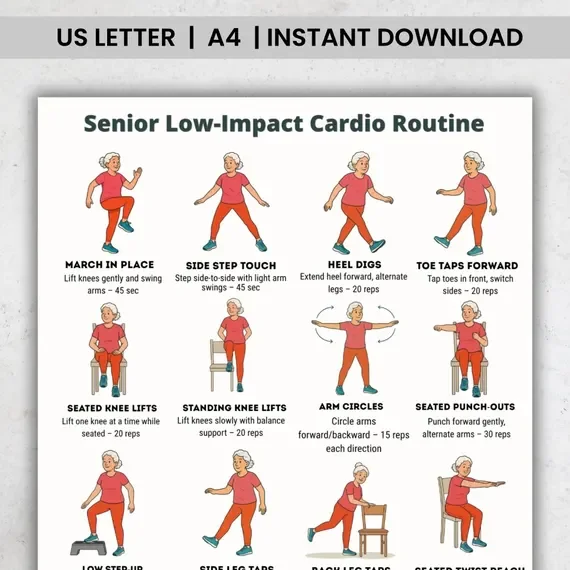
Begin by standing in front of a chair with feet shoulder-width apart. Slowly lower your hips to gently touch the chair, then stand back up, using the chair for support if needed. This helps maintain proper form and reduces strain on the knees. You may hold water bottles to add gentle resistance.
Seated Rows with Towels
Sit on the floor with legs extended and loop a towel around the soles of your feet. Holding each end, pull the towel towards your waist, squeezing your shoulder blades together. This exercise targets the upper back and arms with minimal joint stress.
Wall Push-Ups for Upper Body Strength
Stand a few feet from a wall and place your hands at shoulder height. Slowly bend your elbows to bring your chest closer to the wall, then push back to the starting position. This modification of traditional push-ups is gentle on the wrists and shoulders while building chest and arm strength.
Step-Ups on Sturdy Surfaces
Use a low, stable surface like a step or bottom stair to perform step-ups, alternating legs. This movement enhances leg strength and balance. Holding water bottles can increase the challenge as you progress.
Deadlifts with Backpack Weights
With your loaded backpack placed in front, stand with feet hip-width apart. Keeping your back straight, bend at the hips and knees to grasp the backpack handles, then stand up by extending your hips and knees. This exercise strengthens the lower back, glutes, and hamstrings without heavy lifting.
Creating a Weekly Workout Plan
Consistency is key for progress, but structure within your routine ensures adequate recovery and prevents burnout. Designing a balanced weekly plan supports muscle growth and overall fitness improvement.
Balancing Strength and Rest Days
Aim to perform strength training exercises two to three times per week, allowing at least one rest day between sessions. On rest days, incorporate light activities such as walking or stretching to promote circulation and reduce muscle soreness.
This balance helps your body rebuild stronger while minimizing fatigue or injury risk.
Progress Tracking Tips for Beginners
Keep a simple log noting exercises, repetitions, and any weights used. Tracking your progress helps maintain motivation and highlights improvements over time. Adjust repetitions or resistance as you grow stronger to continuously challenge your muscles safely.
Safety Tips and Modifications
Prioritizing safety ensures that your low impact strength routine is effective without compromising well-being. Understanding how to modify exercises and protect your body is essential for success.
How to Prevent Injury
Always warm up before starting your workout and pay close attention to your form. Use slow, controlled movements to avoid jerking or overextending joints. If you feel pain beyond normal muscle fatigue, stop and reassess your technique or the weight being used. Hydrate well and wear supportive footwear for added stability.
Modifying Exercises for Different Fitness Levels
Beginners may start with fewer repetitions or lighter weights, while those more experienced can increase intensity by adding resistance or volume. Exercises can be made easier by reducing range of motion or using additional support, such as holding onto a chair. Listening to your body and progressing gradually prevents setbacks and encourages long-term adherence.


