
Understanding the Importance of Screen-Free Sibling Interaction
Benefits of Playing Together Without Screens
Screen-free play encourages siblings to engage directly with each other, fostering communication and empathy. This type of interaction helps build stronger emotional bonds and improves social skills. When children play together without screens, they exercise creativity and problem-solving abilities, which are essential for healthy development. Such engagement also promotes physical activity, which is often limited during screen time.
Challenges of Reducing Screen Time
In today’s digital world, screens are deeply integrated into daily routines, making it difficult to reduce usage. Children may resist screen-free activities due to the instant gratification and stimulation screens provide. Sibling rivalry and differing interests can also discourage cooperative play. Parents might struggle to find the right balance between allowing screen time and encouraging alternative activities.
Creating an Engaging Play Environment
Setting Up a Dedicated Play Area
A designated play space signals to children that this is a place for fun and interaction. It should be inviting, safe, and free from distractions like televisions or tablets. Comfortable seating, ample lighting, and easy access to toys and games help maintain focus and enthusiasm. The area can be adapted as children grow, ensuring it remains appealing and practical.
Gathering Resources and Toys that Promote Group Play
Selecting toys and materials that encourage collaboration is key. Board games, building sets, puzzles, and role-playing kits inspire teamwork and shared goals. Avoid toys that promote solitary play to keep siblings engaged with each other. Rotating toys periodically keeps the environment fresh and prevents boredom.
Strategies to Motivate Siblings to Play Together
Encouraging Cooperative Games and Activities
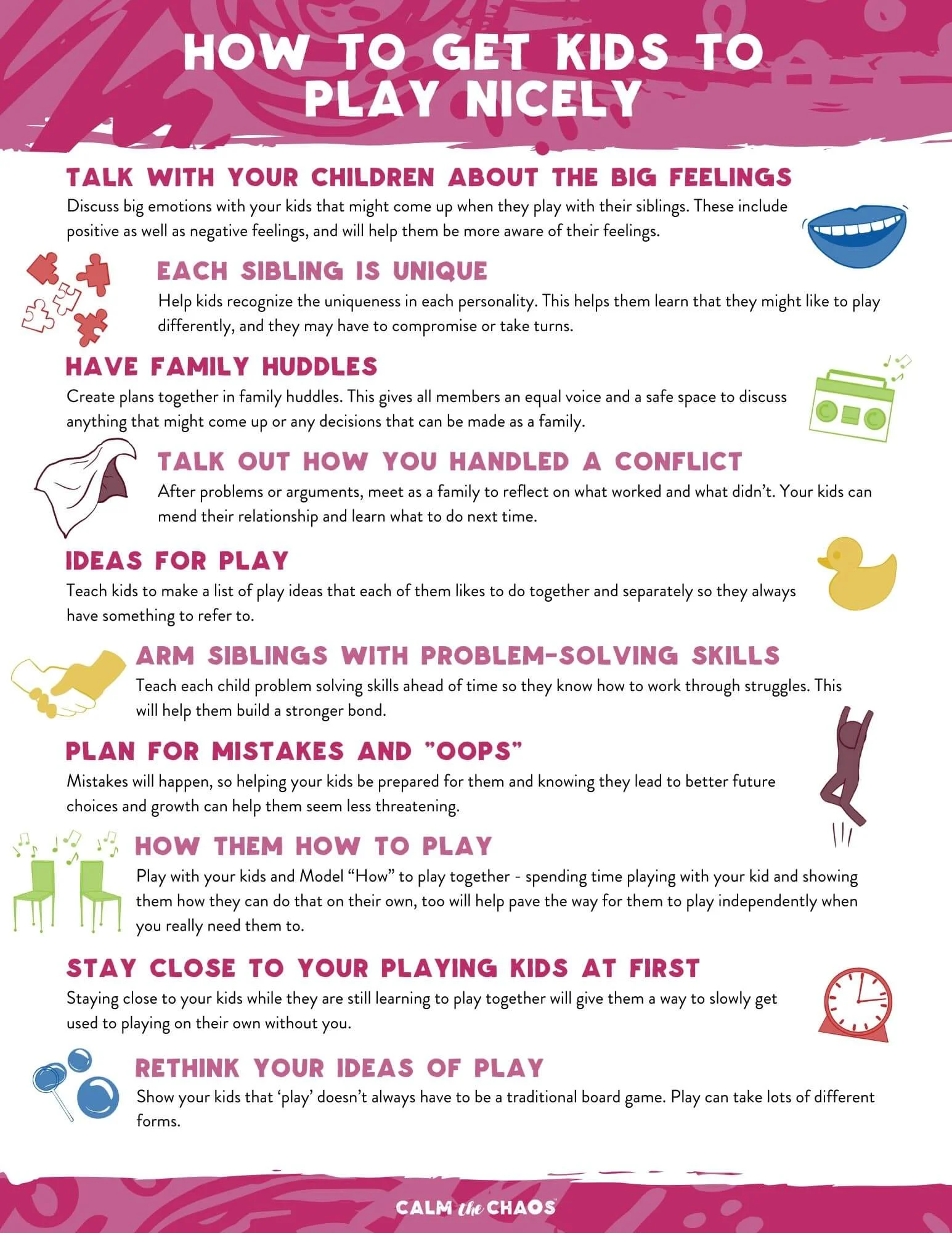
Cooperative games require siblings to work as a team, promoting communication and mutual support. Activities such as treasure hunts, storytelling, or building projects can captivate their interest. Choosing activities that accommodate different ages and interests helps maintain participation from all siblings.
Establishing Routine Playtime Traditions
Setting consistent times for screen-free play creates predictability and builds anticipation. Whether it’s a daily after-school activity or a weekend ritual, routines help normalize shared play. Rituals like family game night or craft afternoons can become cherished moments that siblings look forward to.
Using Positive Reinforcement and Rewards
Recognizing and celebrating cooperative behavior motivates children to continue playing together. Simple praise and encouragement are effective, while reward systems can be useful if applied thoughtfully. It’s important that rewards focus on effort and teamwork rather than competition or winning.
Addressing Common Conflicts During Play
Teaching Conflict Resolution Skills
Disagreements are natural, but guiding siblings to resolve conflicts calmly is essential. Parents can model respectful communication and help children express their feelings clearly. Teaching problem-solving steps, like taking turns or finding compromises, builds lifelong interpersonal skills.
Managing Age and Interest Differences
Age gaps and varying interests can cause friction during play. Offering activities with flexible roles or adjustable rules helps accommodate different abilities. Encouraging empathy by valuing each child’s preferences fosters understanding and reduces frustration.
Role of Parents in Facilitating Screen-Free Play
Leading by Example: Reducing Family Screen Time
Children mirror adult behavior, so a family culture that values screen-free time supports healthy habits. Parents can limit their own screen use during family time and participate in play activities. Demonstrating enthusiasm for offline interaction sets a powerful example.
Giving Children Autonomy while Providing Guidance
Allowing siblings to choose activities fosters independence and ownership of their playtime. Parents should offer suggestions and support but avoid micromanaging. Balancing freedom with gentle oversight helps children develop self-regulation and cooperation.
Monitoring Progress and Adjusting Approaches
Tracking Improvements in Sibling Interaction
Observing how siblings interact over time helps assess the effectiveness of strategies. Noticing increased cooperation, reduced conflicts, or longer play sessions indicates positive progress. Keeping a casual journal or sharing feedback in family discussions can be useful.
Adapting Activities Based on Feedback and Preferences
Children’s interests evolve, so flexibility is necessary. Parents should regularly check in with siblings about their favorite games and adjust activities accordingly. Introducing new challenges or varying routines can reinvigorate their engagement and prevent stagnation.


