
Why a Packing and Safety Checklist is Crucial for Family Road Trips
Embarking on a family road trip can be an exciting adventure, but it also requires thoughtful preparation. Creating a packing and safety checklist is essential to ensure your journey goes smoothly and safely. Without a proper checklist, it’s easy to forget important items or overlook safety measures, which can lead to stress, inconvenience, or even emergencies on the road. A well-organized checklist helps you stay organized, reduces last-minute scrambling, and enhances the overall comfort and security of your family throughout the trip.
Step 1: Assessing Your Family’s Needs
Consider Age and Special Requirements
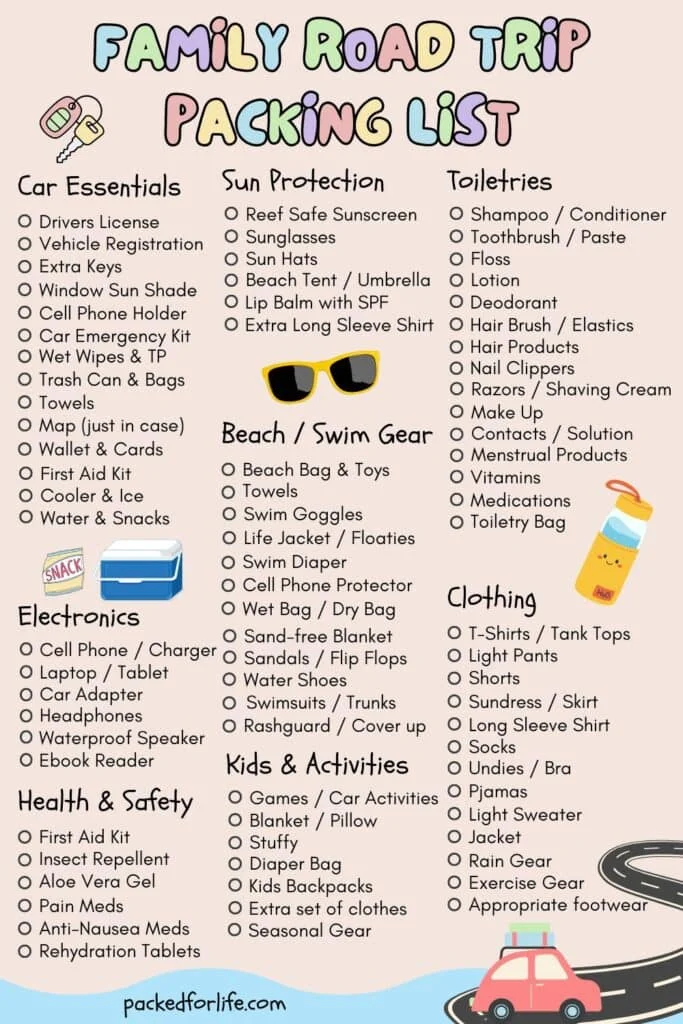
Start by evaluating who will be traveling with you. The needs of toddlers, teenagers, adults, and elderly family members vary significantly. Younger children might require diapers, bottles, or favorite toys, while older family members may need medications or mobility aids. Consider any allergies, medical conditions, or dietary restrictions that could impact your packing choices. By understanding these unique requirements upfront, you can tailor your checklist to cover all necessary items without overpacking.
Estimating Trip Duration and Destinations
The length of your road trip and the nature of your destinations directly influence what you should pack. A weekend getaway demands fewer supplies than a week-long journey across diverse climates. Think about the weather, accessibility of stores at your stops, and planned activities. For example, if you will be camping, additional gear like tents and cooking equipment becomes critical. Taking time to forecast your trip’s duration and settings ensures your checklist is both practical and comprehensive.
Step 2: Building the Packing List
Essentials for Each Family Member
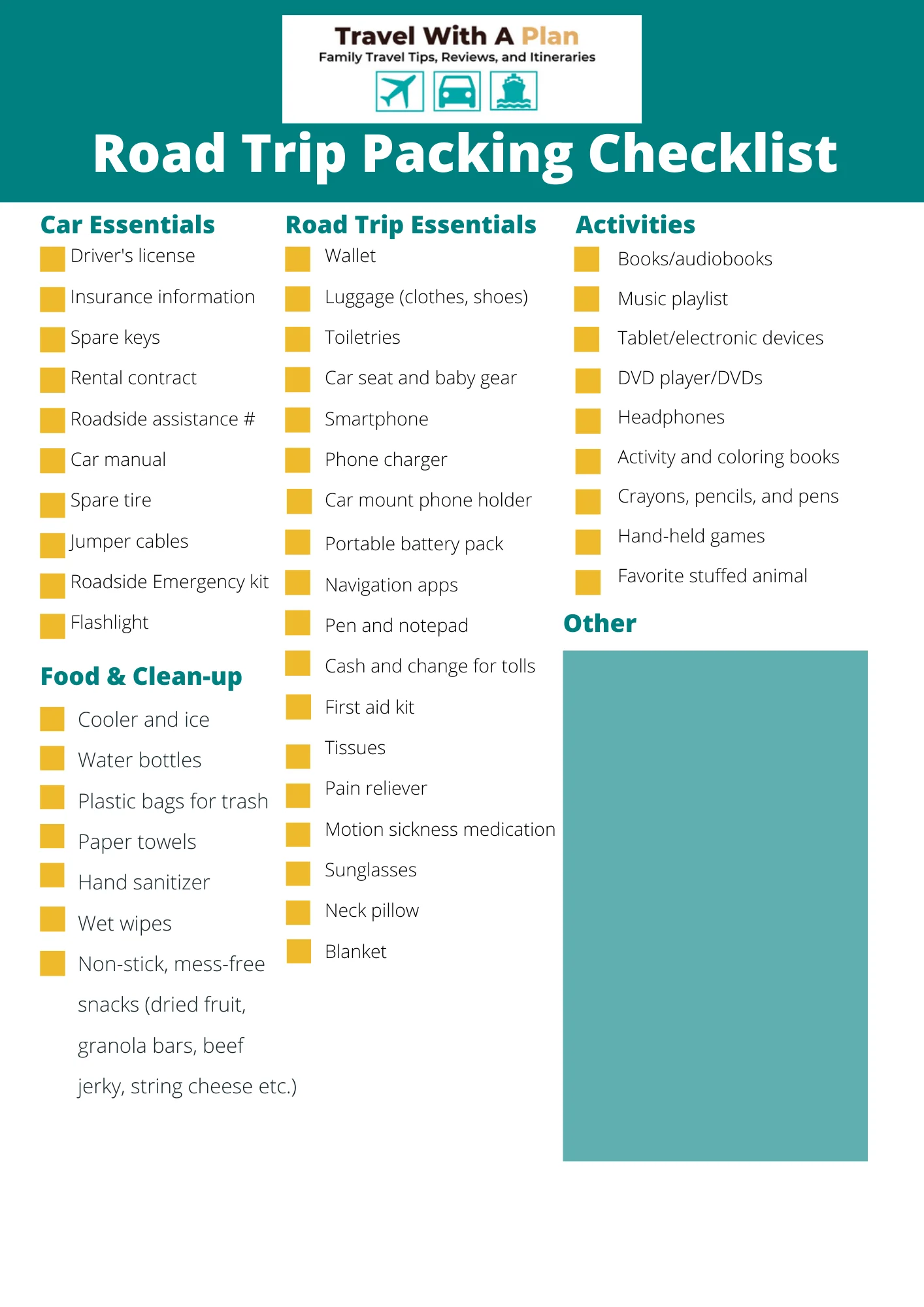
Once you understand your family’s needs and trip details, you can compile a tailored packing list. Begin with essentials such as clothing appropriate for the weather, toiletries, and any necessary medications. Each family member should have their specific items accounted for, including identification, insurance cards, and comfort items that help ease travel anxieties. Paying attention to these personalized details prevents inconvenience and helps everyone feel prepared and comfortable.
Food, Snacks, and Hydration
Road trips often involve long stretches without easy access to food stops. Pack a variety of snacks and meals that cater to all tastes and dietary needs. Include non-perishable items like granola bars, nuts, and dried fruit, alongside fresh items stored in coolers. Don’t forget to bring enough water to keep everyone hydrated, especially if you expect to travel through hot or dry areas. Thoughtful food planning not only keeps hunger at bay but also contributes to maintaining energy levels and mood during the trip.
Entertainment and Comfort Items
Keeping family members entertained and comfortable can significantly improve the travel experience. Consider packing books, tablets, games, and headphones to keep everyone engaged. Travel pillows, blankets, and sunglasses also add comfort for long hours in the car. Including these items in your checklist prepares you to handle boredom and restlessness, making the trip more enjoyable for all.
Step 3: Creating the Safety Checklist
Vehicle Preparations and Maintenance
Safety begins with ensuring your vehicle is road-ready. Before departure, check tire pressure, fluid levels, brakes, and lights. Schedule a maintenance visit if necessary. Carrying a spare tire, jack, and basic tools is also wise. Ensuring your vehicle is well-maintained helps prevent breakdowns and accidents, giving you peace of mind on the road.
Emergency Supplies to Pack
Accidents and unexpected situations can happen anytime, so packing emergency supplies is crucial. Include a first aid kit, flashlight, batteries, jumper cables, a fire extinguisher, and reflective warning triangles. It’s also helpful to have blankets and extra clothing in case of bad weather. These items prepare you to respond effectively to emergencies and protect your family until help arrives.
Safety Protocols and Contact Information
In addition to physical supplies, establish safety protocols before traveling. Share your itinerary with trusted contacts and program emergency numbers into your phone. Agree on what to do in case someone gets separated or if the car breaks down. Keeping important contact details accessible and discussing safety plans reinforces security and ensures everyone knows how to act during unforeseen events.
Step 4: Organizing and Customizing the Checklist
Using Digital Tools vs. Paper Lists
Decide on the format that works best for your family. Digital checklists on smartphones or tablets offer convenience, easy editing, and sharing capabilities, allowing you to update items on the go. Alternatively, some people prefer tangible paper lists, which can be checked off with a pen and do not rely on battery life. Whichever method you choose, the key is accessibility and ease of use to keep your planning streamlined.
Checklist Templates and Personalization Tips
Starting with a template can save time and prevent overlooking important details. Many websites offer customizable packing and safety checklist templates designed for family road trips. Use these as a foundation, but be sure to personalize them based on your family’s unique needs, trip duration, and destinations. Adding notes or categorizing items can also make your checklist more user-friendly, reducing stress during last-minute preparations.
Step 5: Reviewing and Updating the Checklist Regularly
Adapting for Different Trips
Every road trip is different, so it’s a good habit to review and adjust your checklist before each journey. As your family grows or preferences change, update your list accordingly. Consider the season, specific activities planned, and any new safety concerns. This ongoing review ensures you carry exactly what’s necessary without cluttering your vehicle with redundant or irrelevant items.
Involving the Whole Family in the Process
Involving everyone in creating and updating the checklist fosters a sense of responsibility and excitement. Children can suggest their favorite comfort items or entertainment, which helps them feel included and prepared. Discussing safety measures together also reinforces awareness and cooperation during the trip. Engaging the entire family makes packing more efficient and strengthens communication among travelers.


