
Introduction to a Distraction-Free Home Workspace
Creating a workspace at home that truly supports focus and productivity can feel challenging. Between household noises, comfort distractions, and endless digital interruptions, working from home often blurs the lines between personal and professional life. Yet, establishing a distraction-free environment isn’t just about removing noise—it’s about crafting a space that nurtures your best work habits and mindset.
Why Creating a Focused Environment Matters
A workspace designed for focus can transform your home office experience. It helps reduce stress, increases efficiency, and promotes better work quality. When your environment supports concentration, you can dive into tasks deeply and complete them with greater accuracy. This not only benefits your professional output but also enhances your overall wellbeing, preventing burnout by making work feel less chaotic and more manageable.
Common Sources of Distraction at Home
Distractions at home come in many forms—from the buzzing notifications on your phone to the constant presence of family members or pets. Even the setup of your workspace can sabotage your focus: cluttered desks, poor lighting, or uncomfortable seating can pull your attention away from tasks. Recognizing these common interruptions is the first step to minimizing their impact.
Assessing Your Current Workspace
Identifying Problem Areas
Begin by taking a critical look at your current environment. What draws your attention away? Does the TV in the background tempt you during work hours? Are there frequent interruptions from family members? Even small things like the location of your desk relative to household traffic can affect your ability to concentrate. By pinpointing these triggers, you can start to address them directly.
Tools to Analyze Your Focus Levels
There are several simple tools to help you understand how focused you truly are throughout the day. Apps that track your time usage can reveal where distractions sneak in most often. You might also try journaling your energy and concentration levels during work sessions. This reflection can highlight patterns you hadn’t noticed, such as declining focus after certain activities or times of day.
Design Principles for an Effective Home Office
Ergonomics and Comfort
Ergonomics is more than just a buzzword—it’s about creating a physical space that supports your body and prevents discomfort during long work sessions. Invest in a chair with proper lumbar support and position your monitor at eye level to reduce strain. When you’re comfortable, your mind isn’t distracted by aches or the need to constantly shift positions.
Optimizing Lighting and Airflow
Good lighting can make a huge difference in your productivity. Natural light is ideal, as it helps regulate your circadian rhythms and keeps you alert. If natural light is limited, adjustable artificial lighting that simulates daylight can help. Fresh air circulation is just as important—stale air can cause fatigue and reduce concentration. Opening a window or using an air purifier can keep your workspace fresh and inviting.
Color Psychology and Its Impact on Productivity
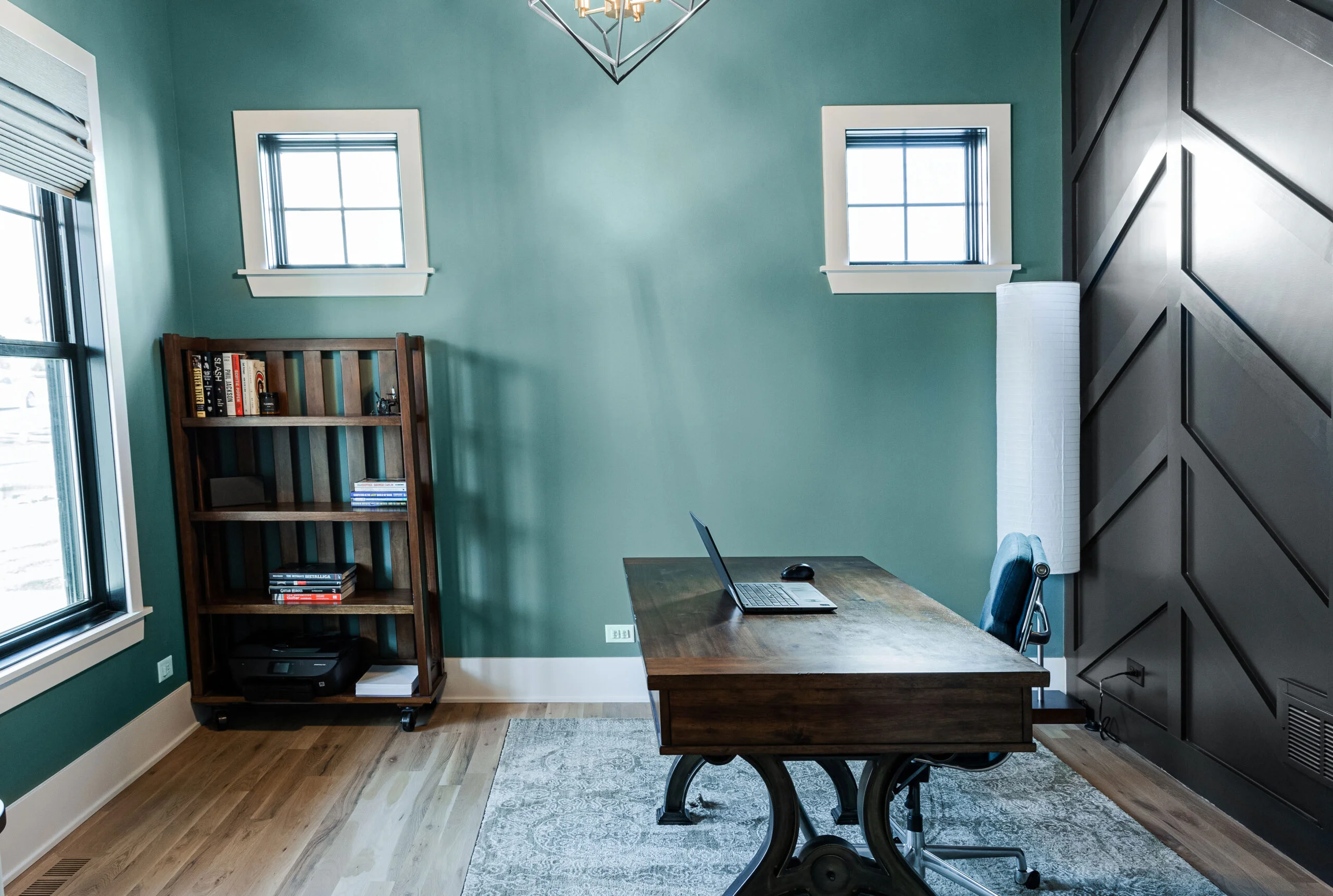
The colors in your workspace subtly influence your mood and focus. Soft blues and greens tend to calm the mind and promote concentration, while brighter colors like yellow can inspire creativity and energy. Avoid overly stimulating colors if your work requires deep focus, and consider adding touches of these hues through accessories or wall paint to enhance your environment.
Practical Steps to Minimize Distractions
Decluttering and Organizing Techniques
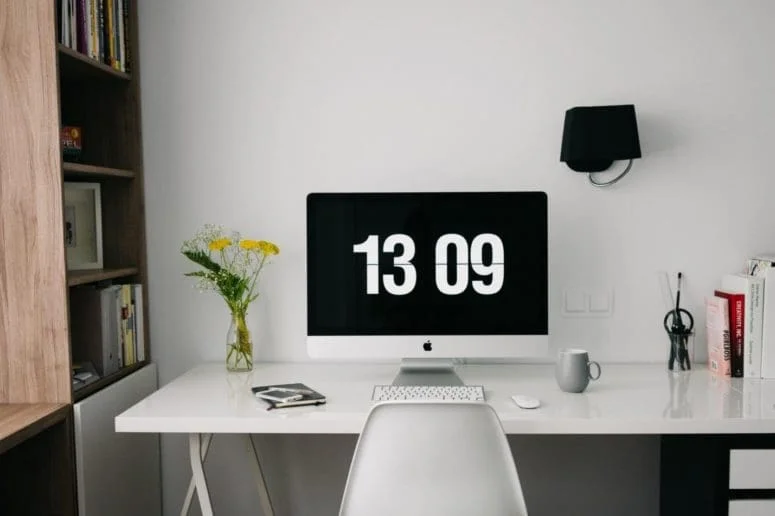
A cluttered desk often leads to a cluttered mind. Regularly tidying your workspace and organizing items where they belong can clear mental space and reduce interruptions caused by searching for things. Use drawers, shelves, and organizers to keep essentials accessible but out of sight. Simplifying your environment removes visual distractions that chip away at your focus.
Setting Boundaries with Household Members
One of the biggest challenges when working from home is managing relationships with others under the same roof. Clear communication about your work hours and the importance of minimizing interruptions can set healthy boundaries. Consider using signals like a closed door or a “do not disturb” sign during critical work periods. These small gestures help others respect your workspace and workflow.
Tech Setup: Managing Notifications and Noise
Digital distractions are notoriously difficult to avoid. Take control by customizing your notifications—turn off non-essential alerts during work hours and use focus modes available on most devices. Noise-cancelling headphones or white noise machines can drown out background sounds, helping you maintain mental clarity. Keeping your tech organized and intentionally set can dramatically improve your focus.
Maintaining Focus Throughout the Workday
Task Prioritization and Time Blocking
When your to-do list feels overwhelming, it’s easy to get distracted. Organize your tasks by priority and dedicate specific time blocks for each activity. This approach structures your day and creates clear start and end points for tasks, helping you stay on track. Over time, this rhythm trains your brain to focus during designated periods, reducing the temptation to multitask aimlessly.
Incorporating Breaks to Sustain Concentration
Though it might seem counterintuitive, taking regular breaks actually supports longer periods of focused work. Short breaks give your brain a chance to recharge, preventing fatigue and improving overall productivity. Techniques like the Pomodoro Method—working in focused bursts followed by brief rest periods—can be effective in maintaining consistent concentration throughout the day.
Conclusion: Sustaining a Distraction-Free Workspace Long-Term
Building a distraction-free workspace at home is a continuous journey rather than a one-time project. It requires regular assessment and adjustments as your circumstances change. By combining thoughtful design, clear boundaries, and mindful work habits, you create an environment where focus flourishes naturally. Over time, this space becomes not just where you work, but a place that supports your growth and success every day.


