
Introduction to Indoor Plants and Air Quality
How Indoor Plants Improve Air Quality
Indoor plants have become more than just decorative elements; they play a vital role in enhancing the air we breathe inside our homes and offices. These green companions help filter harmful toxins and pollutants, contributing to a fresher, cleaner indoor environment. By absorbing carbon dioxide and releasing oxygen, plants create a natural way to combat dryness and airborne contaminants often found in closed spaces.
Why Easy-to-Care-For Plants Matter for Beginners
For those new to gardening or simply looking for low-maintenance greenery, selecting plants that are easy to care for is essential. Plants that demand minimal attention reduce the chance of mistakes and frustration, ensuring beginners can enjoy the benefits without feeling overwhelmed. Simple care routines mean a higher likelihood that the plants will thrive, providing consistent air quality improvement and visual appeal.
Top Air-Purifying Indoor Plants for Beginners
Snake Plant: Benefits and Care Tips
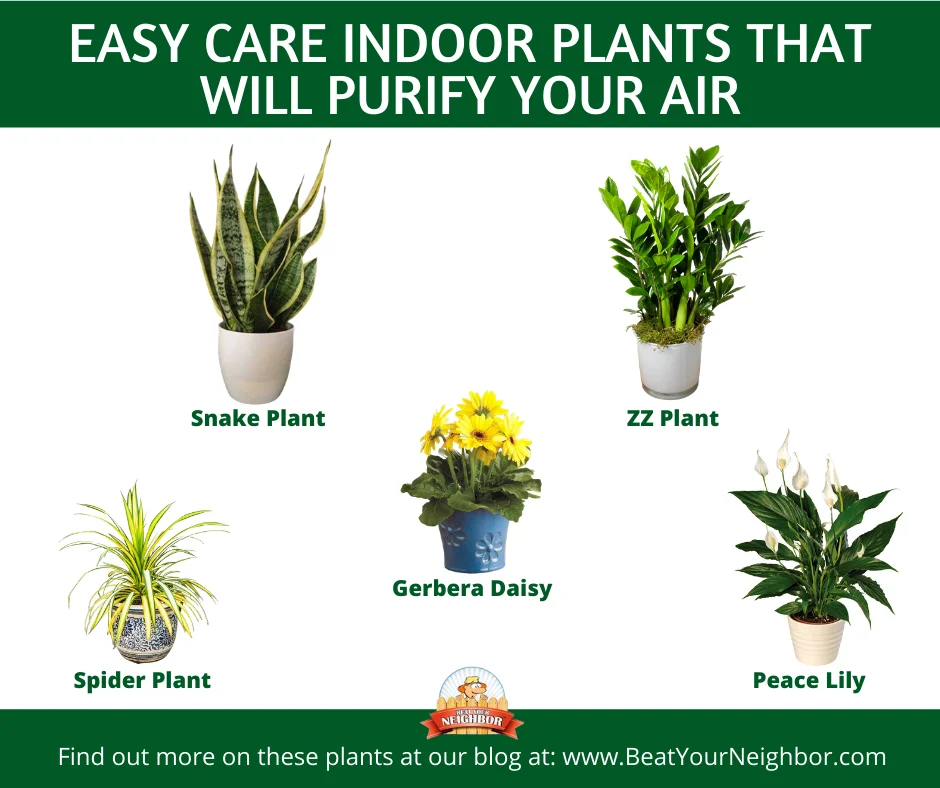
The snake plant, also known as Sansevieria, is a popular choice among indoor plant enthusiasts and beginners alike. Its striking upright leaves not only add a modern touch but also excel at filtering toxins like formaldehyde and benzene from the air. One of the snake plant’s standout qualities is its tolerance for low light and infrequent watering, making it perfect for busy or forgetful caretakers.
Spider Plant: Easy Maintenance and Air Filtering
Spider plants are well-loved for their resilience and charming arching leaves. These plants effectively remove pollutants such as carbon monoxide and nitrogen dioxide, enhancing indoor air quality. Spider plants thrive in bright, indirect light but can also adapt to less sunny spots. Their ability to bounce back from occasional neglect makes them an excellent introduction to houseplant care.
Peace Lily: Low Light and Air Purification
Known for its elegant white blooms, the peace lily is more than just a pretty face. It naturally filters airborne toxins and can flourish in low light environments, which many indoor spaces struggle with. Peace lilies prefer consistently moist soil but are forgiving enough to endure occasional drying out. Their ability to improve humidity also contributes to a healthier indoor atmosphere.
ZZ Plant: Drought Tolerance and Air Benefits
The ZZ plant is truly a powerhouse for those seeking an almost indestructible green companion. Its waxy, thick leaves tolerate drought conditions and low light, making it ideal for darker corners. Besides its robust nature, the ZZ plant supports air purification by absorbing toxins, ensuring that even the least attentive gardeners can enjoy cleaner air and greenery.
Choosing the Right Indoor Plant for Your Space
Lighting Conditions and Plant Selection
Lighting is a critical factor when choosing indoor plants. Some plants, like peace lilies and snake plants, do well in low light, while others may need bright, indirect sunlight to thrive. Understanding the natural light in your space helps you pick plants that won’t struggle. For example, a north-facing room might suit low-light tolerant species better than sun-loving ones.
Humidity Levels and Plant Compatibility
Humidity varies widely depending on climate and home conditions. Tropical plants often thrive in higher humidity but may suffer in dry environments unless additional moisture is provided. Meanwhile, plants like the snake plant and ZZ plant generally handle lower humidity fine. Assessing your home’s moisture levels can guide your plant choice for a happier, healthier plant.
Space Constraints and Plant Size Considerations
Size matters when bringing plants indoors, especially if space is limited. Compact plants like the spider plant adapt well to shelves or small pots, while larger varieties may require floor space and occasional repotting. Measuring your available space ahead of time prevents overcrowding and ensures each plant has room to grow without becoming overwhelming.
How to Care for Air-Improving Indoor Plants
Watering Routines and Common Mistakes
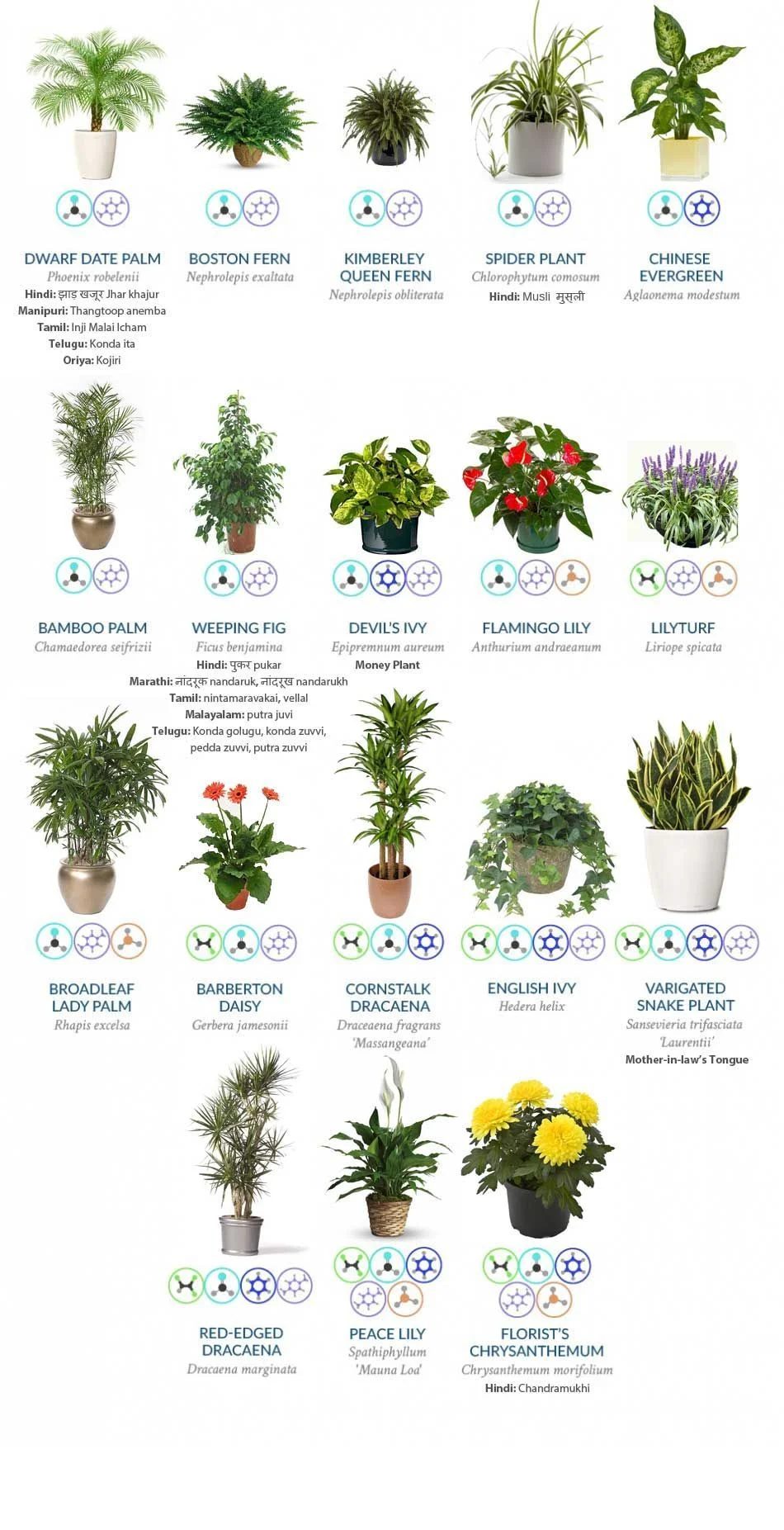
Watering is often the trickiest part of indoor plant care. Overwatering can drown roots and cause rot, while underwatering leads to wilting and leaf drop. Most air-purifying plants prefer their soil to dry out slightly between watering. Observing your plant’s leaves and soil moisture is a reliable way to gauge when watering is necessary, helping avoid common pitfalls.
Soil and Potting Tips
Choosing the right soil and pot can make a significant difference in plant health. Well-draining soil suited to the specific plant type helps prevent waterlogging. Pots with drainage holes allow excess water to escape, protecting roots. Repotting occasionally gives roots space to expand, encouraging stronger growth and sustained air-purifying benefits.
Fertilizing and Pruning Best Practices
While many indoor plants survive on minimal nutrients, a little fertilizer during the growing season can boost vitality. Using a balanced, gentle fertilizer supports healthy leaves and root development. Pruning, such as removing dead leaves or trimming overgrowth, promotes better airflow and appearance. Regular attention keeps plants thriving and maximizes their ability to refresh indoor air.
Additional Benefits of Indoor Plants Beyond Air Quality
Stress Reduction and Mental Health
Beyond their environmental perks, indoor plants contribute significantly to our well-being. The presence of greenery has been linked to reduced stress and increased feelings of calm and relaxation. Caring for plants provides a therapeutic routine that fosters mindfulness and a sense of accomplishment, enhancing mental health in subtle yet meaningful ways.
Decorative Advantages in Home and Office
Indoor plants bring life and color to any room, brightening up dull corners and adding texture to spaces. Their aesthetic appeal can complement virtually any style, from minimalist to eclectic. Incorporating the right plants not only improves air quality but also creates a welcoming atmosphere that positively influences mood and productivity.
Conclusion: Combining Air Quality Improvement with Easy Plant Care
Choosing the right indoor plants that both improve air quality and require minimal care is a rewarding way to enhance your living or work environment. Plants like the snake plant, spider plant, peace lily, and ZZ plant offer an ideal balance for beginners looking to breathe easier without the stress of demanding upkeep. By considering your space’s lighting, humidity, and size, you can create a thriving indoor garden that benefits your health and beautifies your surroundings. With simple care routines and attention to common pitfalls, anyone can enjoy the many advantages these green companions bring.


