
Understanding Mindfulness and Its Impact on Work Stress
What is Mindfulness?
Imagine Sarah, a project manager at a bustling marketing firm. Between tight deadlines and client calls, she often feels overwhelmed. One day, a colleague suggests trying mindfulness — a practice of bringing focused attention to the present moment without judgment. For Sarah, it meant pausing her racing thoughts and tuning into her breath or surroundings, rather than getting lost in worries about what’s next. Simply put, mindfulness is about being fully aware of where you are and what you’re doing, helping to reduce mental clutter.
The Science Behind Mindfulness and Stress Reduction
Research shows that mindfulness helps regulate the brain’s response to stress. When we’re stressed, the amygdala—our brain’s alarm system—lights up, triggering anxiety and tension. Mindfulness practices help calm this response, lowering cortisol levels, the hormone linked with stress. For instance, David, a software developer, noticed that after practicing brief mindfulness exercises during his day, he felt less reactive to frustrating bugs and deadlines. This improved emotional balance not only enhanced his work performance but also his overall well-being.
Quick Mindfulness Techniques You Can Do Anywhere
Breathing Exercises for Instant Calm
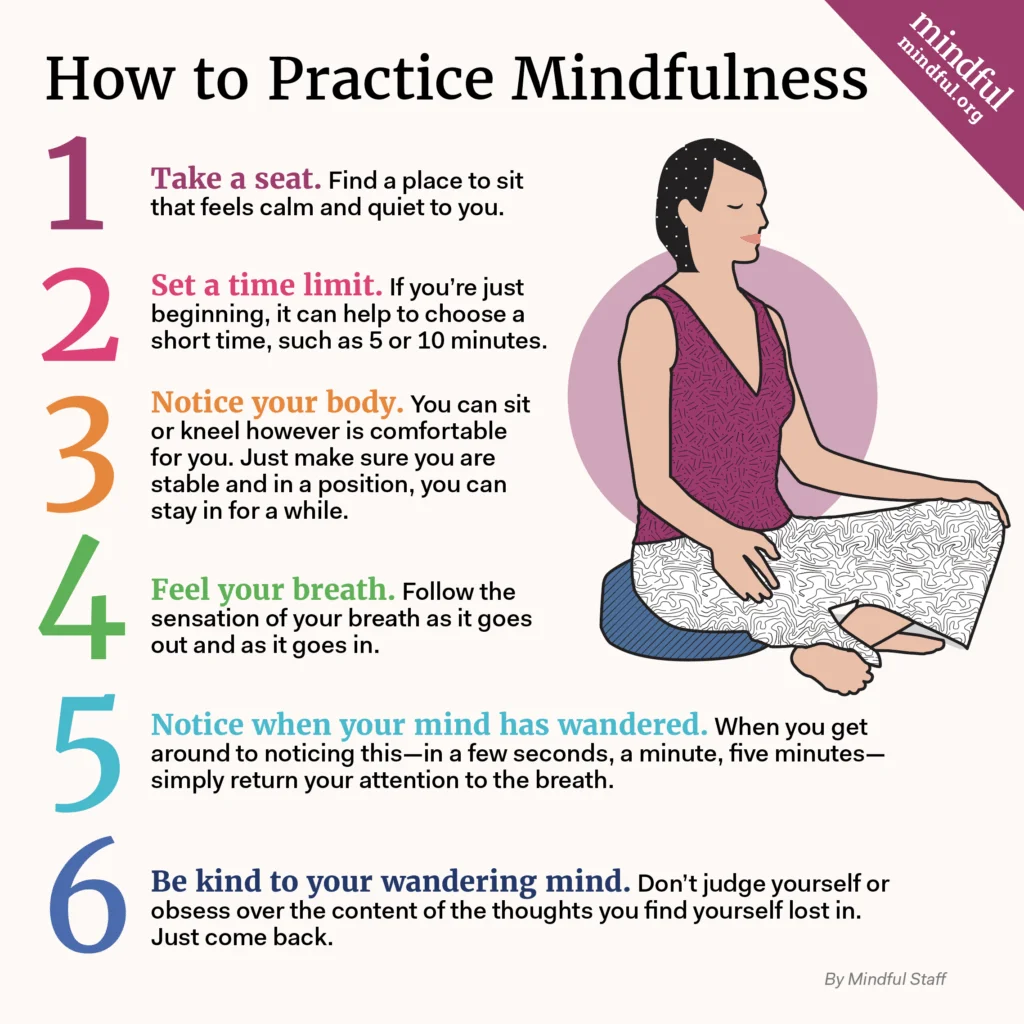
In the middle of a noisy office, it might feel impossible to find peace. However, breathing exercises offer an accessible tool to regain calm instantly. Try this: Jessica, a sales executive, when overwhelmed, closes her eyes briefly and takes five slow, deep breaths—inhale steadily through her nose, hold for two seconds, then exhale gently through her mouth. This simple method helps her reset her mood and approach her tasks more calmly, proving that even seconds devoted to focused breathing can make a difference.
Body Scan to Release Tension
Following a long video conference, Mark often finds his neck and shoulders tight. He practices a quick body scan, silently checking in from head to toe, noticing areas of tension without judgment. As he focuses on relaxing each part, he becomes more aware of his physical state and can consciously release tightness. This awareness interrupts the cycle of stress buildup that can make the workday feel heavier. The body scan, even when brief, reconnects the mind and body for better stress management.
5-Minute Guided Mindfulness Routines for the Office
Morning Mindfulness Ritual to Start Your Day Right
Starting the day with intention can set the tone for productivity and calm. Before diving into emails, Anna spends five minutes sitting quietly at her desk, focusing on her breath and setting a simple intention for the day like “patience” or “focus.” This small ritual centers her, helping her approach daily challenges with a clearer mind rather than rushing into work anxiously. Over time, this habit has reduced her overall stress and improved her concentration.
Midday Reset: Breaking Up Stress
The post-lunch slump often drags Jack down, filling him with stress and fatigue. To break this rhythm, he uses a five-minute mindful walk inside the office building. Paying attention to each step and the sensations of movement, he escapes the relentless screen glare and deadlines momentarily. This practice refreshes his focus and energy, reminding him that stepping away briefly doesn’t mean falling behind—in fact, it propels him forward with renewed vigor.
Evening Reflection to Unwind
At the end of her shift, Priya takes five minutes to reflect on her day before switching off work mode. She notes any moments of gratitude or small wins, such as successfully handling a tough client or completing a challenging report. This mindful reflection shifts her mindset from what’s left undone to what was achieved, aiding her transition from work to personal time with less residual stress.
Incorporating Mindfulness into Your Work Culture
Encouraging Mindful Breaks Among Teams
Mindfulness isn’t just an individual practice; it can thrive in a work culture too. When Carlos started suggesting short group mindfulness breaks during long meetings, his team noticed improved collaboration and less mid-afternoon burnout. Simple pauses, such as a collective deep breathing exercise or a brief moment of silent reflection, fostered a supportive environment and reminded everyone to manage stress together.
Creating a Calm Workspace Environment
Spaces significantly influence our mental state. Claire, an office manager, rearranged the common area to include plants, natural light, and fewer distractions. She also introduced a quiet corner with cushions and calming music where employees could practice mindfulness or simply take a break. This environment naturally invited moments of calm and mindfulness, contributing to reduced workplace stress and enhanced creativity.
Tools and Apps to Support Your Mindfulness Practice
For those who appreciate structure, technology can be a helpful ally. Apps such as Headspace and Calm offer brief guided mindfulness sessions tailored for busy schedules. Mike, a graphic designer, integrates a five-minute guided meditation using an app during his coffee breaks. The app’s reminders prompt him to pause and breathe, turning moments of downtime into opportunities for calm. While apps are useful, it’s important to remember they serve as aids rather than replacements for personal awareness and real-world engagement.


