
Why Upcycling Your Patio Furniture is a Smart Choice
Environmental Benefits of Upcycling
Upcycling patio furniture is more than just a trendy DIY project—it’s a meaningful way to reduce waste and lessen your environmental impact. Instead of tossing out old or worn pieces, giving them new life prevents furniture from piling up in landfills. This simple act helps conserve resources and curbs the demand for new materials, which often require energy-intensive manufacturing processes. When you upcycle, you become part of a sustainable movement that values creativity and care for the planet.

Cost Savings Compared to Buying New Furniture
One of the biggest perks of upcycling is how friendly it is to your wallet. New patio furniture can quickly add up, especially if you’re aiming for quality and style. In contrast, refurbishing what you already have—or hunting for secondhand pieces—can cut the costs dramatically. With just a few tools and some affordable materials, you can transform old furniture into something fresh and inviting. It’s all about making smart choices and maximizing what’s already in your possession.
Adding Personal Style Through DIY Projects
Beyond environmental and financial reasons, upcycling is a fantastic way to inject your personality into your outdoor space. When you take the reins, you decide every detail—from paint colors to fabric patterns and textures. This freedom means your patio won’t just look like everyone else’s; it’ll reflect your taste and creativity. DIY projects often bring a sense of pride and accomplishment, turning your outdoor area into a truly unique sanctuary.
Essential Tools and Materials for Patio Furniture Upcycling
Budget-Friendly Tools Every Upcycler Needs
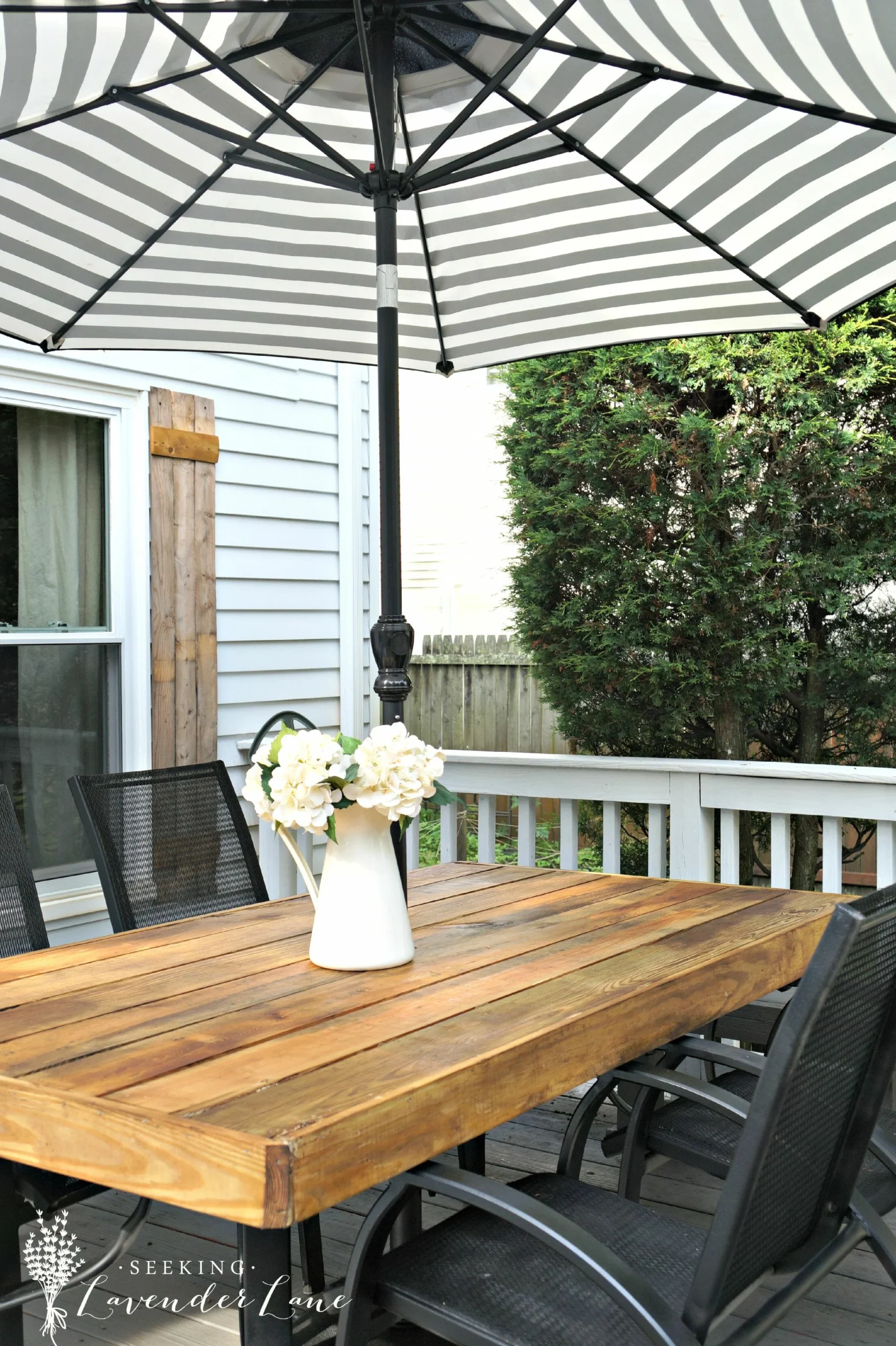
You don’t need a fully stocked workshop to start upcycling. Some basic tools can go a long way: sandpaper or an electric sander for smoothing surfaces, a good-quality paintbrush or spray paint setup, and screwdrivers or pliers for minor repairs. Even a staple gun can be useful for upholstery tasks. Investing in a few versatile tools rather than specialized ones keeps costs low while still making the job manageable and enjoyable.
Where to Source Affordable and Sustainable Materials
Materials can be budget-friendly if you know where to look. Local thrift stores, flea markets, and online marketplaces like Facebook Marketplace or Craigslist often have furniture pieces or parts begging for a makeover. Leftover paint or fabric scraps from community swaps can also be goldmines. If you’re searching for eco-conscious options, consider reclaimed wood and organic fabrics. These sources not only reduce expenses but also contribute to a sustainable lifestyle.
Step-by-Step Guide to Upcycling Different Types of Patio Furniture
Transforming Wooden Chairs and Tables
Wood pieces give you a fantastic base to work with. Start by cleaning the furniture thoroughly, removing any dirt or mold. Next, sand the surfaces gently to eliminate old finishes and create a smooth canvas. Applying a protective primer is key, especially for outdoor use. Then, paint or stain your furniture to match your desired look. Seal everything with a weather-resistant topcoat to guard against sun and rain. This process can revive even the most tired wooden sets.
Revamping Metal Frames for Durability and Style
Metal patio furniture can be surprisingly easy to transform. Begin by inspecting frames for rust or damage—treat rust spots with a wire brush and rust remover before painting. Use spray paint made for metal to ensure a durable finish that resists chipping and fading. Adding new cushions or complementary fabric accents instantly elevates the style. The key lies in preparation; a well-prepped metal surface will hold new paint better and last longer outdoors.
Creative Ideas for Repurposing Old Cushions and Fabrics
Don’t toss those worn cushions just yet—fabrics hold endless creative possibilities. If the foam is still intact, you might simply sew new covers using vibrant outdoor fabrics or upcycled textiles. Patchwork styles or painted fabric stencils add a unique flair. Alternatively, convert old cushions into floor pillows or pet beds for your patio area. This repurposing minimizes waste and adds comfort and design interest to your outdoor space.
Color and Finish Ideas to Refresh Your Patio Look
Choosing Weather-Resistant Paints on a Budget
When selecting paint for outdoor furniture, durability is just as important as beauty. Fortunately, many brands offer affordable options that resist peeling, fading, and moisture. Look for paints labeled “weather-resistant” or “exterior use.” You can mix colors to create custom shades that suit your space perfectly. A fresh coat of paint not only elevates your furniture’s appearance but also acts as a protective barrier—and it doesn’t need to break the bank.
Mixing and Matching Finishes for a Modern Appeal
Combining different finishes can bring a modern, curated vibe to your patio. Try pairing matte wooden tabletops with glossy metal legs, or contrast rough textures with smooth painted surfaces. Mixing finishes adds depth and interest without requiring expensive materials. It also lets you experiment with styles—from rustic farmhouse to sleek contemporary—making your outdoor furniture truly stand out.
Creative Upcycling Projects Beyond Furniture
DIY Plant Holders from Recycled Materials
Upcycling isn’t just for furniture. Old jars, wooden crates, or even broken pots can be turned into charming plant holders. Repurpose tin cans with a coat of rust-proof paint or use pallets to craft vertical garden walls. These unique planters add greenery and life to your patio while keeping your eco-conscious goals intact.
Outdoor Lighting Solutions Using Upcycled Elements
Lighting can transform your patio ambiance, and you can achieve it creatively by repurposing items like glass bottles, mason jars, or metal tins. String lights threaded through these upcycled holders create magical evenings without spending a lot. Solar-powered options combined with recycled materials give you energy efficiency and style wrapped into one.
Maintaining and Protecting Your Upcycled Patio Furniture
Simple Maintenance Tips to Extend Furniture Life
Once your furniture looks fresh and new, keeping it that way is crucial. Regular cleaning with gentle soapy water removes dirt and prevents buildup. Touch up paint chips as soon as you notice them to avoid further damage. Covering furniture during harsh weather or when not in use keeps materials protected and extends their lifespan. These small chores make a big difference over time.
Seasonal Care Without Breaking the Bank
Seasonal changes can be tough on outdoor pieces, especially in areas with freezing winters or heavy rains. Investing in affordable covers or bringing cushions indoors during off-seasons helps preserve your upgrades. Avoid storage spaces with high humidity to reduce mold risks. Simple preventive care costs little but can save you from costly repairs down the line.


