
Why a Dedicated Home Workspace is Essential
Psychological Benefits of Separating Work from Home Life
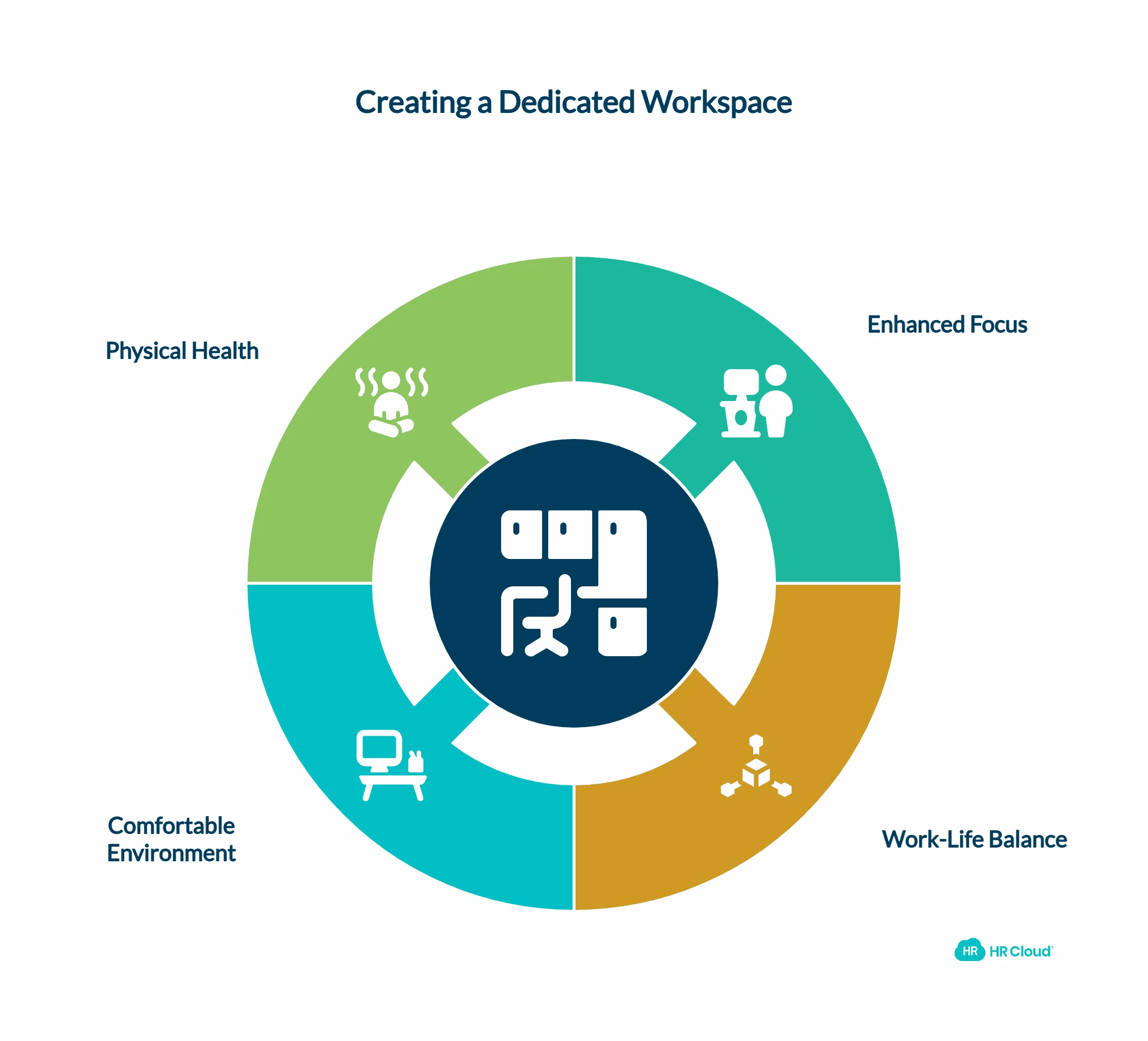
Having a designated workspace at home plays a crucial role in mentally distinguishing professional tasks from personal life. When you physically separate your work environment from living areas, it signals to your brain that it’s time to focus, reducing stress associated with juggling different roles in the same space. This separation helps create a mental boundary, making it easier to relax once the workday ends and preventing the feeling of being “always on.”
Impact on Productivity and Focus
Without a dedicated area to work, distractions become more frequent, leading to decreased efficiency. A specific workspace minimizes interruptions and encourages routines that enhance concentration. When your environment signals a professional setting, your mind adapts, allowing deeper focus and longer periods of uninterrupted work. This boost in productivity not only supports better outcomes but also often results in shorter, more effective work sessions.
Choosing the Perfect Location for Your Workspace
Factors to Consider: Noise, Lighting, and Privacy
Selecting the right spot is foundational to creating an effective home office. Prioritize areas with minimal noise distractions to help maintain focus. Natural lighting is also vital, as it reduces eye strain and positively influences mood and energy. Privacy is another key aspect — spaces away from busy household pathways prevent frequent interruptions, letting you work without constant disruptions. Careful consideration of these elements ensures your workspace encourages sustained productivity.
Small Spaces: Innovative Solutions for Every Home
For those with limited room, it’s important to think creatively. Corners of living rooms, under staircases, or even part of a bedroom can be transformed into functional work areas. Using compact furniture like foldable desks or wall-mounted shelves maximizes utility without overwhelming the space. Additionally, portable room dividers or curtains can help visually separate your workspace, enhancing the sense of a focused environment despite space constraints.
Design Principles to Enhance Concentration
Ergonomics: Comfort Meets Functionality
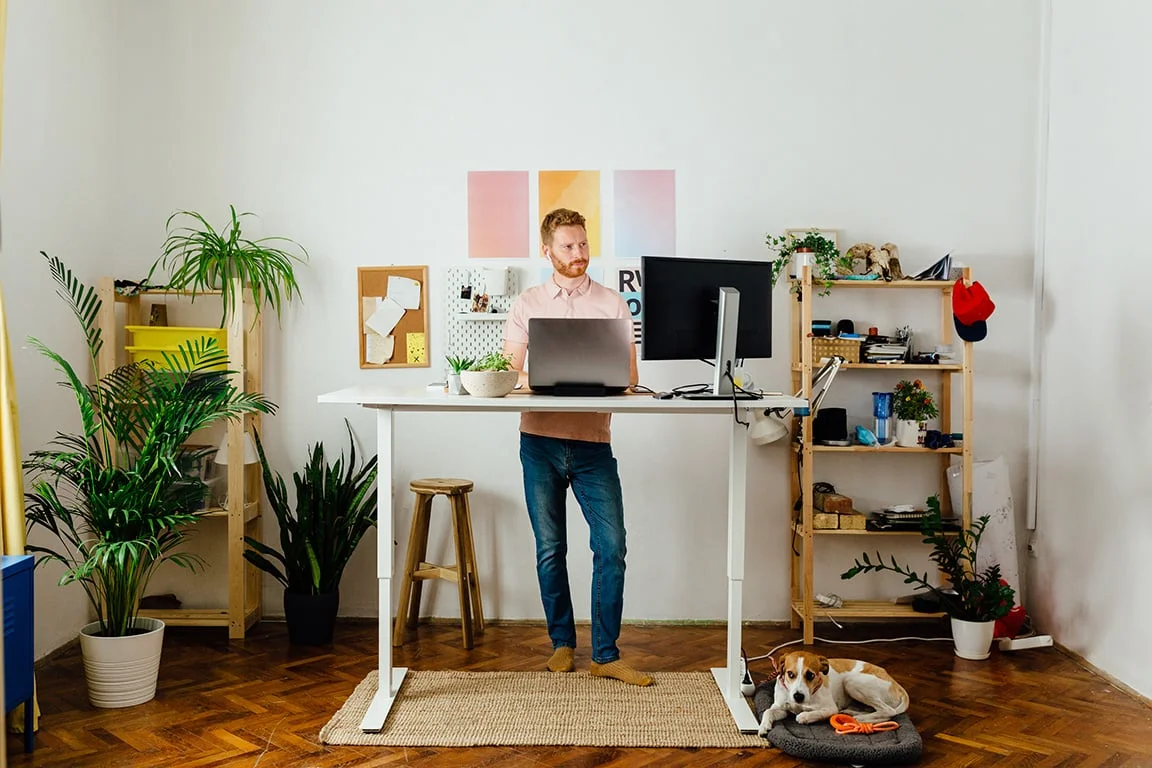
Ergonomic design isn’t just about comfort; it significantly impacts your health and work efficiency. Investing in a chair that supports your back and positioning your desk at the right height can prevent physical discomfort that often distracts from tasks. Proper screen placement reduces neck strain, while adjustable equipment accommodates different postures. Prioritizing ergonomics ensures you maintain focus without the discomfort that leads to frequent breaks or fatigue.
Organizing the Space for Minimal Distractions
Clutter often causes mental clutter. Keeping your workspace tidy by organizing tools, documents, and supplies within easy reach prevents distractions caused by searching for items. Implementing storage solutions like shelves, drawers, or desktop organizers helps maintain a clean area which psychologically encourages focus. Regularly decluttering and setting a designated spot for everything reduces interruptions and keeps attention on important tasks.
Incorporating Personal Touches Without Clutter
Personalizing your workspace creates a welcoming atmosphere that motivates you, but it’s important to balance this with simplicity. Adding a few meaningful items, such as photos or plants, can boost morale and provide small mental breaks. However, overloading the area with decorations risks visual noise that diverts concentration. Thoughtfully chosen accents that inspire without overwhelming help maintain an environment conducive to focus.
Technology Setup for Seamless Workdays
Essential Hardware and Software
Equipping your workspace with reliable technology is essential for uninterrupted productivity. A good computer or laptop with updated software, a high-quality headset for calls, and fast internet connectivity form the foundation. Additionally, productivity tools like task management apps or communication platforms streamline workflow. Ensuring your hardware and software meet your work demands eliminates technical frustrations and keeps your focus where it belongs.
Tips for Managing Cable Clutter and Connectivity
Cables can quickly become tangled and distracting, creating a messy workspace that diminishes efficiency. Employing cable organizers, such as clips or sleeves, keeps wires tidy and prevents accidents or damage. Additionally, positioning your router for optimal signal strength and regularly checking connections helps avoid connectivity issues that disrupt your workflow. A neat, well-connected setup promotes an efficient and distraction-free work environment.
Routine and Boundaries: Maintaining Work-Life Balance
Establishing Clear Working Hours at Home
Defining your work hours brings structure to your day and helps separate professional responsibilities from personal time. Starting and ending your workday at consistent times prevents spillover into private life, reducing burnout and stress. Communicating these boundaries to family or housemates further supports uninterrupted focus during work periods. Routine creates predictability, making it easier to transition between roles and maintain balance.
Strategies to Transition In and Out of Work Mode
Shifting mentally into and out of work mode can be challenging at home. Establish rituals such as a brief walk before starting work or tidying your desk to signal the beginning of the day. Similarly, ending work with a shutdown routine, like shutting down your computer and clearing your workspace, helps mark the transition to personal time. These practices reinforce boundaries, allowing you to disengage from work and relax fully.
Long-Term Benefits of Your Dedicated Workspace
Boosting Career Satisfaction and Mental Health
Investing effort in creating and maintaining a dedicated home workspace pays off significantly over time. Enhanced focus and reduced distractions lead to better job performance and a greater sense of accomplishment. The clarity of separating work from personal life contributes to lower stress levels and improved mental health. Ultimately, this balance fosters career satisfaction, making it easier to sustain motivation and avoid burnout in the long run.


