
Why High Protein Snacks Are Essential for Travel
Benefits of Protein During Long Commutes
Imagine you’re on a long train ride, and hunger strikes several hours in. Reaching for a sugary snack might offer a quick burst of energy, but it usually leads to a crash later, leaving you drained and craving more food. High protein snacks help maintain steady energy levels by promoting satiety and stabilizing blood sugar. Protein supports muscle maintenance, which is especially important if your travel involves long periods of sitting or carrying heavy luggage. By choosing protein-rich snacks, you set yourself up for sustained energy and improved focus during the journey.
Common Challenges in Finding Healthy Travel Snacks
Traveling often means limited access to fresh food options, and the convenience store at a rest stop is rarely stocked with nutritious choices. Many snacks labeled healthy are actually high in sugar or unhealthy fats. Additionally, some protein-rich foods require refrigeration or elaborate preparation, making them impractical for on-the-go situations. Travelers frequently face the dilemma of choosing between convenience and nutrition, leading to unhealthy snacking habits that can ultimately sap energy and mood.
Top Portable Ingredients for Protein Snacks
Lean Meats and Alternatives
One of the most straightforward ways to boost protein intake during travel is by packing lean meats such as turkey or chicken breast. Pre-cooked and sliced, these meats store well in insulated coolers and offer a satisfying, savory option. For those who prefer plant-based choices, tofu or tempeh strips seasoned and dried can mimic jerky’s portability. These options offer a great balance between protein density and ease of transport, perfect for busy travelers who want to avoid processed snacks.
Nuts, Seeds, and Legumes
Nuts like almonds and pistachios are classic travel-friendly snacks, rich in protein and healthy fats that help keep hunger at bay. Seeds such as pumpkin or sunflower seeds add crunch and additional nutrients. Roasted chickpeas or lentil snacks bring variety and plant-based protein to your snack arsenal. These ingredients require minimal storage considerations and can easily be portioned into small containers or resealable bags for quick access whenever hunger strikes.
Dairy and Plant-Based Options
Cheese sticks or cubes are convenient protein sources that pair well with fresh or dried fruits. Yogurt, especially Greek yogurt, offers a creamy high-protein treat, though it requires refrigeration or a cooler pack. For plant-based eaters, options like almond or soy yogurt can serve a similar purpose. Hard cheeses like parmesan or aged cheddar do not spoil quickly and can travel well without refrigeration for several hours, making them an excellent choice for short commutes.
5 Quick High Protein Snack Recipes to Pack for the Road
No-Cook Energy Bites with Nuts and Seeds
A close friend of mine swears by mixing chopped almonds, flaxseeds, and dates with a touch of honey, rolling the mixture into bite-sized balls. These no-bake energy bites are portable, require no refrigeration, and provide a strong hit of protein and fiber. Pack a few in a small container, and they make for a perfect quick snack that satisfies sweet and savory cravings alike on long drives or flights.
DIY Jerky and Meat Stick Ideas
If you have time before a trip, making your own jerky can be a game changer. I once marinated thin strips of lean beef in soy sauce, garlic, and a hint of maple syrup before dehydrating them overnight. The homemade jerky was leaner and packed with flavor, lasting for days without refrigeration. Store-bought beef or turkey sticks also work well but watch for additives and excess sodium.
Cheese and Vegetable Wraps
On a recent road trip, I assembled simple wraps using whole-grain tortillas, slices of cheddar, and crunchy cucumber strips. Rolling these up prevented sogginess and made them easy to eat in the car. The cheese provided protein, while the veggies added freshness and fiber, balancing the snack to keep energy levels steady between stops.
Protein-Packed Trail Mix Variations
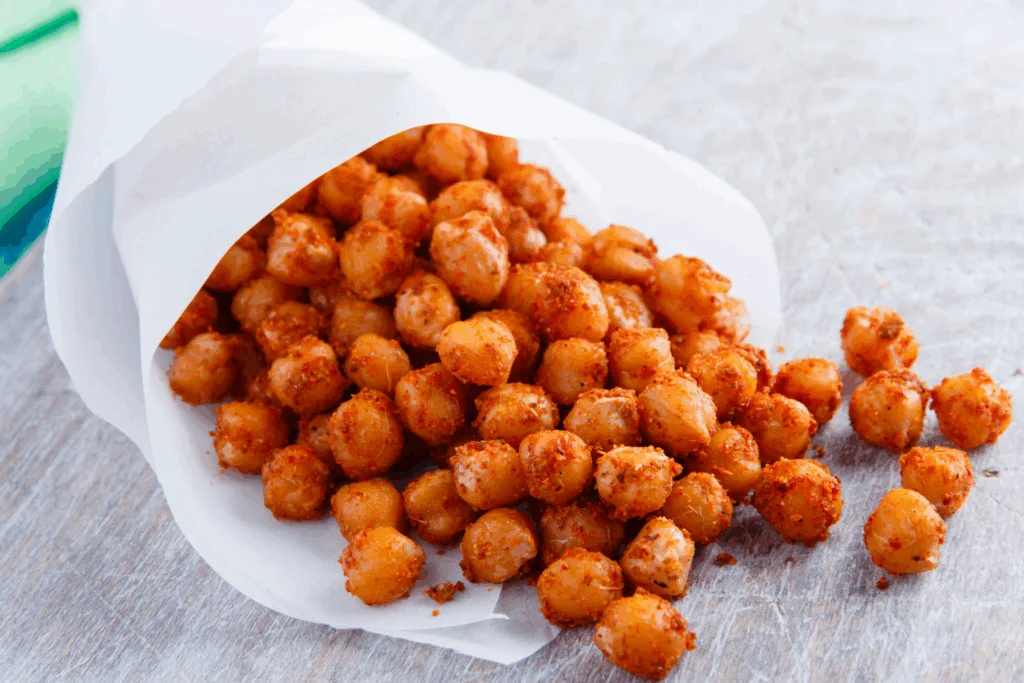
Trail mix is a staple for travelers, but customizing it can boost its protein content significantly. By combining roasted chickpeas, pumpkin seeds, dried cranberries, and dark chocolate chips, you create a snack that’s both satisfying and rich in nutrients. Having this mix at hand during a long commute means you’re less likely to opt for sugary vending machine options when hunger hits mid-journey.
Smart Boiled Egg and Avocado Combos
Boiled eggs are one of the best travel snacks—but pairing them with avocado takes the snack to a new level. The creamy fat of the avocado complements the protein-packed egg for a nutrient-dense, satisfying bite. Recently, I prepared this combo for a day-long train journey, wrapping sliced eggs and avocado in lettuce leaves. They stayed fresh and provided sustained energy without the heaviness of a full meal.
Tips for Storing and Carrying Protein Snacks While Traveling
Maintaining Freshness and Safety
Keeping protein snacks fresh during travel is vital to avoid foodborne illnesses and preserve taste. Using insulated lunch bags with ice packs is a practical approach, especially for perishable items like cheese and boiled eggs. For dry snacks like nuts or jerky, airtight containers prevent moisture and contamination. It’s crucial to monitor travel duration and ambient temperatures as well—if refrigeration isn’t possible, choosing shelf-stable snacks is safer.
Packaging Solutions for Convenience
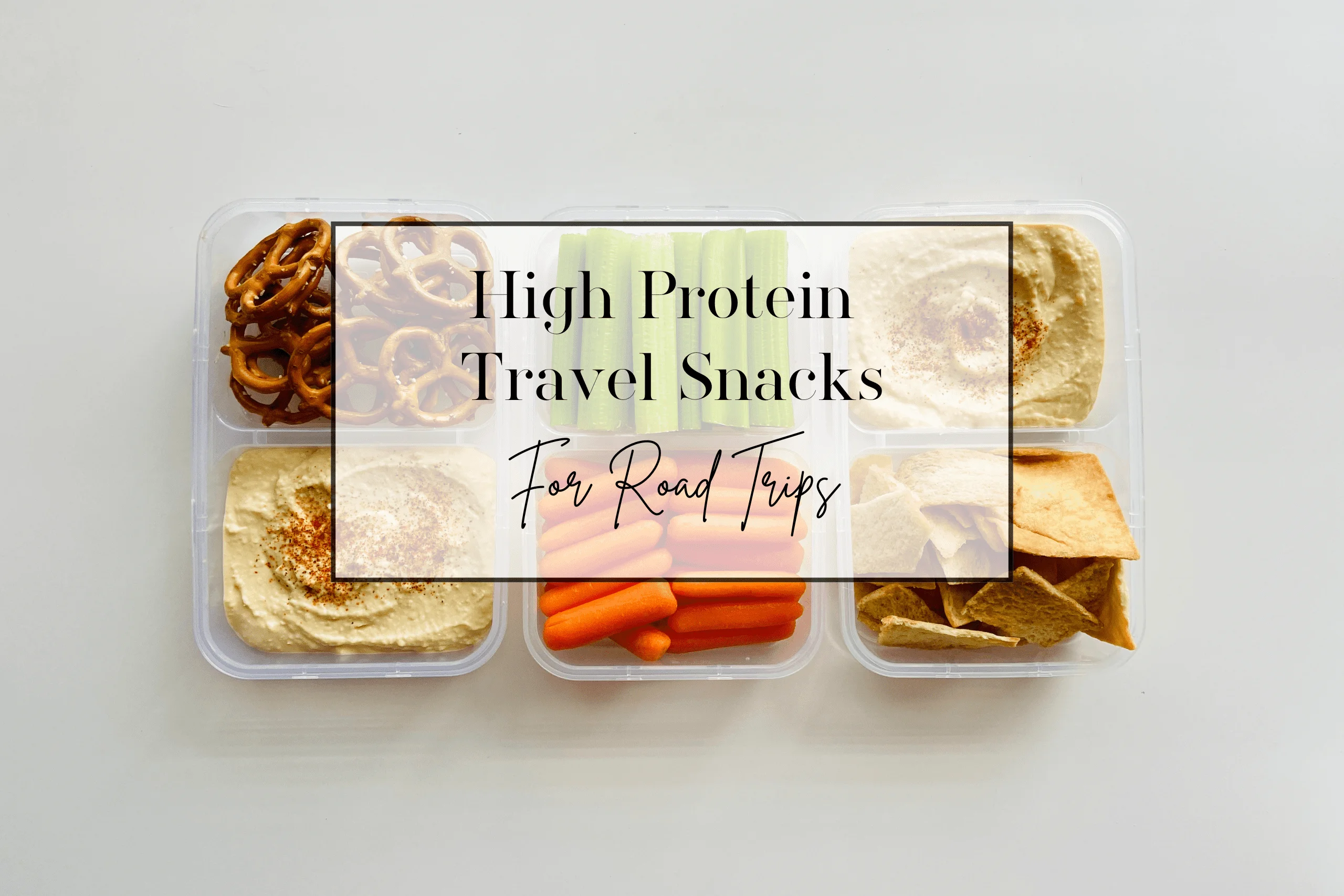
Reusable silicone bags or small plastic containers are some of the best solutions for portion control and convenience. They reduce waste while protecting snacks from being crushed in bags. Combining compartments in a compact snack box allows easy access and prevents cross-contamination between different food items. This organized approach transforms snacking from a messy chore into a seamless part of your travel routine.
Boosting Energy: Combining Protein with Other Nutrients
Smart Carbs and Healthy Fats That Complement Protein
Protein is most effective at sustaining energy when paired with complex carbohydrates and healthy fats. Whole grain crackers or oatmeal bars provide slow-digesting carbs that help maintain energy levels, while fats from avocados or nuts support brain function. On one hike, I noticed that combining these components kept me energized for hours, avoiding the mid-afternoon slump that often occurs with sugary snacks.
Hydration and Its Impact on Snack Effectiveness
It’s easy to overlook hydration during travel, but it plays a critical role in how protein snacks impact your energy. Dehydration can blunt appetite cues and reduce the effectiveness of snacks in maintaining stamina. Carrying a reusable water bottle and sipping throughout the journey ensures your body absorbs nutrients efficiently and wards off fatigue. On several occasions, I realized that drinking enough water alongside protein-rich snacks transformed my overall travel experience from sluggish to alert.


