
Introduction to Balance and Mobility for Beginners
Why Balance and Mobility Matter in Daily Life
Maintaining good balance and mobility is crucial for everyday activities, such as walking, climbing stairs, and even standing from a seated position. Poor balance increases the risk of falls, which can lead to serious injuries, especially for older adults or those with limited physical activity. Mobility, on the other hand, ensures that joints move freely and muscles function properly, contributing to overall independence and quality of life. For beginners, focusing on these areas lays a foundation for healthier, safer movement in daily routines.
Understanding Low Impact Training Benefits
Low impact exercises are designed to reduce stress on joints while still increasing strength, flexibility, and cardiovascular health. This makes them ideal for beginners, individuals recovering from injury, or those with chronic conditions such as arthritis. By engaging in low impact training, you improve muscle tone and joint mobility without the strain that high impact workouts might cause. This fosters consistent exercise habits by minimizing discomfort and the potential for injury.
Preparations Before Starting Your Home Exercise Routine
Safe Space Setup for Low Impact Training
A safe workout environment is essential to prevent accidents. Before you begin, clear a designated space free from clutter, loose rugs, or slippery surfaces. Adequate lighting allows you to see your movements clearly, reducing the likelihood of missteps. A non-slip mat can provide additional stability, and having a sturdy chair or wall nearby offers support when needed.
Essential Equipment and Clothing
While low impact exercises generally require minimal equipment, some tools can enhance your training experience. Comfortable, supportive shoes help protect your feet and improve stability. Loose, breathable clothing encourages freedom of movement and reduces overheating. Lightweight resistance bands or small ankle weights may be incorporated gradually to add strength training elements once basic exercises feel manageable.
Warm-Up Tips to Prevent Injury
Skipping a warm-up can increase the risk of muscle strains and joint stiffness. Begin with a few minutes of gentle movements like walking in place or slow arm swings to stimulate blood flow. Stretching major muscle groups slowly prepares your body by increasing flexibility and range of motion. Taking this step seriously lays the groundwork for safer, more effective workouts.
Simple Balance Exercises for Beginners
Tandem Standing and Heel-to-Toe Walk
Balance often feels unstable because the body struggles to maintain its center of gravity. Tandem standing, where you place one foot directly in front of the other like walking a tightrope, challenges and strengthens your balance effectively. Similarly, walking heel-to-toe in a straight line improves coordination and stability. These exercises target core muscles and ankle strength, essential for steadiness.
Single-Leg Stands with Support
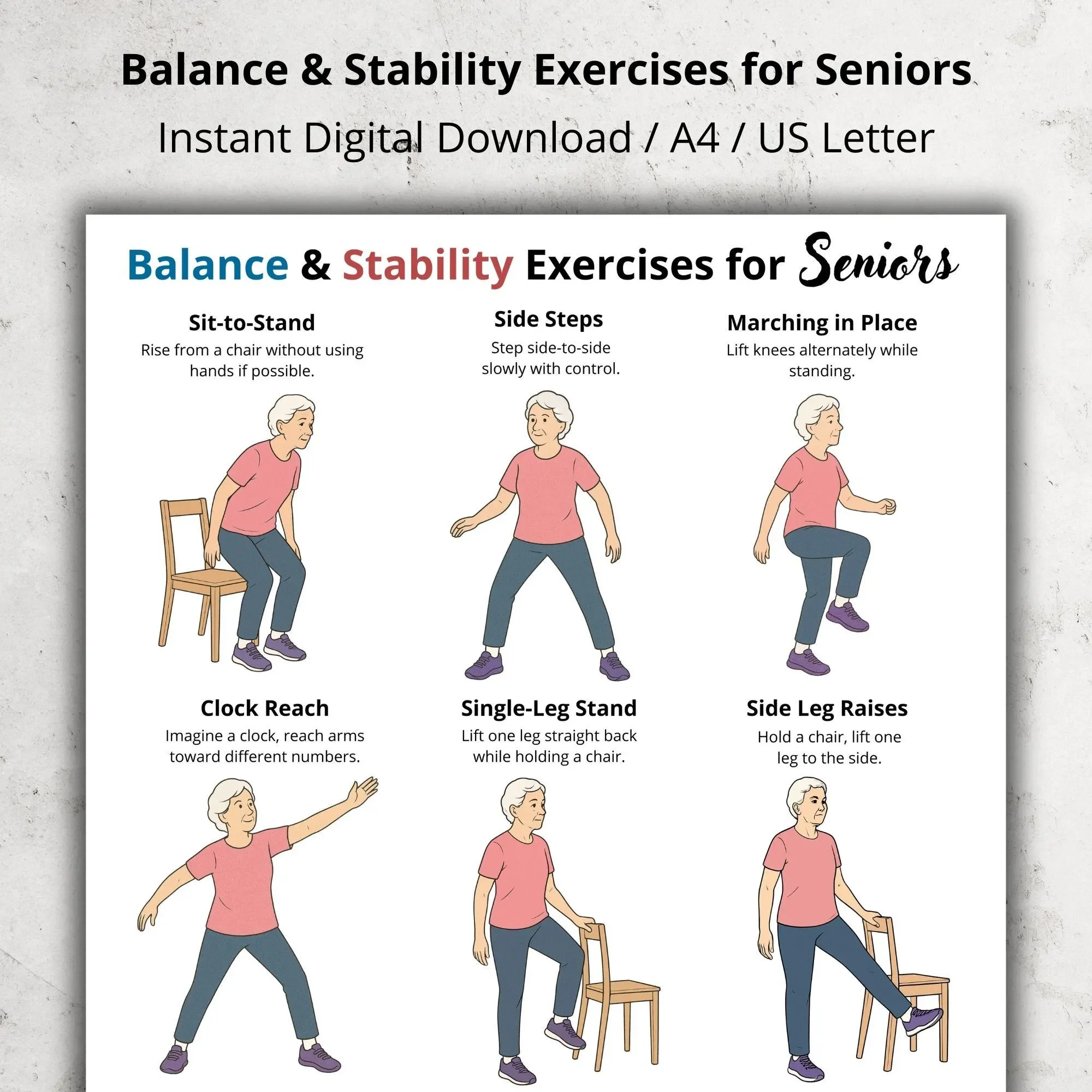
Many beginners find single-leg stands daunting due to limited stability and strength. Using a chair or countertop for light support allows you to safely practice standing on one leg. This exercise enhances muscle control and proprioception — the body’s ability to sense movement and position. Gradually reducing reliance on support increases confidence and balance.
Weight Shifting Techniques
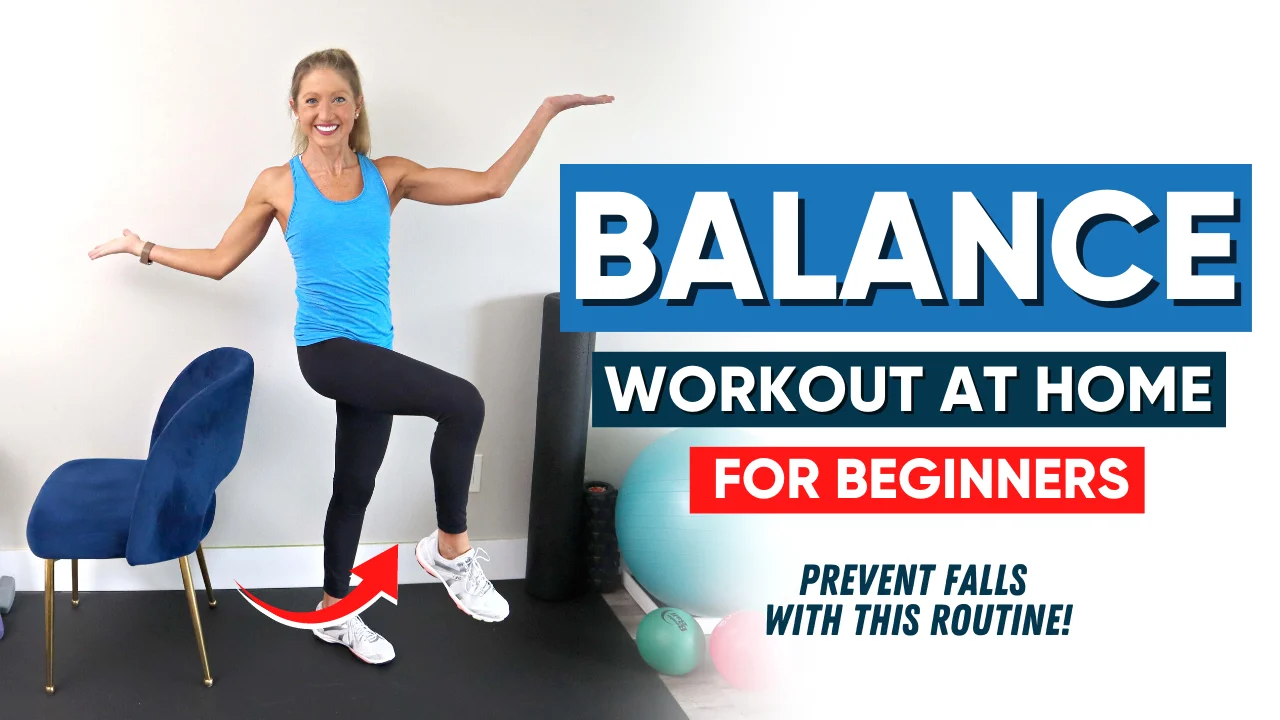
Weight shifting mimics natural changes in balance during activities like walking or reaching. By consciously transferring your weight from one foot to the other, you train your body to adjust dynamically. This improves coordination and reduces stiffness, helping to prevent falls and build fluid movement.
Mobility Exercises to Improve Range of Motion
Seated Leg Lifts and Marching In Place
Lack of joint mobility can lead to stiffness and difficulty performing daily tasks. Seated leg lifts gently engage hip and thigh muscles without the risk of falling. Marching in place, whether seated or standing, increases circulation and encourages hip flexion, improving lower body mobility gradually and safely.
Arm Circles and Shoulder Rolls
Sitting or standing, arm circles and shoulder rolls warm up the upper body and release tension in the neck and shoulders. Many people develop tightness in these areas from prolonged sitting or poor posture. These movements enhance joint lubrication and muscle flexibility, promoting greater ease of movement throughout the day.
Hip Openers and Knee Flexion Stretches
Targeting hips and knees with gentle openers and flexion stretches combats common mobility restrictions. Hip openers help maintain or increase the range of motion in the pelvis, essential for walking and balance. Knee flexion stretches aid in maintaining joint health and preventing stiffness, especially important for those who spend significant time sitting.
Combining Balance and Mobility into a Daily Routine
Sample 15-Minute Low Impact Workout Plan
Regularity is key when improving balance and mobility. A short, structured routine that includes warm-up, balance exercises, and mobility movements can fit easily into daily life. For example, begin with a five-minute warm-up of marching and arm circles, followed by five minutes of tandem walking and single-leg stands, then conclude with five minutes of hip openers and knee stretches. This balanced approach maximizes benefits without overwhelming beginners.
Progress Tracking and Adjusting Exercises
Monitoring your progress helps maintain motivation and ensures the exercises remain effective and safe. Track the duration you can hold a pose or the number of repetitions completed comfortably. If the routine feels too easy, slowly increase intensity or duration. Conversely, if you experience discomfort, modify movements to reduce strain. Regular reassessment helps tailor the program to your personal needs, fostering steady improvement.
Safety Tips and Precautions for Home Training
Signs to Pause and Seek Professional Advice
While low impact exercises are generally safe, certain symptoms signal a need to stop and consult a healthcare professional. These include sharp pain, dizziness, sudden joint swelling, or prolonged muscle weakness. Ignoring these signs can worsen conditions or result in new injuries. Being mindful of your body’s feedback promotes a safer training experience.
Modifying Exercises Based on Individual Needs
Everyone’s physical condition and limitations differ, especially for beginners. Customizing exercises to accommodate chronic pain, balance issues, or limited mobility allows for gradual progress without frustration. Using support, reducing range of motion, or breaking movements into smaller parts can make exercises more achievable and enjoyable. Emphasizing adaptability encourages ongoing commitment and prevents discouragement.


