
Understanding the Need for a Rotating Dinner Menu
Identifying Signs of Meal Boredom in Families
Many families struggle with the repetitive cycle of preparing the same meals week after week. This repetition often leads to a lack of excitement around dinner time, where family members may feel uninterested or less motivated to eat together. Signs of meal boredom can include frequent complaints about dinner choices, increased reliance on takeout, or even skipping meals altogether. Recognizing these early indicators is crucial, as meal boredom can diminish the joy of shared family meals and negatively impact overall nutrition.
Benefits of a Rotating Dinner Menu
Implementing a rotating dinner menu offers numerous advantages that address these challenges. By varying meals regularly, families can maintain a fresh and appealing dinner routine that caters to diverse tastes and nutritional needs. A structured rotation encourages balanced eating, introduces new flavors, and reduces decision fatigue for the cook. Additionally, it can simplify grocery shopping and meal preparation by creating predictable patterns, saving time and reducing waste. Ultimately, a rotating menu revitalizes mealtime, promotes healthier habits, and fosters stronger family connections.
Steps to Designing Your Rotating Dinner Menu
Assessing Family Preferences and Dietary Needs

The first step in crafting a successful rotating dinner menu is understanding what your family members enjoy and require in their diet. Consider each person’s favorite dishes, any allergies or dietary restrictions, and nutritional goals. This assessment helps avoid recurring meals that may cause dissatisfaction or pose health risks. Open conversations with family members can reveal hidden preferences or new foods they are willing to try, ensuring the menu is both appealing and inclusive.
Creating a Balanced Meal Rotation Plan
Once preferences and needs are clear, it’s important to design a rotation that balances variety with familiarity. Rotate meals in a way that alternates protein sources, includes a range of vegetables, and incorporates different cuisines to keep interest high. Avoid overly complicated or time-consuming recipes for everyday meals to maintain sustainability. Structuring the plan around weekly or monthly cycles allows for consistency while preventing repetition, making dinnertime something to look forward to rather than a source of stress.
Incorporating Seasonal and Fresh Ingredients
Using seasonal and fresh ingredients maximizes flavor and nutrition while supporting local producers. Seasonal produce is often more affordable, fresher, and environmentally friendly. Plan the menu to adapt based on what’s available throughout the year, which also adds natural variation without additional effort. By embracing seasonal changes, the rotating menu remains dynamic and connected to the natural food cycle, making each meal an opportunity to enjoy the best of what the season offers.
Sample Rotating Dinner Menus for Inspiration
Weekly Rotation Examples
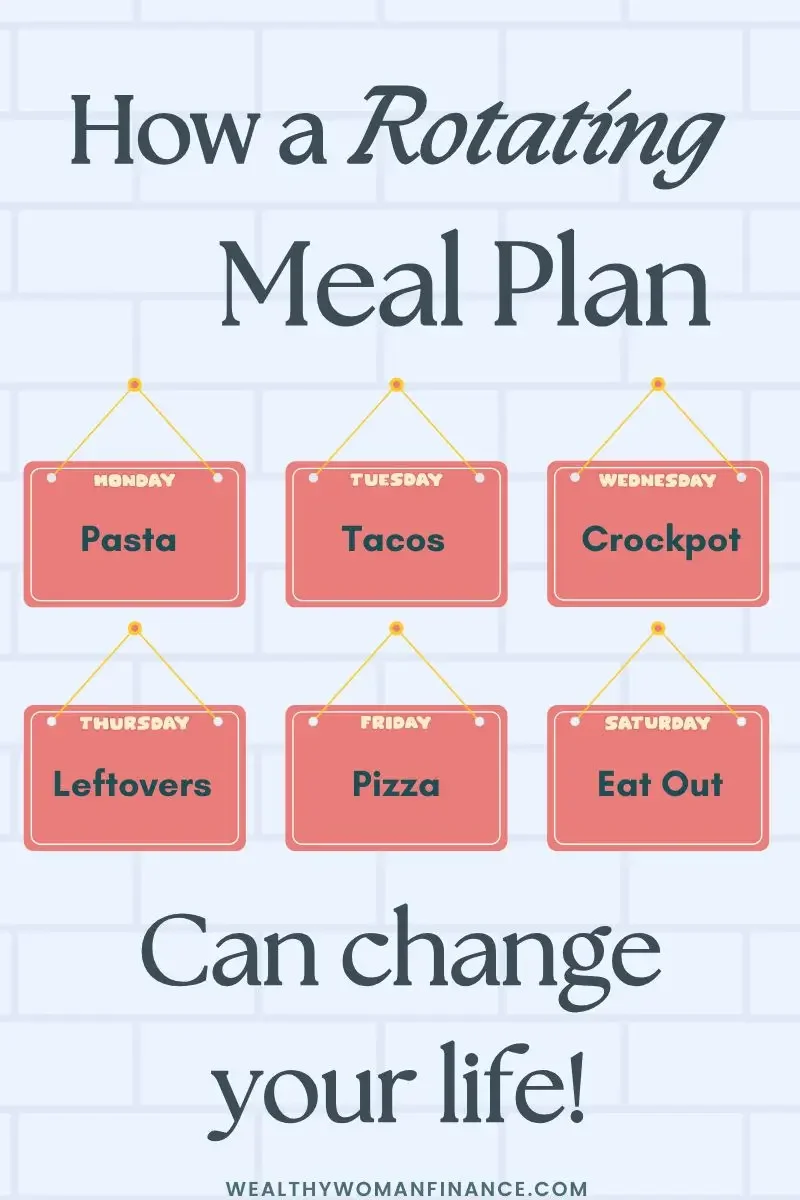
A simple weekly rotation might include a variety of proteins like chicken, fish, beef, and vegetarian options spread across different days. For instance, Monday could be a pasta dish, Tuesday a stir-fry with fresh vegetables, Wednesday a slow-cooked stew, and so forth. This pattern ensures that meals don’t feel repetitive and provides opportunities to incorporate different cooking methods and flavors without overwhelming the cook.
Monthly Rotation Ideas
Monthly rotations offer a broader framework, allowing families to revisit favorite meals while introducing new recipes each month. This approach is useful for households with diverse tastes or those looking to experiment with international cuisines or seasonal dishes. A monthly plan also provides the flexibility to include special occasions or themed nights, turning meal planning into an enjoyable family activity rather than a chore.
Tips for Efficient Meal Planning and Preparation
Batch Cooking and Freezing Techniques
One common obstacle in rotating menus is the time required to prepare a variety of dishes. Batch cooking addresses this by making larger portions of meals that can be frozen and reheated later. This technique saves time on busy days and ensures that a diverse range of meals is always available. It’s important to freeze foods properly to maintain quality and to label containers with dates and contents to avoid confusion.
Shopping Smart for Rotating Ingredients
Efficient shopping reduces waste and streamlines meal prep. Plan grocery lists around your menu rotation, focusing on staple ingredients that appear frequently and purchasing perishable items closer to the cooking day. Bulk buying non-perishable goods or freezing seasonal produce can also help manage costs. By being organized and intentional about shopping, families can stick to their rotating menu without last-minute trips or missing ingredients causing frustration.
Adapting Your Menu Over Time
Gathering Family Feedback
Even the best-planned menu benefits from regular feedback. Encourage family members to share their thoughts on the meals, noting which dishes are favorites and which might need tweaking or replacement. This ongoing dialogue keeps the menu responsive to evolving tastes and dietary needs and helps engage everyone in the meal planning process, fostering a more positive atmosphere around dinner.
Adjusting for New Ingredients and Trends
Food preferences and health trends change over time, so it’s important to keep your rotating menu flexible. Introduce new ingredients or cooking techniques gradually and monitor how the family responds. Staying informed about nutrition trends or seasonal availability can inspire creative updates that refresh the menu without abandoning what already works well. This adaptability ensures your dinner routine remains enjoyable and relevant.


