
Introduction to Fine Motor Skills in Preschoolers
What Are Fine Motor Skills?
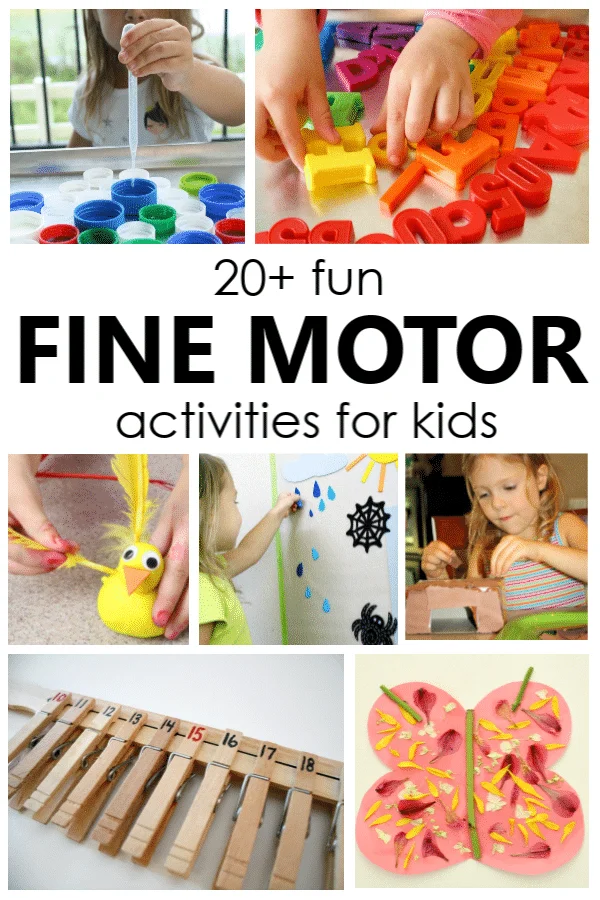
Fine motor skills refer to the ability to make small, precise movements using the hands and fingers. For preschoolers, these skills are crucial as they lay the groundwork for everyday tasks like buttoning a shirt, writing, or using scissors. These movements involve coordination between muscles, nerves, and the brain, allowing children to execute activities that require dexterity and control.
Why Developing Fine Motor Skills Matters
Building fine motor skills early on supports a child’s independence and confidence. When preschoolers master these skills, they are better prepared for academic challenges such as holding a pencil or cutting paper. Beyond academics, fine motor development helps children interact with their environment more effectively, fostering creativity and problem-solving. Encouraging these skills indoors through art projects is particularly valuable during seasons or times when outdoor play may not be feasible.
Top Indoor Art Projects for Skill Development
Collage Making with Various Textures
Collage making is a fantastic way to engage preschoolers’ fine motor skills. By grabbing different textured materials—like fabric scraps, cotton balls, or magazine cutouts—children practice pinching, tearing, and gluing. These varied textures stimulate sensory exploration while encouraging the precise use of fingers. The act of arranging pieces on paper also helps with hand-eye coordination, making it both a creative and developmental activity.
Finger Painting Techniques to Encourage Dexterity
Finger painting might seem messy, but it’s a powerful tool to enhance fine motor control. Using fingers and hands directly to create art allows preschoolers to explore different motions, from swirling to tapping. These movements promote finger strength and flexibility, which are foundational to writing and other detailed tasks. Parents and teachers can guide children to try different strokes and patterns, turning a playful activity into a targeted skill-building session.
Simple Origami Folds for Beginners
Although origami may sound advanced, simple folds adapted for little hands can be an enjoyable challenge. Folding paper requires precision, careful planning, and bilateral coordination. Starting with basic shapes like boats or hats can help preschoolers learn to follow instructions and develop patience. This approach not only improves fine motor skills but also supports cognitive growth as children visualize folding steps and outcomes.
Materials to Use for Enhancing Fine Motor Control
Everyday Household Items Ideal for Art
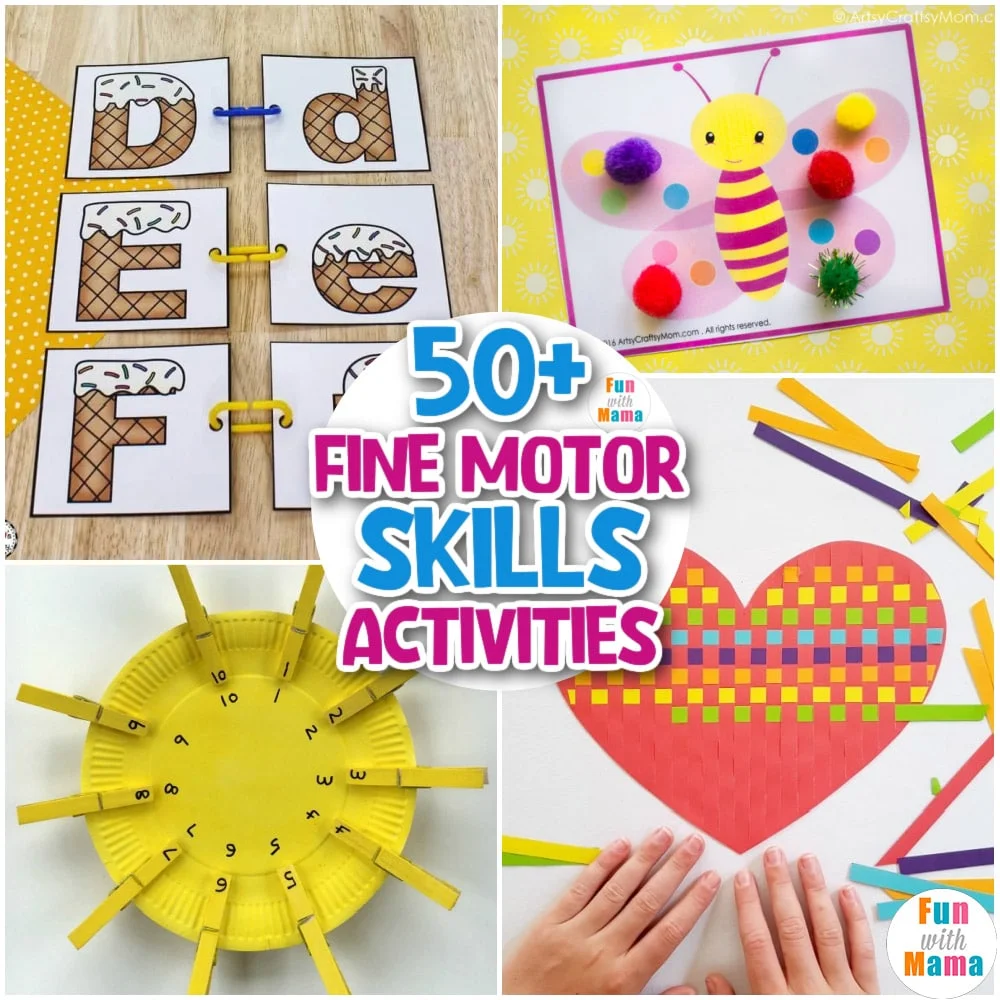
Enhancing fine motor skills doesn’t require fancy supplies. Many household items double as excellent art materials. Items like buttons, pasta, beads, or even dried leaves encourage children to grasp, sort, and manipulate small pieces. Recycled materials such as cardboard scraps or bottle caps offer opportunities for assembling and gluing projects. These familiar objects invite creativity while giving hands plenty of practice in gripping and coordination.
Recommended Tools for Preschool Art Activities
In addition to everyday items, there are simple tools designed to make art activities more comfortable and effective for young hands. Safety scissors with blunt tips are perfect for cutting practice. Child-sized paintbrushes and crayons help kids gain better control over their movements. Using these tools consistently builds muscle memory and precision, essential for handwriting and other fine motor tasks. It’s important to choose items that are age-appropriate to keep the experience fun and frustration-free.
Step-by-Step Guide to Hosting an Art Session
Setting Up a Safe and Engaging Workspace
Creating the right environment is key to a successful art session. Choose a sturdy table at the child’s height to encourage proper posture and control. Cover surfaces with washable mats or newspapers to handle spills easily. Ensure materials are within easy reach, organized in containers or trays to avoid distractions. Good lighting and a quiet space help kids focus better on their activities, making the process enjoyable and productive.
Encouraging Creativity While Focusing on Motor Skills
While fine motor development is the goal, creativity should remain at the heart of all projects. Encourage children to explore colors, shapes, and textures without worrying about “rules.” Offering gentle prompts or demonstrating techniques can guide their efforts without limiting imagination. Celebrate attempts and progress rather than perfection, reinforcing both skill-building and a love for artistic expression. This balanced approach keeps children eager to try new projects and practice their developing skills.
Monitoring Progress and Adjusting Activities
Signs of Improvement in Fine Motor Skills
As children engage regularly with these art projects, subtle improvements become visible. You might notice better pencil grip, steadier hand movements, or increased confidence when using scissors or glue sticks. Tasks that were once challenging, like peeling stickers or threading beads, may become easier. Recognizing these milestones helps parents and educators understand when a child is ready for more advanced activities or if extra support is needed.
When to Introduce More Complex Projects
Once foundational skills are solid, it’s natural to add complexity to keep preschoolers stimulated. Introducing projects that require multi-step processes or combining different techniques can provide this challenge. For instance, moving from simple gluing to creating layered collages, or from basic folding to animal-shaped origami, stretches abilities further. However, it’s important to progress gradually and maintain a supportive atmosphere so children continue to feel encouraged rather than overwhelmed.


