
Understanding Excess Oil and Skin Balance
What Causes Excess Oil Production?
Imagine waking up one morning and noticing your skin feels unusually shiny, especially around your forehead and nose. This is a common sign of excess oil production, primarily caused by the overactivity of sebaceous glands. Hormonal shifts, such as those during puberty or stress, often trigger these glands to produce more oil, creating that noticeable shine. Even environmental factors like humidity and diet can increase oil output. For instance, a friend of mine who moved to a tropical region found her skin suddenly oilier than before, simply because the climate changed.

The Risks of Over-Drying Skin
It might seem logical to combat oily skin by stripping away as much oil as possible, but excessive drying can backfire. Over-drying disrupts the skin’s natural barrier, leading to irritation, redness, and even increased oil production as the skin attempts to compensate. I once met a woman who used harsh alcohol-based toners daily, and instead of improving her skin, it became red and flaky. This example highlights that maintaining a delicate balance is crucial, rather than going through an aggressive “oil cleanse” routine.
Daily Habits to Manage Excess Oil Gently
Effective Cleansing Techniques
Proper cleansing is more than just washing your face; it’s about how you do it. Use lukewarm water rather than hot, as hot water can strip essential moisture. Gently massage a mild, oil-control cleanser using fingertips for about 30 seconds. Avoid scrubbing hard—this can stimulate more oil production. A friend of mine adopted this gentle approach and noticed her skin felt fresher without that tight, uncomfortable dryness that came from using harsh washes.
Optimal Frequency for Washing Your Face
Washing your face twice a day—once in the morning and once before bed—is generally sufficient. Over-washing, especially after every workout or heavy sweat, might seem tempting, but it can disrupt the skin’s barrier. One person I knew started washing her face four times daily and ended up with breakouts due to irritation. Stick to twice daily cleanses and use a light splash of water if you need a refresh after sweating.
Choosing the Right Products for Your Skin Type
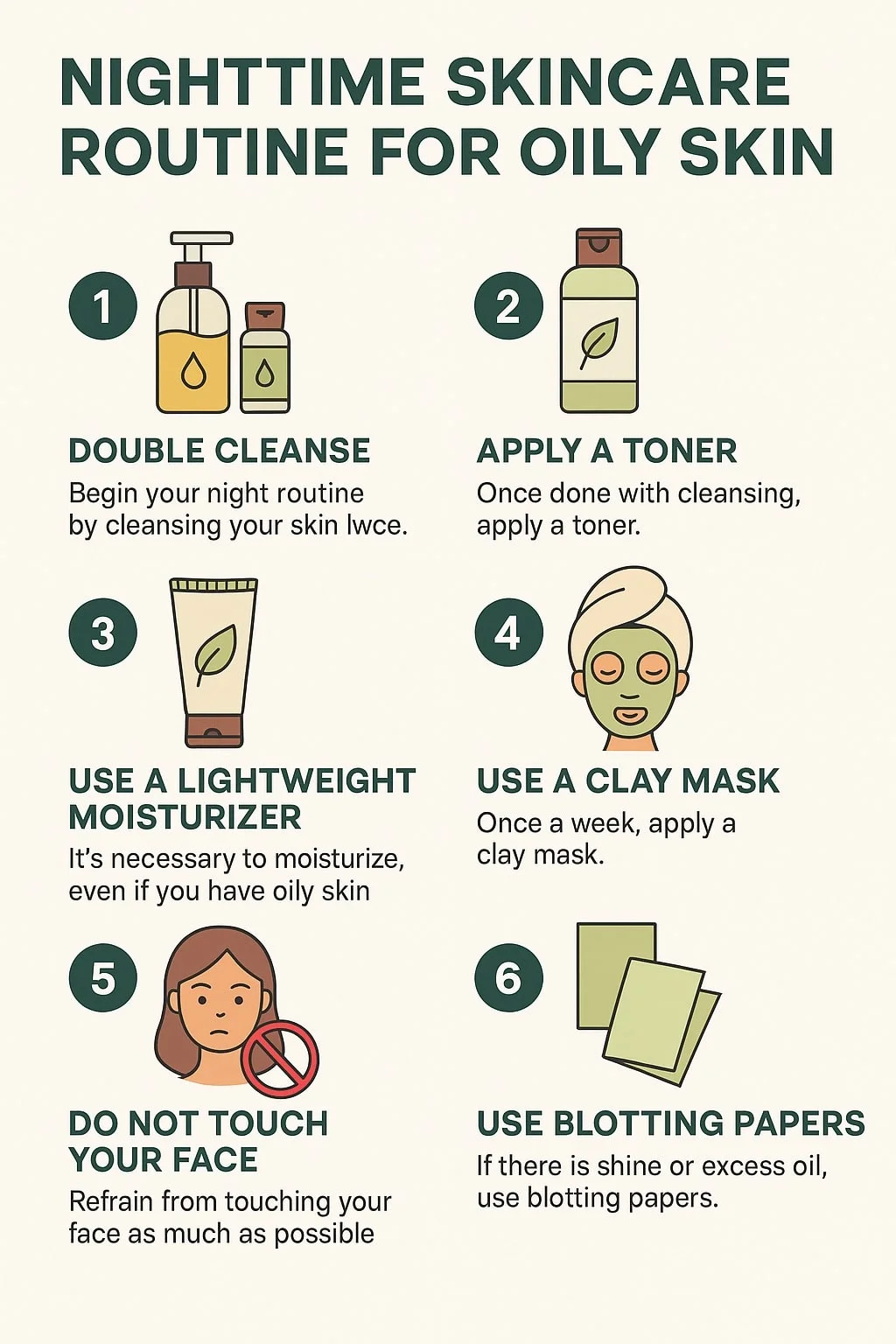
Product selection should align with your skin’s needs. Look for oil-free, non-comedogenic formulas that won’t clog pores. Incorporate lightweight moisturizers containing ingredients like hyaluronic acid to provide hydration without heaviness. A client I worked with switched from thick creams to gel-based moisturizers, which dramatically reduced her midday shine without leaving her skin dry or irritated.
Incorporating Natural Remedies into Your Routine
Benefits of Aloe Vera and Green Tea
Aloe vera offers a soothing, gentle way to calm oily skin, reducing inflammation and providing natural hydration. Similarly, green tea is packed with antioxidants that can help regulate sebum production. A colleague regularly applies aloe vera gel after cleansing and noticed fewer breakouts and less redness. Green tea can be brewed, cooled, and used as a toner to refresh your skin while calming excessive oiliness.
How to Use Clay Masks Safely
Clay masks are a fan favorite for controlling oil, but they must be used cautiously. Applying a clay mask once or twice a week can absorb excess oil and impurities without drying out the skin completely. Overuse, however, can lead to irritation or dryness. I’ve seen people make the mistake of using clay masks daily, which resulted in flaky skin and increased sensitivity. Treat clay masks as a weekly treat rather than a daily necessity.
Lifestyle Changes to Support Healthy Skin
The Role of Hydration and Diet
Water intake plays an underrated role in balancing oil production. When the body is well-hydrated, the skin tends to regulate its oil glands more efficiently. A client who increased her daily water consumption found her skin less oily and more radiant within weeks. Dietary choices also affect skin; reducing sugary and greasy foods while increasing fruits and vegetables can diminish oil buildup and promote clearer skin.
Stress Management and Its Effect on Oily Skin
Stress spikes cortisol levels, which can trigger your glands to produce more oil. Incorporating stress-reducing activities like meditation, yoga, or even regular walks can have a tangible impact. I remember a coworker who, during a particularly busy season, experienced flare-ups of oily skin and acne. Once she started practicing breathing exercises daily, her skin became noticeably calmer and less oily.
Signs Your Skin Needs a Different Approach
When to Moisturize More Instead of Less
It might feel counterintuitive, but oily skin still needs hydration. If your skin feels tight or starts flaking, it’s a sign you need more moisture, not less. One of my clients initially avoided moisturizers altogether, but once she switched to a lightweight, hydrating formula, her oil production balanced out and her skin felt healthier.
Identifying Over-Drying Symptoms
Beware of persistent redness, itchiness, or flakiness, as these are clear signs of over-drying. Ignoring these symptoms can worsen your skin’s condition. When a friend complained about her dry patches and redness, a dermatologist advised cutting back on harsh exfoliants and incorporating richer moisturizers. Within a few weeks, her skin barrier was restored, and oil levels normalized.


