
Why Declutter Your Kitchen?
The Impact of Clutter on Cooking Efficiency
When your kitchen is cluttered, it can significantly slow down your cooking process. Searching for utensils, ingredients, or appliances becomes more time-consuming, which can lead to frustration and decreased motivation to prepare meals. Cluttered spaces often create distractions, making it harder to focus on your tasks. This inefficiency not only wastes time but can also lead to mistakes such as missing ingredients or spills.
Benefits of a Stress-Free Cooking Space
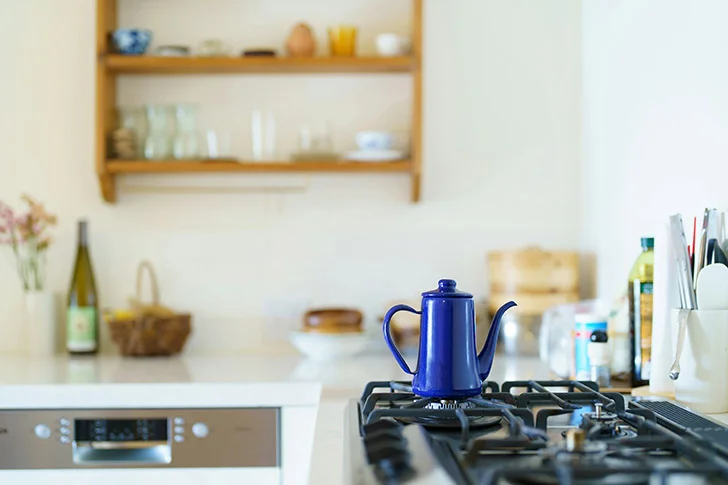
On the other hand, a tidy kitchen facilitates a smoother cooking experience that feels more enjoyable and less chaotic. When everything is organized and easy to find, you can move confidently from one step to the next without interruptions. A clutter-free environment promotes creativity, allowing you to experiment with recipes without feeling overwhelmed. Moreover, a clean kitchen supports better hygiene and can even encourage healthier cooking habits.
Preparation: Setting the Stage for Decluttering
Gathering Essential Supplies
Before you start decluttering, it’s helpful to gather certain supplies. Have a few sturdy boxes or bags ready for sorting items into categories like keep, donate, or discard. Prepare cleaning materials such as microfiber cloths, all-purpose cleaner, and garbage bags to address any dust or dirt uncovered during the process. Having these supplies on hand from the outset ensures you can smoothly transition between sorting and cleaning without interruption.
Scheduling Time and Setting Goals
Decluttering a kitchen can be a big task, so it’s important to allocate enough time to do it thoroughly. Choose a day or weekend when you won’t feel rushed. Setting specific goals—for example, clearing out all upper cabinets or organizing pantry shelves—can help you stay focused and motivated. Breaking the task into manageable chunks prevents overwhelm and allows you to track your progress effectively.
Step 1: Empty and Assess Your Kitchen
Taking Inventory of What You Have
The first actionable step is to empty your cabinets, drawers, and pantry shelves. Laying out everything in an accessible space gives you a clear view of your kitchen’s contents. This inventory not only reveals the true extent of items stored but also influences your decisions in the next steps. Seeing duplicates, expired goods, or seldom-used gadgets can be eye-opening and motivates decluttering.
Identifying Expired and Unused Items
While inventorying, inspect expiration dates on food products carefully to ensure safety and freshness. Expired items should be discarded promptly. Beyond perishables, think critically about appliances or utensils you rarely use. Holding onto items “just in case” often leads to unnecessary clutter, so consider if they genuinely add value to your cooking routine.
Step 2: Categorize and Sort
Grouping Similar Items Together
Once your kitchen is emptied, begin grouping items by type or function. Keep all baking tools in one area, cooking utensils in another, and pantry staples grouped together. This organization makes it easier to identify how much space each category requires and reveals if certain items are redundant. Grouping also simplifies storage decisions later on, as you’ll see which items naturally belong together.
Creating Keep, Donate, and Discard Piles
Next, sort the grouped items into three distinct piles: keep, donate, and discard. The keep pile consists of items you use regularly and want to keep handy. Items that are gently used but no longer needed might be perfect for donation, helping others while freeing up your space. Discard anything broken, expired, or unusable. This sorting step is crucial for minimizing clutter and maintaining an efficient kitchen setup going forward.
Step 3: Deep Clean Surfaces and Storage Areas
Cleaning Cabinets and Drawers
Before returning items to their places, take the opportunity to clean the inside of cabinets and drawers thoroughly. Remove dust, crumbs, and grease that accumulate over time. Using a mild cleaner and a damp cloth, wipe all surfaces to create a fresh base for your organized belongings. Clean storage spaces enhance the kitchen’s overall hygiene and appearance.
Sanitizing Countertops and Appliances
Countertops and kitchen appliances are frequently touched surfaces that benefit from regular sanitizing. After decluttering, wiping down these areas helps reduce bacteria and keeps your cooking environment healthy. This step also reinforces the feeling of a refreshed, stress-free space, encouraging you to maintain these standards daily.
Step 4: Smart Storage Solutions
Using Vertical Space and Organizers
Maximize your kitchen’s storage by utilizing vertical spaces such as walls or inside cabinet doors. Installing hooks or racks can hold pots, pans, or utensils, freeing up drawer space. Consider drawer dividers, shelf risers, and clear containers to keep items orderly and visible. These clever solutions accommodate your belongings in ways that reduce clutter while enhancing accessibility.
Labeling for Easy Identification
Labeling shelves, containers, and drawers contributes hugely to maintaining organization. Clear labels allow everyone in the household to find and return items correctly, preventing clutter from creeping back in. Whether handwritten or printed, labels reduce guesswork and keep the kitchen running smoothly.
Step 5: Maintain Your Clutter-Free Kitchen
Daily and Weekly Habits for Organization
Maintaining a decluttered kitchen requires developing consistent habits. Daily routines such as cleaning countertops after meal prep, putting items back in their designated spots, and regularly checking for expired products help sustain order. Weekly tasks might include a quick inventory of pantry stock or wiping down shelves to prevent buildup.
Periodic Reviews and Adjustments
Even with good habits, kitchens evolve with changing needs. Schedule periodic reviews—perhaps seasonally—to reassess your kitchen’s organization. This is the time to donate or discard items no longer needed, refine storage solutions, and adapt to new cooking habits. Staying proactive prevents future clutter and keeps your kitchen a pleasant space.


