
Understanding Toddler Sleep Resistance
Common Causes of Bedtime Struggles
Toddlers often resist sleep due to a mix of developmental changes, separation anxiety, and increased curiosity about their surroundings. Their growing awareness and desire for independence can make bedtime challenging. Additionally, inconsistent daily schedules or overstimulating activities before bed may contribute to difficulties in settling down.
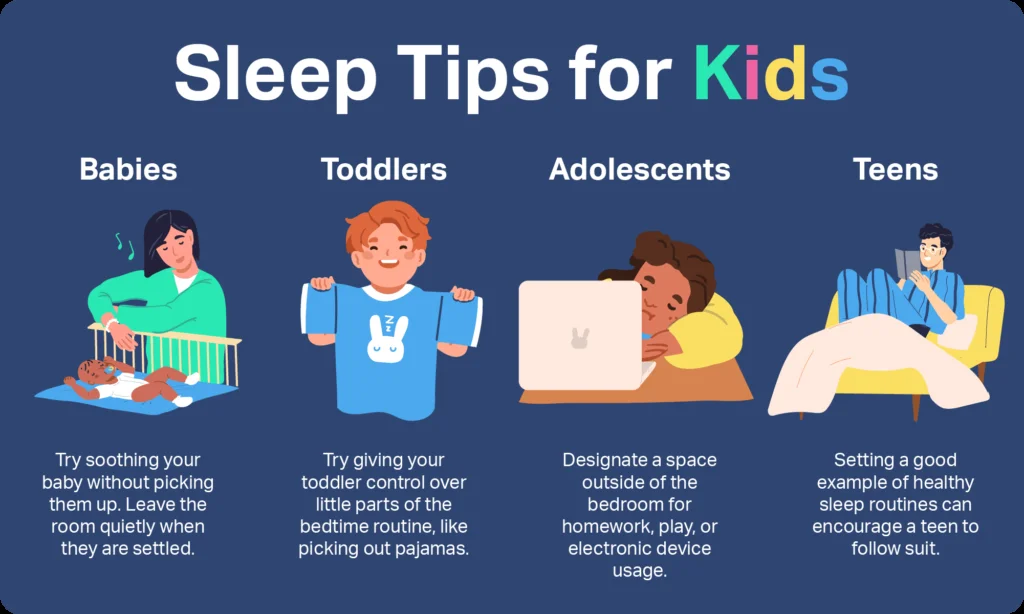
Impact of Inconsistent Sleep on Toddlers
Irregular sleep patterns can affect a toddler’s mood, behavior, and overall development. Without consistent rest, toddlers may experience increased irritability, difficulty concentrating, and a weakened immune system. Establishing a steady bedtime routine supports healthy growth and helps toddlers feel more secure and rested.
Preparation Before Starting the Routine
Setting Realistic Expectations for Parents
It’s important for parents to understand that establishing a bedtime routine takes time and patience. Progress may be gradual, and occasional setbacks are normal. Being consistent and calm throughout the process encourages toddlers to adapt more easily.
Creating a Sleep-Friendly Environment
A comfortable, quiet, and dark sleep environment promotes relaxation. Consider factors such as room temperature, minimal noise, and dim lighting. Removing distractions like toys or devices can also help toddlers associate their sleep space with rest.
Step-by-Step Bedtime Routine for Toddlers
Step 1: Establish a Consistent Bedtime
Choosing the same bedtime every night helps regulate your toddler’s internal clock. Consistency signals to their body when it’s time to wind down, making falling asleep easier. Aim for a time that aligns with their natural sleep needs.
Step 2: Implement Calming Activities
Engaging your child in soothing activities before bed prepares them for sleep. Reading a story, gentle rocking, or soft music can create a peaceful transition from playtime to bedtime. Avoid high-energy activities that may increase alertness.
Step 3: Limit Screen Time and Stimulating Play
Reducing exposure to screens and active play at least an hour before bed helps lower stimulation levels. The blue light from screens can interfere with the production of melatonin, a hormone that supports sleep. Opt for quiet and less stimulating options instead.
Step 4: Incorporate Comfort Objects
A favorite blanket or stuffed animal can provide emotional reassurance to toddlers as they fall asleep. Comfort objects often serve as a source of security, helping children feel safe even when separated from their parents.
Step 5: Consistent Sleep Space Usage
Encouraging toddlers to use the same sleep space every night reinforces the habit and association between that space and rest. Changing locations frequently may confuse the child and disrupt the routine’s effectiveness.
Handling Resistance and Setbacks
Strategies for Soothing a Toddler Who Resists Sleep
When toddlers resist, gentle reassurance and patience are key. Calmly returning them to bed, offering quiet comfort, and minimizing engagement can reduce resistance over time. Keeping interactions brief prevents reinforcing negative bedtime behaviors.
When to Adjust the Routine
Adjustments may be necessary if the routine no longer suits your toddler’s evolving needs or schedule. Watch for signs such as persistent difficulty falling asleep or increased resistance that might indicate a need to shift bedtime or modify calming activities.
Maintaining Consistency Over Time
Tracking Progress and Celebrating Success
Monitoring how well your toddler follows the routine helps identify what works. Celebrating small milestones encourages continued cooperation and reinforces positive behaviors. This can be as simple as verbal praise or a quiet acknowledgment.
Adapting the Routine as Your Toddler Grows
As toddlers develop, their sleep needs and preferences change. Gradually adjusting bedtime and routines to fit their growth supports ongoing healthy sleep habits. Flexibility combined with consistency helps maintain a balanced approach while respecting your child’s development.


