
Introduction to Mindful Breathing and Anxiety
Anxiety can be overwhelming, often manifesting as a restless mind and a tense body. Many seek effective methods to manage these feelings, and mindful breathing has emerged as a simple yet powerful technique. By focusing attention on the breath, individuals can regain control over their mental state and ease anxiety. This guide explores mindful breathing, highlighting why it is important and how to practice it effectively for anxiety relief.
Understanding Anxiety and Its Effects on the Body
Anxiety triggers a range of physical and mental responses that can disrupt daily life. It can cause rapid heartbeat, shallow breathing, muscle tension, and a flood of worrisome thoughts. Understanding these effects is essential to grasp why mindful breathing works as a calming strategy.
The Science Behind Anxiety and Breathing
When anxiety arises, the body’s fight-or-flight response activates, which often leads to irregular and shallow breathing. This kind of breathing can fuel a cycle of heightened stress, as it limits oxygen intake and increases feelings of panic. The link between breathing patterns and emotions highlights why controlling breath can influence anxiety levels.
How Mindful Breathing Calms the Nervous System
Mindful breathing helps interrupt the stress cycle by shifting the body from a heightened state back to balance. Slow, focused breathing activates the parasympathetic nervous system, sometimes called the “rest and digest” system. This calming effect reduces heart rate, lowers blood pressure, and promotes a sense of tranquility, making it an effective tool against anxiety.
Preparing for Mindful Breathing Practice
Before beginning any mindful breathing exercise, preparation can enhance the experience and outcomes. This includes arranging the right environment and managing expectations to avoid frustration.
Choosing a Quiet and Comfortable Environment
Finding a peaceful space free from distractions allows for better focus on the breath. Comfort is equally important; sitting or lying in a relaxed position helps the body to settle and respond more readily to breathing techniques. Choosing such an environment sets the stage for an effective practice session.
Setting Realistic Expectations
Mindful breathing is a skill that requires patience and consistency. It is not an immediate fix but rather a tool for gradual relief. Recognizing that progress may be subtle and slow helps prevent discouragement and encourages regular practice. Approaching breathing exercises with an open mind increases the likelihood of sustained benefits.
Step-by-Step Mindful Breathing Techniques
Several mindful breathing techniques are valuable for calming anxiety. Each offers a unique approach, and individuals may find one more suitable than others based on personal preference and comfort.
Technique 1: Diaphragmatic Breathing
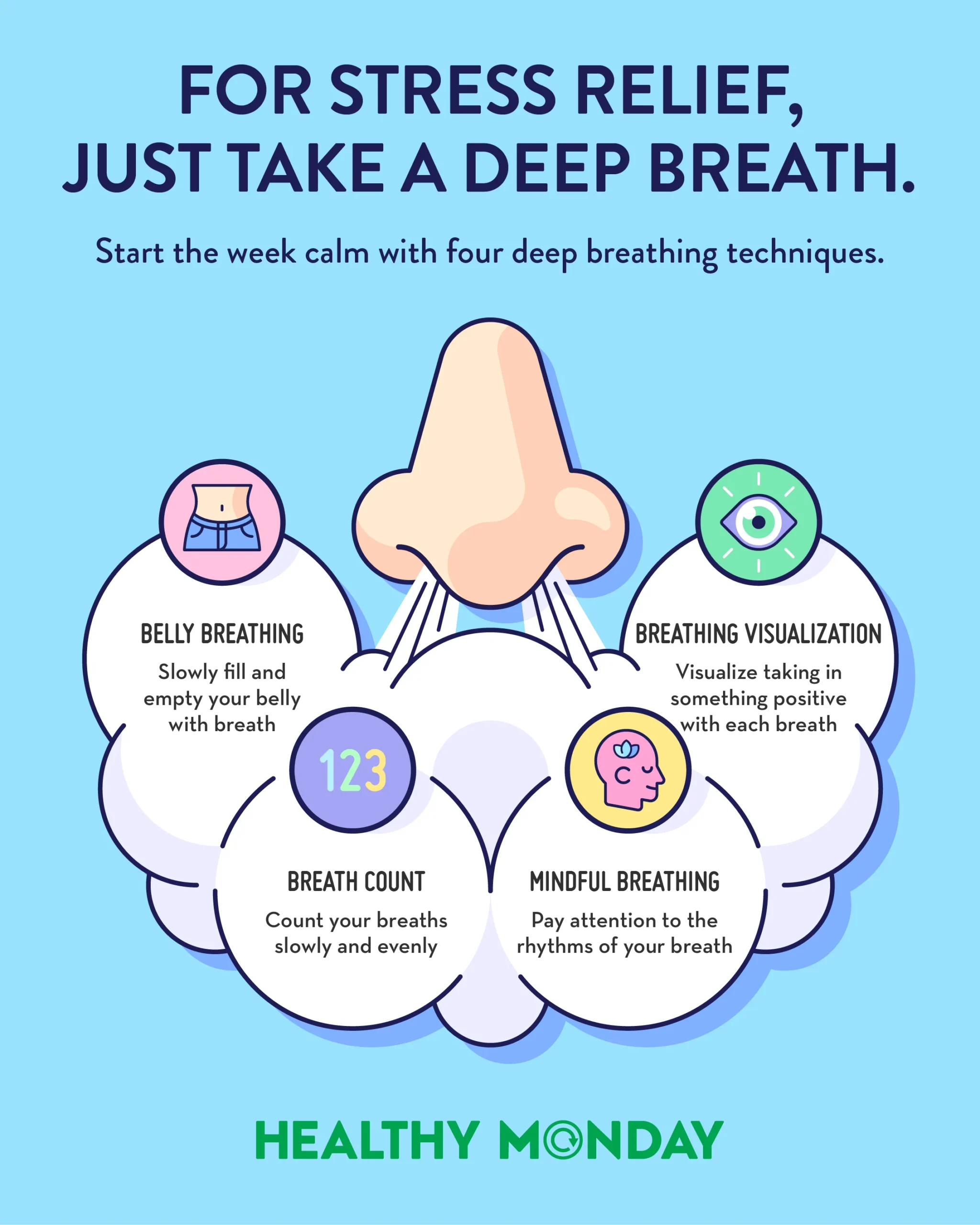
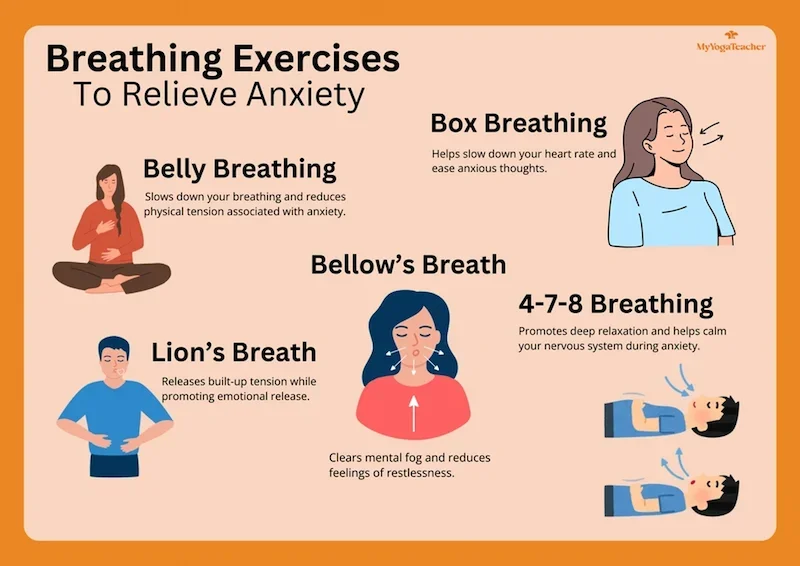
Diaphragmatic breathing, or belly breathing, focuses on deep breaths that engage the diaphragm. To practice, sit or lie comfortably and place one hand on the chest and the other on the abdomen. Inhale slowly through the nose, feeling the abdomen rise while the chest remains relatively still. Exhale gently through the mouth, noticing the abdomen fall. This encourages full oxygen exchange and promotes relaxation.
Technique 2: 4-7-8 Breathing
This method involves a specific rhythm to regulate breath and calm the nervous system. Inhale quietly through the nose for a count of four, hold the breath for seven seconds, then exhale completely through the mouth for eight seconds. The extended exhale helps slow the heart rate and release tension. Practicing this cycle a few times can provide quick relief during moments of anxiety.
Technique 3: Box Breathing
Box breathing divides the breath into four equal parts: inhale, hold, exhale, hold. Typically, each phase lasts four seconds. This structured pattern creates a steady rhythm that fosters focus and calm. It is especially useful when anxiety feels overwhelming, helping to guide the mind away from distressing thoughts toward the physical sensation of breathing.
Technique 4: Alternate Nostril Breathing
Alternate nostril breathing involves breathing through one nostril at a time while closing the other, then switching sides. This technique balances the flow of breath, which some find helpful for mental clarity and reducing anxiety symptoms. Though it may require some practice to master, its soothing effect makes it a valuable addition to mindful breathing routines.
Integrating Mindful Breathing into Daily Life
For mindful breathing to have a lasting impact, it’s important to incorporate it into regular routines rather than using it only in moments of distress.
Creating a Routine for Consistency
Setting aside specific times during the day—such as mornings, midday breaks, or evenings—for mindful breathing trains the mind and body to respond more naturally. Consistency builds familiarity and reduces anxiety’s intensity over time. Even brief sessions of a few minutes can accumulate to significant calming benefits.
Using Mindful Breathing During Anxiety Episodes
When anxiety strikes suddenly, mindful breathing acts as an accessible grounding tool. By focusing attention on breath and following a chosen technique, individuals can disrupt anxious thought patterns. This helps regain control and prevent escalation, even in challenging situations.
Common Challenges and How to Overcome Them
While mindful breathing is simple in theory, beginners may face obstacles such as difficulty focusing, impatience, or discomfort. Wandering thoughts during practice are common and do not signify failure; gently redirecting attention back to the breath is key. Additionally, some may feel lightheaded if breathing too deeply at first, indicating a need to slow down and breathe naturally. Understanding these pitfalls encourages perseverance and fine-tuning of the practice to individual needs.
Conclusion: Embracing Mindful Breathing for Long-Term Anxiety Relief
Mindful breathing offers a practical way to manage anxiety by influencing the body’s response to stress. Through understanding its impact, preparing thoughtfully, and applying various techniques, individuals can cultivate a calming habit that supports emotional balance. While it is not an instant fix, the consistent integration of mindful breathing can significantly improve overall well-being and resilience against anxiety over time. Embracing this practice with patience and openness invites a path toward greater peace and control.


