
Why Choose Screen-Free Games for Kids?
Benefits of Reducing Screen Time
On a rainy day, it’s tempting to hand over a tablet or smartphone to keep children occupied. However, reducing screen time offers numerous benefits that extend beyond just limiting digital exposure. When kids engage in screen-free activities, their eyes get a much-needed break from the strain of bright screens, and they naturally develop better attention spans. Parents often notice that children who spend more time offline tend to sleep better and exhibit fewer signs of restlessness or irritability.
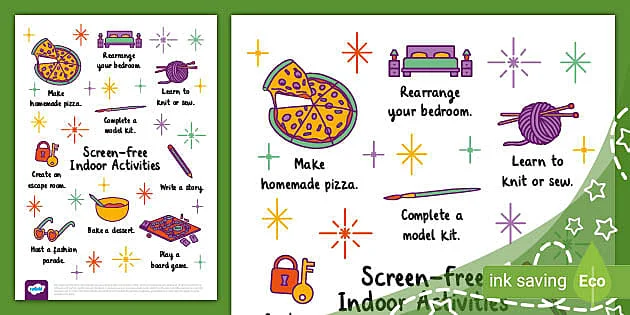
For instance, a mother once replaced her child’s afternoon tablet session with a simple home-based treasure hunt using household items. Not only was her son more excited, but he also showed improved concentration as he followed clues around the house. This real-world engagement stimulates cognitive functions in a way passive screen time rarely can.
Impact on Child Development
Screen-free playtime encourages critical developmental milestones. According to child psychologists, children grow their creativity and problem-solving skills more effectively when they explore tactile and imaginative experiences. Activities like building forts, painting, or role-playing nurture fine motor skills and social interaction. These games challenge children to think independently and adapt when unforeseen changes occur, such as pretending a spoon is a magic wand or a blanket becomes a castle.
During a rainy weekend, a preschool teacher noticed her students became more willing to share ideas and practice negotiation when encouraged to play in a dedicated screen-free zone. This peer interaction fosters empathy and communication skills—essential tools for growth. It’s clear that creating an environment that limits screen access can positively impact a child’s emotional and intellectual development.
Top Creative Indoor Games for Rainy Days
Art and Craft-Based Activities
When the rain keeps children indoors, tapping into their artistic side can transform a dreary day into a vibrant adventure. Simple materials like paper, crayons, glue, and recycled containers can unleash creativity in surprising ways. One family transformed an ordinary afternoon into a playful art challenge, making paper masks inspired by animals they imagined encountering on a rainy safari.
Another excellent example is creating a collaborative mural on butcher paper taped to the wall. This collective activity not only supports artistic expression but also encourages teamwork and planning. For children who love sensory experiences, homemade playdough or finger paints provide hands-on fun that keeps fingers and minds busy while the rain taps on the windows.
Imaginative Role-Playing Games
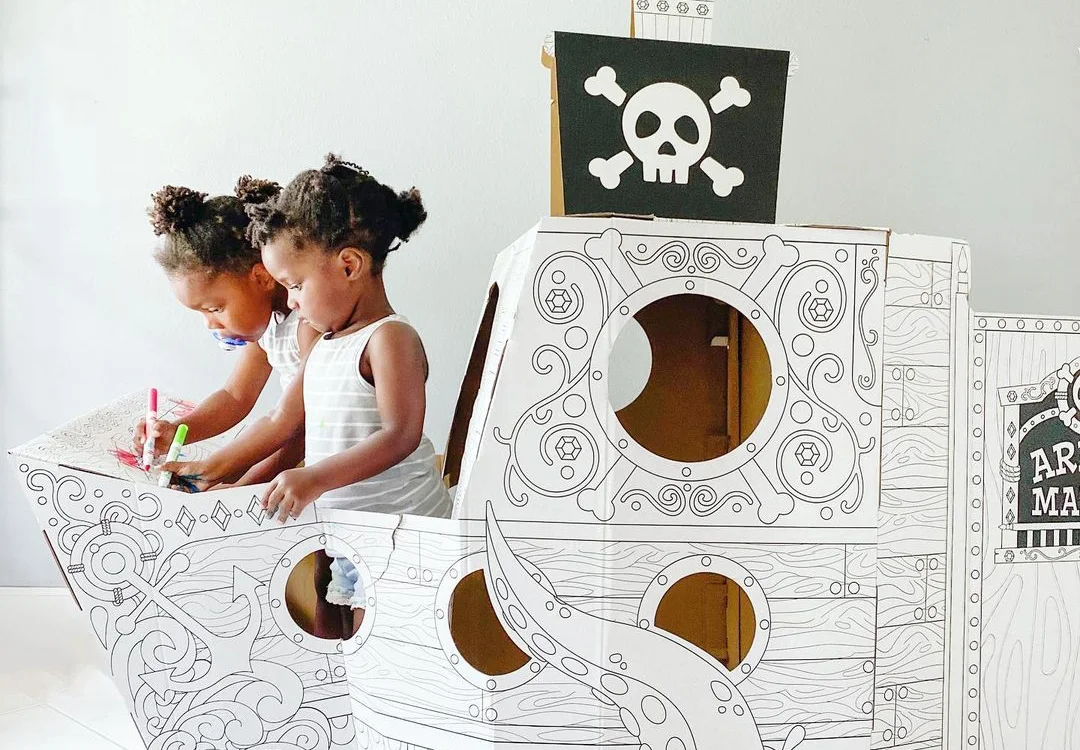
Role-playing games spark a child’s imagination and help with emotional development. The living room can become anything from a pirate ship to a rocket taking off for space. Parents can join in by assigning roles or suggesting story lines. One dad discovered that turning his hallway into a “jungle trek” with pillows as stepping stones made his kids excited and physically active even without outdoor play.
Encouraging kids to invent characters and scenarios gives them a sense of control and helps with language development. These games might start simply, like “storekeeper and shopper,” but soon grow into elaborate dramas where siblings negotiate story arcs and collaborate on costumes crafted from household items. Imaginative play nurtures creativity and social skills simultaneously.
Physical Movement Games for Small Spaces
Even in cramped apartments, physical activity can be fun and safe. Dance parties, balloon volleyball, or simple obstacle courses made from pillows and chairs keep children moving and energized. One mother recalls rainy afternoons saved by lively “animal walks,” where her kids stomped like elephants or tiptoed like cats, burning off energy and improving coordination.
Parents should be mindful of balancing excitement with safety; clearing fragile objects beforehand ensures children can jump, stretch, and crawl freely without risk. Short bursts of movement combined with rest periods mimic the natural rhythm of play and refresh children’s mood and focus throughout the day.
How to Set Up a Screen-Free Play Zone
Essential Materials and Tools
Establishing a dedicated play zone is key to making screen-free games appealing and manageable. Start by gathering basic materials such as crayons, colored paper, scissors (with safety tips), building blocks, and a variety of costumes or dress-up items. Having these items readily accessible reduces the temptation to turn to digital devices during downtime.
Many parents keep a “creative box” stocked with seasonal craft supplies and simple game props. Including items like yarn, stickers, and washable markers encourages spontaneous creation. Real-life experience shows that when kids know they can easily find supplies without asking, they are more likely to engage independently or initiate play with siblings.
Organizing Space for Maximum Fun
The environment plays a crucial role in promoting screen-free play. Designate a corner or section of a room with soft rugs, cushions, and child-sized furniture. Clear clutter and provide containers or shelves for organizing materials. A well-organized space invites kids to experiment, knowing everything is within easy reach.
On one rainy weekend, a family rearranged their living room to create a cozy “imagination nook.” The kids loved having a tent, plush pillows, and baskets filled with craft supplies. This intentional setup meant less parental intervention was needed, allowing for a more relaxed, joyful playtime.
Encouraging Creativity Through Game Variation
Modifying Classic Games to Keep Interest High
Children can quickly become bored if activities remain too predictable. Adding twists to classic indoor games keeps their interest alive. For example, turning ‘Simon Says’ into ‘Wizard Commands’ where kids must perform magical tasks makes a simple game feel fresh and exciting. During one rainy afternoon, siblings took turns inventing new rules for hide-and-seek, introducing challenges like hiding only in spots beginning with the letter “B.”
This kind of variation not only sustains enthusiasm but also sharpens cognitive flexibility as kids learn to adapt to evolving rules. Parents joining in or gently guiding these changes often find that playtime becomes even more engaging and meaningful.
Incorporating Storytelling in Play
Storytelling transforms any game into a richer experience. Inviting children to narrate what happens next or describe characters enhances language skills and imagination. For example, a parent might begin a story with “Once upon a rainy day, a brave explorer found a mysterious box…” and let the child continue the tale through their actions or drawings.
Integrating storytelling helps kids make sense of their world and express emotions. It can unfold during role-playing or even during physical activity, turning simple movements into part of an epic adventure. Real-life moments show that stories crafted together foster connection and creative expression, making screen-free days truly memorable.


