
Understanding the Benefits of a Low Maintenance Garden
Why Busy Professionals Need Low Maintenance Landscapes
In today’s fast-paced world, finding time to care for a garden can feel overwhelming, especially for busy professionals juggling work deadlines and personal commitments. A low maintenance garden offers a practical solution, allowing you to enjoy the beauty and tranquility of nature without the constant upkeep. It means less time spent watering, weeding, and pruning, freeing up your schedule for what matters most.
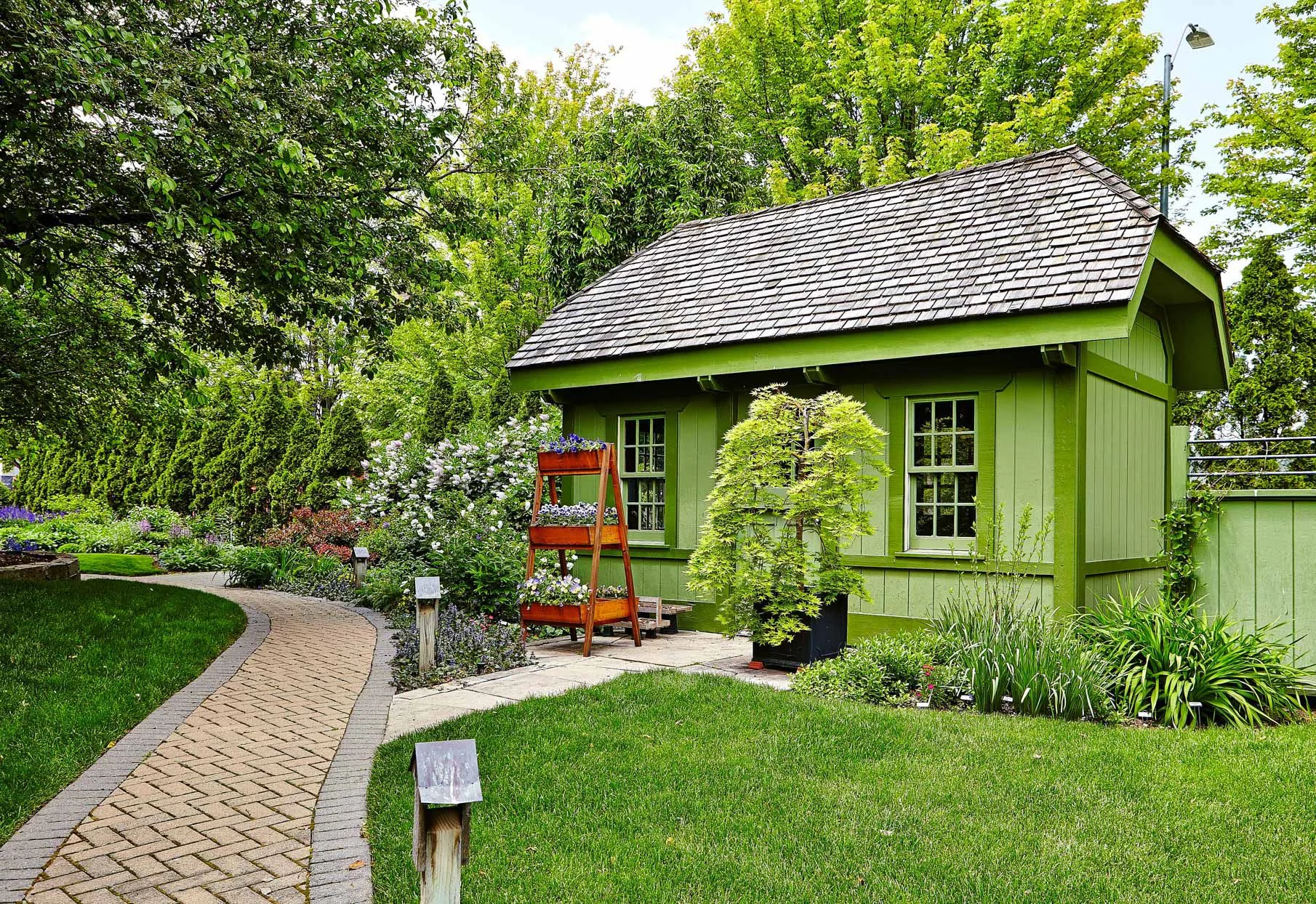
These gardens are designed to be self-sustaining to a great extent, minimizing the need for daily attention. Adopting this approach means you don’t have to be a gardening expert or dedicate weekends to yard work, yet your outdoor space still looks vibrant and inviting.
Environmental and Economic Advantages
Beyond convenience, low maintenance gardens with drought-tolerant plants are a win for the environment. They reduce water consumption significantly, helping conserve this precious resource, particularly in regions prone to drought. This approach also lowers your water bills, offering economic benefits alongside ecological ones.
By choosing drought-resistant species, you’re supporting ecosystems better adapted to local conditions. This means healthier plants and less reliance on chemical fertilizers or pesticides, making your garden a more sustainable and eco-friendly space.
Planning Your Drought-Tolerant Garden
Assessing Your Climate and Soil Conditions
The first step in creating a drought-tolerant garden is understanding the specifics of your environment. Different climates demand different strategies; what thrives in a Mediterranean climate may not work in a more humid area. Take time to research your region’s average rainfall, temperature extremes, and seasonal patterns.
Soil quality is equally important. Sandy or rocky soils drain quickly and may benefit from amendments, while clay-heavy soils retain water but may cause root rot. Testing your soil can provide insights necessary for selecting plants that will thrive with minimal intervention.
Choosing the Right Location and Layout
Where you position your garden influences its maintenance needs. Areas with full sun exposure will require the toughest drought-tolerant plants, while shaded spots may allow for a bit more variety. Consider natural wind patterns, drainage, and proximity to your home for easy access.
Layout matters, too. Grouping plants with similar water needs together can simplify irrigation and ensure no area is over or under-watered. Thoughtful paths, seating, and open spaces help reduce planting areas and make the garden feel inviting without demanding extensive care.
Top Drought-Tolerant Plants for Easy Care
Succulents and Cacti
Succulents and cacti are often the stars of drought-tolerant gardens. Their thick, fleshy leaves store water, allowing them to survive long dry spells. Varieties like agave, aloe, and echeveria add varied textures and colors, making your garden visually appealing with little fuss.
These plants generally prefer sunny spots and well-drained soil. Their slow growth reduces the need for frequent pruning, perfect for those who want a garden that looks good year-round without constant attention.
Perennials and Shrubs That Thrive with Little Water
There are many shrubs and perennials that naturally tolerate drought, such as lavender, Russian sage, and yucca. These plants often have deep root systems, enabling them to access moisture deep underground. Their blooms and foliage add seasonal interest, attracting pollinators while requiring minimal watering.
Choosing perennials means your garden will return year after year, reducing the need for replanting. Additionally, native shrubs tend to be well suited to local conditions and are hardier in the face of pests and diseases.
Choosing Native Plants for Local Resilience
Native plants are adapted to your region’s specific climate and soil, making them excellent choices for a drought-resistant garden. They thrive naturally with minimal watering and care, providing a low maintenance yet vibrant landscape.
Besides sustenance ease, native plants support local wildlife, creating a balanced ecosystem. Researching regional plant lists or visiting local botanical gardens can introduce you to native options that add authenticity and resilience to your garden.
Design Tips to Minimize Upkeep
Incorporating Mulch and Ground Cover
Mulch is a gardener’s best friend when it comes to reducing water loss and weed growth. By covering the soil, mulch helps retain moisture and keeps plant roots cool. Organic options like bark chips or straw break down over time, enriching your soil.
Ground covers such as creeping thyme or sedum can also reduce bare soil areas. These spread across the garden floor, preventing weeds and cutting down on maintenance demands without sacrificing aesthetic appeal.
Efficient Irrigation Systems for Time-Saving Watering
Installing a drip irrigation system or soaker hoses can dramatically cut down on manual watering. These methods deliver water directly to plant roots, minimizing evaporation and runoff. Many systems can be automated with timers, letting you set a schedule that fits your busy lifestyle.
Smart irrigation controllers further optimize water use by adjusting based on weather conditions, preventing overwatering during rainy spells and ensuring plants receive just the right amount.
Using Hardscape Elements to Reduce Planting Areas
Hardscaping, like stone pathways, gravel beds, and patios, helps decrease the overall area that needs watering and upkeep. These durable features add structure and contrast, making your garden more visually interesting while demanding virtually no maintenance.
Careful integration of hardscape also guides foot traffic and can segment garden areas, allowing for focused watering and easier cleaning.
Maintenance Strategies for Long-Term Success
Seasonal Care Checklist
Even the easiest gardens need some upkeep. Seasonal checks help ensure your plants stay healthy and vibrant. In spring, focus on removing any winter debris and mulching newly. Summer requires monitoring for stress signs, while autumn is a good time to prune and prepare plants for dormancy.
Winter is ideal for planning improvements and upkeep of irrigation systems. Keeping a simple calendar or reminder can prevent neglect and extend your garden’s lifespan.
Monitoring and Adjusting Water Usage

Pay attention to how your plants respond to your watering schedule. Factors like soil moisture, temperature changes, and plant growth stages influence their needs. Avoid the pitfall of either over- or underwatering by checking soil regularly, especially during dry spells or after rain.
Adjust your irrigation system settings accordingly, keeping efficiency at the forefront. Sometimes less is more, as drought-tolerant plants can be harmed by excessive moisture.
Keeping Pests and Diseases at Bay Naturally
Healthy plants resist pests and diseases better, so focus on creating balanced conditions rather than chemical controls. Encourage beneficial insects like ladybugs and lacewings by planting pollinator-friendly species.
If problems arise, try natural remedies such as neem oil or insecticidal soap. Regularly inspect plants for early signs of trouble to catch issues before they spread.
Tools and Resources for the Busy Gardener
Automated Watering and Monitoring Devices
Technology can be a gardener’s ally. Automated watering systems paired with soil moisture sensors take much of the guesswork out of irrigation. Apps connected to smart controllers allow you to adjust settings remotely, ensuring your garden stays hydrated without constant effort.
Other helpful tools include timers, rain gauges, and weather alerts tailored for gardening needs. Investing in these gadgets saves time and water in the long run.
Recommended Suppliers of Drought-Resistant Plants
Sourcing quality plants can make a big difference in the success of your garden. Many nurseries now specialize in drought-tolerant and native plants, offering expert advice and healthy stock. Local garden centers, cooperative extensions, and online suppliers with good reputations can be valuable resources.
Visiting suppliers in person allows you to assess plant health directly, but online options often provide wider selections and useful customer reviews. Prioritize suppliers who provide plant care information and guarantee their stock.
Conclusion
Creating a low maintenance garden with drought-tolerant plants is an achievable goal for busy professionals wanting a beautiful outdoor space without the hassle. Understanding your environment, choosing resilient plants, and integrating smart design and technology can result in a garden that thrives with minimal effort.
This approach not only saves time but also supports sustainable living by conserving water and reducing chemical use. With thoughtful planning and occasional care, your drought-resistant garden can become a serene retreat, perfectly suited to your lifestyle.


