
Understanding Hydration and Brain Function
Basics of Hydration: What Happens in the Body?
Hydration is the process of maintaining adequate fluid balance in the body. Water supports vital functions by transporting nutrients, regulating temperature, and removing waste. When the body is well-hydrated, cells operate efficiently, contributing to overall physical and mental health. Conversely, dehydration disrupts these processes, potentially leading to diminished performance.
How the Brain Depends on Water
The brain is composed of approximately 75% water, which highlights its reliance on adequate hydration. Water facilitates communication between brain cells and helps maintain the structure of neurons. It also regulates the flow of oxygen and nutrients, which are vital for cognitive function. Without sufficient hydration, the brain’s ability to perform complex tasks may be compromised.
Impact of Hydration on Cognitive Abilities
Memory Retention and Recall
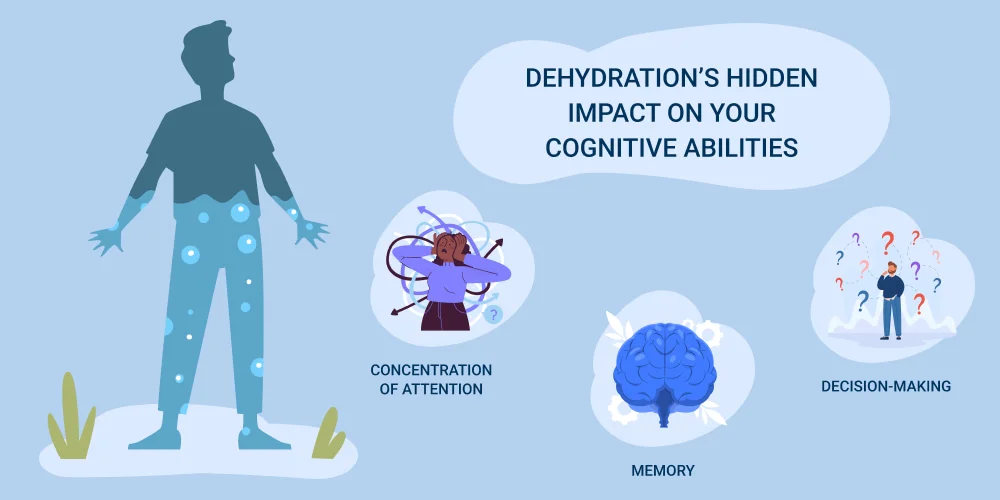
Hydration affects short-term and long-term memory. When fluid levels drop, the brain struggles to encode and retrieve information efficiently. This can lead to forgetfulness and difficulty recalling details, impacting daily activities and learning processes.
Attention Span and Focus
Being well-hydrated helps maintain alertness and concentration. Dehydration can cause mental fatigue, making it harder to focus on tasks or stay attentive during prolonged periods of work or study. Proper fluid intake supports sustained mental effort throughout the day.
Processing Speed and Problem-Solving
Cognitive tasks such as problem-solving and decision-making require quick thinking and clear reasoning. Adequate hydration ensures the brain functions optimally, enhancing processing speed. Dehydration may slow down thinking and reduce mental clarity, affecting overall performance.
Daily Hydration Strategies for Enhanced Mental Clarity
Recommended Water Intake for Cognitive Health
While individual needs vary, a general guideline suggests consuming enough fluids to keep the body hydrated without overconsumption. Drinking water consistently throughout the day supports cognitive processes and mental clarity. Ensuring hydration before mentally demanding tasks can improve performance.
Timing Your Hydration: When and How Much?
Spacing water intake evenly helps maintain stable hydration levels. Drinking fluids in small amounts frequently, especially before meals and breaks, is effective. Avoiding excessive intake all at once prevents discomfort and allows better absorption to benefit the brain.
Best Fluids Beyond Water: Hydrating Alternatives
While water is the best source for hydration, other beverages like herbal teas and infused water offer variety while contributing to fluid intake. Natural juices and coconut water can help replenish electrolytes, but sugary drinks and caffeine-heavy options should be consumed sparingly.
Common Signs of Dehydration Affecting the Mind
Early Warning Symptoms
Mild dehydration can manifest as headaches, difficulty concentrating, and irritability. These symptoms often go unnoticed but signal that the brain is not receiving enough water to function optimally. Recognizing these early signs helps prevent further cognitive decline.
Long-Term Effects on Cognitive Performance
Chronic dehydration may contribute to persistent mental fatigue and reduced cognitive abilities. Over time, this can impact memory, attention, and problem-solving skills. Maintaining proper hydration is essential to support mental resilience and overall well-being.
Scientific Studies Linking Hydration and Mental Performance
Key Research Findings
Studies have consistently shown a correlation between hydration status and cognitive functions. Research highlights improvements in memory, attention, and executive functions following adequate fluid intake. These findings emphasize hydration as a critical factor in daily mental performance.
Implications for Different Age Groups
Children, adults, and older adults experience varying effects from hydration levels. Young brains require consistent hydration for learning and development, while older adults may face greater risks of cognitive decline with dehydration. Tailoring hydration strategies to age-related needs can support optimal brain function.
Practical Tips to Maintain Optimal Hydration Throughout the Day
Incorporating Water into Your Routine
Making hydration a habit involves simple adjustments. Keeping a water bottle nearby, setting reminders, and pairing drinking with regular activities like meals or breaks help ensure consistent fluid intake. These small changes support sustained cognitive performance.
Using Technology and Apps to Track Hydration
Technology offers tools to monitor daily water consumption. Apps that track intake and provide reminders can encourage regular hydration, especially during busy schedules. Utilizing these aids helps maintain awareness and prevents unintentional dehydration.


